
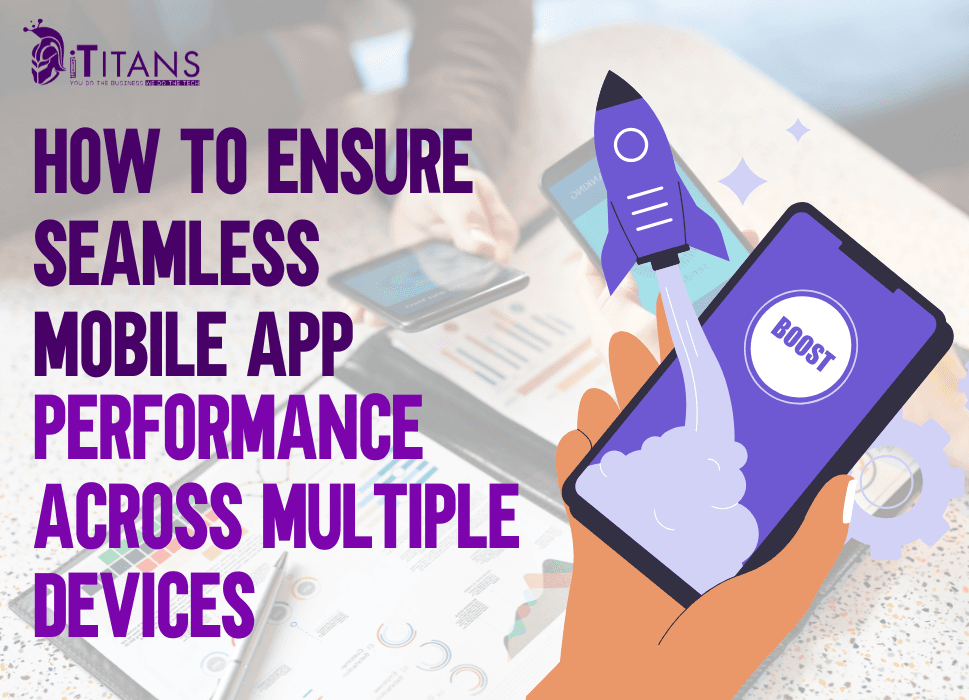
How to Ensure Seamless Mobile App Performance Across Multiple Devices
In today’s hyperconnected world, mobile apps must run flawlessly across a wide variety of devices such as smartphones, tablets, foldables, and even wearables. Users expect instantaneous responsiveness, smooth navigation, and consistent user experiences regardless of screen size or operating system.
According to Statista, as of 2024, there are over 6.9 billion smartphone users globally, with devices running on a fragmented spectrum of Android and iOS versions. This presents a massive challenge for developers and QA teams: ensuring consistent performance across a sea of hardware configurations, screen resolutions, and software environments.
Poor performance can lead to abandoned sessions, negative reviews, and lost revenue. App Annie reports that 68% of users will abandon an app if it crashes or lags, and over 50% expect apps to load in two seconds or less. For businesses aiming to scale globally or maintain brand loyalty, optimizing for cross-device compatibility is mission-critical.
In this article, we are going to dive deep into practical approaches, tools, methodologies, and expert services, like those provided by iTitans, to ensure mobile applications perform smoothly across multiple devices, delivering consistent, high-quality user experiences.
Understanding the Challenges of Cross-Platform Compatibility
Before diving into optimization techniques, it’s important to grasp the complexities of ensuring performance across diverse devices. Fragmentation is the biggest hurdle.
How Does it Works with Android?
On Android, thousands of device models from different manufacturers exist, each with its own hardware limitations, custom UI layers, and varied operating system versions. Apple’s ecosystem is more controlled but still experiences significant differences in screen sizes, chipset generations, and operating system capabilities between iPhones and iPads.
Further, network conditions, memory availability, and power management strategies differ from one device to another. For instance, low-end Android phones with just 2GB of RAM behave very differently than a flagship model with 12GB of RAM. Apps that aren’t designed to adapt will experience degraded performance, unresponsiveness, or even crash unexpectedly.

Adopting a Mobile-First, Device-Agnostic Design Philosophy
One of the most effective ways to prepare your app for success across devices is by embracing a mobile-first and device-agnostic design approach. This philosophy emphasizes adaptability at its core, focusing on delivering optimal user experiences on mobile as the baseline, and scaling up for larger screens rather than shrinking down from desktop-first designs.
Responsive and adaptive design elements should be incorporated during the UI/UX phase. This includes using flexible grids, proportional layouts, and scalable graphics. Tools like AutoLayout in iOS or ConstraintLayout in Android enable developers to create dynamic interfaces that respond to various screen resolutions and aspect ratios.
By investing in a modular and scalable design system, developers can reduce layout glitches and usability issues when the same codebase runs on different screen sizes.
Implementing Cross-Platform Development Frameworks
To streamline development and maintain consistent performance across devices, many companies are leveraging cross-platform frameworks such as Flutter, React Native, and Xamarin. These frameworks allow code reusability, faster updates, and a unified user experience without having to develop separate native applications for iOS and Android.
Flutter, backed by Google, is known for its high-performance rendering engine and pixel-perfect design capabilities. React Native, maintained by Meta, enables seamless integration with native components and boasts a massive community and plugin ecosystem. These frameworks are constantly optimized to reduce performance bottlenecks, memory leaks, and UI inconsistencies that typically arise in device fragmentation scenarios.
However, it’s essential to conduct regular benchmarking and performance profiling to ensure these benefits translate effectively across all targeted devices.
Utilizing Real Device Testing Over Emulators
Testing mobile apps in simulators or emulators can be useful during the development phase, but they don’t always mirror real-world usage accurately. Real devices account for actual network conditions, hardware limitations, background processes, and power consumption, all of which affect app performance.
Investing in real device testing, either through an in-house device lab or a cloud-based service like BrowserStack, Kobiton, or AWS Device Farm, allows QA teams to test the app in actual operating environments. This ensures greater accuracy in identifying bugs, latency issues, UI breakpoints, and security vulnerabilities.
For example, an app that performs well on the latest Samsung Galaxy may suffer on an older Motorola device running Android 10. Regular device-specific testing helps mitigate such inconsistencies.
Performance Monitoring and Analytics Integration
It’s crucial to implement performance monitoring tools that track app behavior post-deployment across different devices. Tools such as Firebase Performance Monitoring, New Relic, or AppDynamics provide real-time insights into metrics like app startup time, network request latency, frame rendering time, and error rates across devices and OS versions.
These analytics help identify performance outliers and device-specific degradation. Continuous monitoring also enables proactive maintenance, allowing developers to release targeted fixes before user complaints start flooding in.
Furthermore, segmenting analytics data by device model, OS version, and geographical location allows product teams to prioritize performance optimization for high-traffic platforms and regions.

Optimizing Code and Reducing App Size
Performance is directly influenced by the efficiency of the codebase and the overall size of the application. Bloated code, unnecessary third-party libraries, and high-resolution assets can all negatively impact app load times and responsiveness.
Techniques like lazy loading, code splitting, and minification help in delivering only the required resources based on the user’s device and interaction. Compressing image assets, using vector graphics (e.g., SVGs), and avoiding memory leaks through smart garbage collection strategies significantly enhance app fluidity.
Moreover, developers should profile CPU, GPU, and memory usage to identify areas of inefficiency using tools like Android Profiler and Instruments for iOS.
Supporting Offline Functionality and Variable Network Conditions
A major reason for app underperformance is poor handling of slow or unstable network connections. Users often interact with apps while commuting, traveling, or in areas with limited connectivity. To combat this, apps should implement robust caching strategies, graceful degradation, and offline functionality where applicable.
Using libraries like WorkManager (Android) and BackgroundTasks (iOS) ensures data sync and background operations continue seamlessly across different scenarios. Adaptive bitrate streaming and progressive loading of multimedia content also enhance performance under variable bandwidth conditions.
Automatic Device Adaptation Through Conditional Logic
Developers can build conditional logic into apps to optimize for device-specific configurations. For instance, feature sets can be dynamically adjusted based on available RAM, screen resolution, or OS version. A lightweight mode for low-end devices with minimal animation and background tasks can greatly improve user experience.
This approach ensures that all users get the best possible version of the app that their device can handle, rather than compromising the experience by offering a one-size-fits-all solution.
Tips to Supercharge Your Mobile App’s Performance
Mobile application development process plays a vital part in maintaining performance elements to surcharge the app’s performance. Yet, with millions of apps jostling for attention in the digital marketplace, performance becomes a defining factor.
If an app is slow, buggy, or unresponsive, users abandon it faster than you can say “update available.” Ensuring your mobile app delivers a smooth, fast, and seamless experience is no longer optional, it’s a survival tactic. Let’s dig into tried-and-tested techniques to supercharge your mobile app’s performance and keep your users coming back for more.
Prioritize Lightweight Code and Efficient Architecture
One of the foundational principles for optimizing mobile app performance is streamlining your code. Bulky, redundant, or poorly structured code results in increased app load times and heavier memory usage. It’s like putting together furniture with unnecessary parts, it’ll still stand, but it won’t be stable.
Start by refactoring code and removing anything redundant. Modular architecture not only makes your codebase cleaner but also improves maintainability and speed. Frameworks like MVVM (Model-View-ViewModel) or MVC (Model-View-Controller) can help you achieve this modularity efficiently. Additionally, leveraging modern tools such as Android’s Jetpack libraries or Apple’s SwiftUI can help streamline interface rendering, reducing load time and improving responsiveness.
Implement Lazy Loading and On-Demand Features
Have you ever noticed how some apps load content only when you scroll or tap? That’s lazy loading. Instead of front-loading all assets and resources, which slows everything down, only what’s essential at the time is rendered. This technique can drastically reduce startup times and memory consumption.
Let’s say your app displays user-generated videos. Instead of downloading all previews at once, load thumbnails first and fetch the videos only when the user taps them. This approach not only saves bandwidth but also enhances the perceived speed of your app.
Similarly, on-demand feature modules let users download only what they need. Google Play’s dynamic delivery is a great example, users don’t have to install the whole app upfront, reducing download sizes and improving install-to-use time.
Optimize Network Requests and Use Caching Smartly
Slow apps are often the result of poor network handling. While you can’t control the user’s internet speed, you can control how your app handles data. Always minimize and batch your network calls. Tools like Retrofit (for Android) and Alamofire (for iOS) allow you to structure requests cleanly and efficiently.
Moreover, implement robust caching strategies. Store frequent and static data locally to prevent repeated server hits. Use cache-control headers, ETags, or even offline databases like Room or Core Data. Not only does this cut down on load times, but it also improves user experience in low-network zones.
Another often-overlooked strategy is using background synchronization. Instead of fetching data during active sessions, sync in the background when the app is idle. This results in a snappier UI and better overall responsiveness.
Enhance Startup Speed with Splash Screens and Preloading
First impressions matter. A delay of even a couple of seconds during app startup can feel like an eternity to users. Use lightweight splash screens to buy time while your app gets ready. However, don’t misuse them as a mask for bad performance.
What you want is to preload only the essentials needed to get the first screen functional. Use placeholders and asynchronous rendering to populate content without freezing the UI. If you’re building a React Native or Flutter app, consider optimizing JavaScript or Dart bundle sizes and minimizing bridge calls that slow down rendering.
Minimize App Size for Faster Downloads and Updates
The larger your app, the longer it takes to download, install, and update, especially in markets with limited data or older devices. Users often uninstall apps that take up too much space. Therefore, keep your app lean and mean.
Start by shrinking your resources. Compress images, remove unused assets, and use vector graphics whenever possible. Use ProGuard or R8 (for Android) to strip out unused code and obfuscate your code for added security and smaller size. Also, split APKs or use Android App Bundles to serve device-specific builds, significantly reducing the download size.
Monitor Performance Continuously Using Analytics and Crash Reporting
Optimization is not a one-and-done deal. What works today might not be good enough tomorrow. Implement real-time monitoring tools like Firebase Performance Monitoring, New Relic, or Instabug to track lag, crashes, and errors.
Beyond performance, tools like Mixpanel or Amplitude give you insights into user behavior—where they tap, where they drop off, what they ignore. These metrics can inform you about underperforming features or overloaded processes. Also, don’t underestimate user reviews. If several users complain about slowness in a specific section, there’s likely a performance issue waiting to be fixed.
Go Native or Optimize Cross-Platform Performance
While cross-platform frameworks like React Native, Flutter, and Xamarin offer faster deployment, they may introduce performance bottlenecks if not managed properly. If speed is your highest priority—think games, financial tools, or real-time applications, native development is often the better route. However, if you must go cross-platform, make sure to:
· Minimize bridge usage between JavaScript/Dart and native components.
· Optimize component rendering using techniques like shouldComponentUpdate or widget keys.
· Keep third-party plugin usage minimal and only use well-maintained libraries.
Perform Device-Specific Testing
Not all users are on the latest iPhone or flagship Android device. In fact, many users operate on budget devices with limited RAM, storage, and older operating systems. What performs like a dream on your test phone might lag on theirs.
Use cloud-based device farms like AWS Device Farm or Firebase Test Lab to simulate performance on a wide array of devices. Ensure memory usage, CPU load, and thermal throttling are under control across various hardware configurations.
Boost Battery Efficiency
Performance isn’t just about speed. Apps that hog the battery are just as bad as those that lag. Optimize background processes, use job schedulers (like WorkManager or iOS Background Tasks), and avoid frequent wake-locks or GPS calls. Respect the user’s battery, apps that quietly drain power often face uninstalls or poor reviews.
Focus on UI Responsiveness and Smooth Animations
Animations should complement, not hinder, the user experience. If your animations lag or interrupt user input, they hurt performance perceptions. Make sure to use GPU-accelerated animations and test on lower-end devices. Pre-render elements where possible and avoid overdraw. For instance, don’t stack too many overlapping UI elements or use transparent backgrounds without reason.
Also, implement skeleton screens or shimmer effects to indicate loading, giving users the perception of speed even when backend calls are in progress. When it comes to mobile apps, performance isn’t a feature, it’s the lifeline. Fast, responsive, efficient, and stable apps don’t just attract users—they retain them. By embracing best practices like lazy loading, smart caching, modular architecture, and constant monitoring, you can ensure your app not only meets but exceeds user expectations.

How iTitans Ensures Seamless Mobile App Performance Across Devices
iTitans, a leading software development company, has established itself as a trusted partner for businesses seeking cutting-edge mobile solutions. Their approach to ensuring seamless mobile app performance across multiple devices is rooted in precision engineering, innovation, and deep industry expertise.
Performance Optimization
Performance optimization starts with user-centric design thinking. Their UX/UI team crafts adaptive interfaces that are responsive, intuitive, and visually consistent across screen sizes. With a keen eye on accessibility and usability, they ensure the app feels native and intuitive on every device.
Cross Platform App Development
Their development team specializes in cross-platform app development using Flutter and React Native, combining code efficiency with performance-focused engineering. They follow strict coding guidelines, perform detailed unit testing, and conduct frequent real-device testing across a diverse fleet of smartphones and tablets.
Fulfilling Deadlines With Automation
iTitans also integrates CI/CD pipelines with automated testing and performance checks to detect bottlenecks before reaching production. Through continuous performance monitoring and client-specific analytics dashboards, they help businesses track real-time app behavior and user engagement across device models.
Maintaining Seamless Performance Post-Launch
The journey doesn’t end at deployment. Ensuring seamless performance is an ongoing process that involves frequent updates, bug fixes, and feature enhancements. Developers must stay ahead of OS updates (like iOS 18 or Android 15), adapt to changing device capabilities, and address emerging performance challenges.
Feedback loops should be established via in-app surveys, support channels, and app store reviews. These provide actionable insights into performance gaps and user expectations. Frequent regression testing, especially after OS updates or device launches, keeps the app stable and competitive.
FAQs
Why is it important to ensure mobile app performance across multiple devices?
Ensuring seamless app performance across various devices guarantees a consistent user experience, which helps boost user satisfaction and retention. With the wide range of screen sizes, operating systems, and hardware capabilities, testing for performance on multiple devices ensures the app works well regardless of the user’s environment. It also helps prevent bugs, crashes, and poor user reviews.
What are the key challenges in maintaining performance across devices?
The main challenges include device fragmentation, differing screen resolutions, varying processor speeds, and diverse OS versions. Additionally, handling limited memory, battery constraints, and network fluctuations can complicate performance optimization. Developers must test thoroughly across these variables to maintain consistency and speed.
How can responsive design help with cross-device performance?
Responsive design ensures that the app interface adapts smoothly to different screen sizes and orientations. This prevents UI breakages and enhances usability on both small phones and large tablets. By using flexible layouts, scalable images, and adaptive content, responsive design improves visual coherence and performance across all devices.
What role does testing play in ensuring seamless performance?
Testing is critical to identifying and fixing performance bottlenecks on different devices. Real-device testing, emulators, and cloud-based testing platforms help developers understand how the app behaves across varying hardware and software environments. Continuous performance testing also ensures that new updates don’t introduce regressions.
Which tools can help optimize app performance on multiple devices?
Popular tools like Firebase Test Lab, BrowserStack, and Appium provide automated and manual testing on real devices. For performance monitoring, tools like New Relic, Instabug, and Crashlytics offer real-time analytics and crash reporting. These tools help pinpoint performance issues and guide developers in fine-tuning their apps.
How can developers manage memory and battery usage across devices?
To ensure efficient memory and battery usage, developers should use optimized code, reduce background processes, and limit heavy animations or unnecessary tasks. Using native performance profiling tools like Android Profiler or Xcode Instruments allows developers to monitor resource usage and adjust accordingly for better performance on all devices.
What is the importance of network optimization in mobile apps?
Network optimization helps reduce data usage, latency, and loading times, especially on slower connections. Implementing caching strategies, compressing data, and minimizing API calls enhance app responsiveness. This ensures that users on different network speeds enjoy smooth app interactions without delays or timeouts.
How often should mobile apps be updated for performance optimization?
Apps should be regularly updated to address performance issues, adapt to OS updates, and improve compatibility with new devices. Minor updates every 2–4 weeks and major ones quarterly can help maintain seamless performance. Regular updates also show users that the app is actively maintained, improving trust and engagement.
Conclusion
Delivering seamless mobile app performance across multiple devices is no small feat, but it’s essential in the competitive digital landscape. From real-device testing and adaptive design to cross-platform development and performance monitoring, success lies in the details.
As the mobile ecosystem continues to evolve, staying proactive with performance strategies will determine long-term user loyalty and market growth. Partnering with experts like iTitans ensures that your app not only works but excels on every device it touches, delighting users and driving sustained business success. Contact iTitans now and get free consultation on your mobile application.