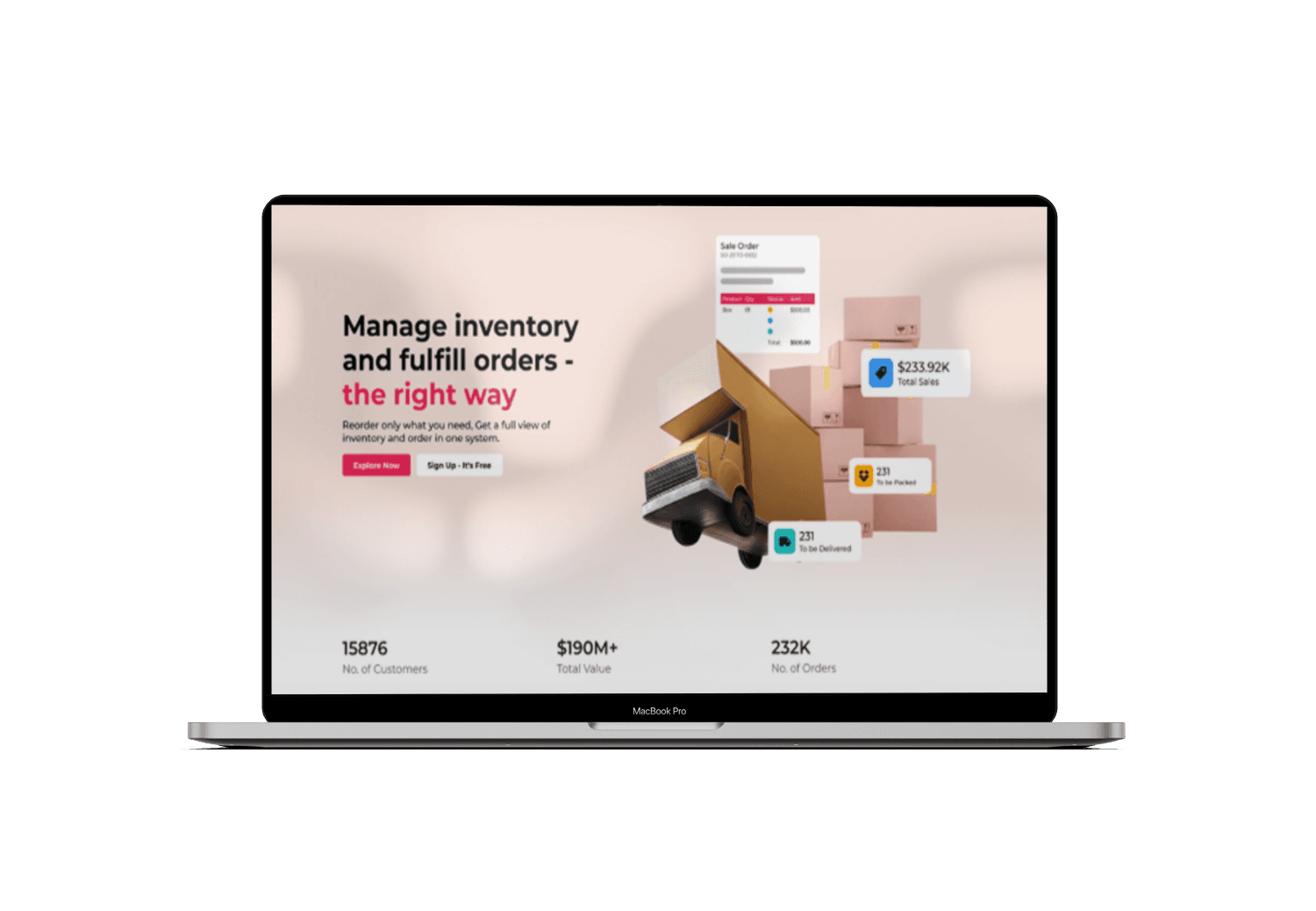
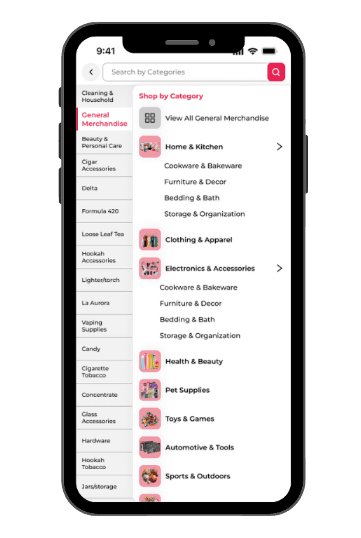
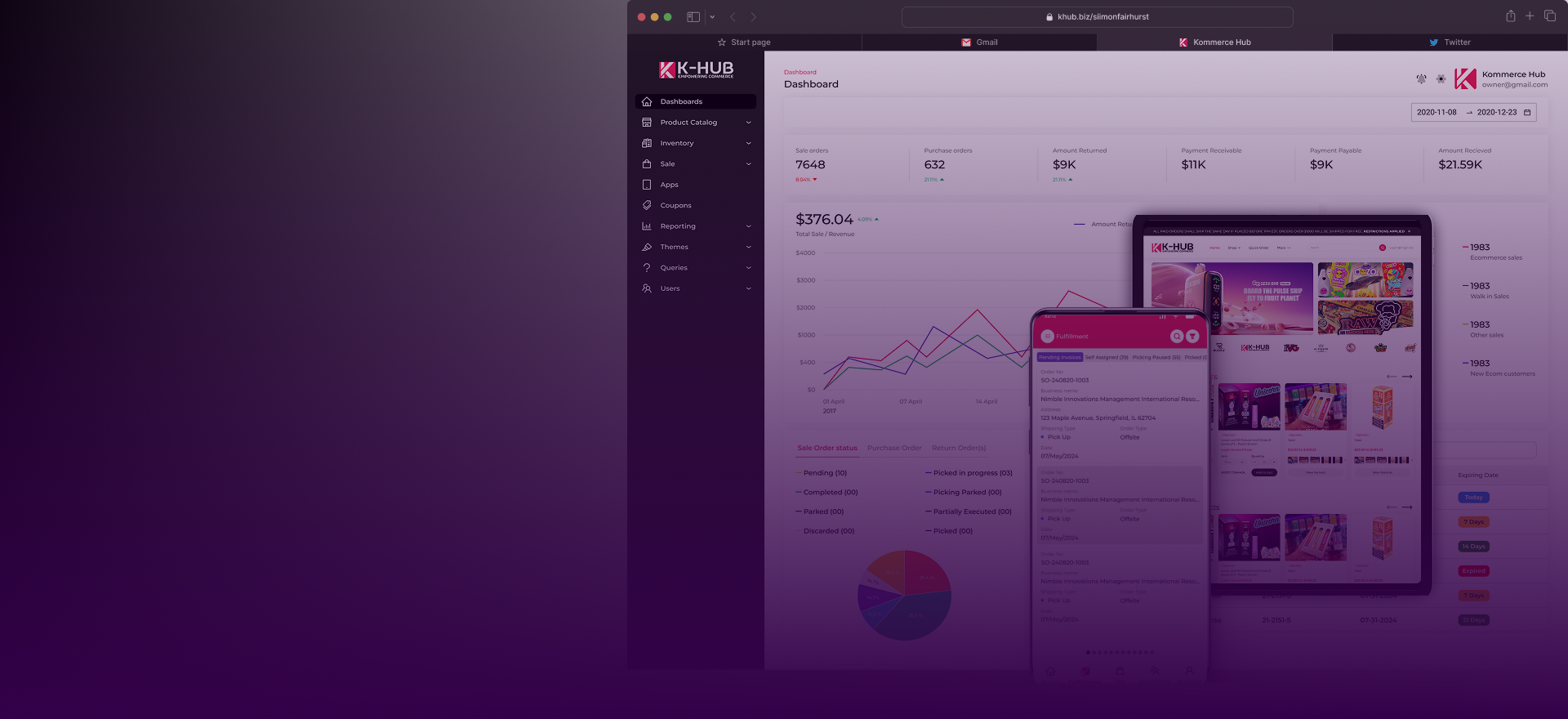
KHUB Hero Background Image

KHUB Case Study:
Warehouse Management & ERP System

Mobile AppWeb AppAdmin DashboardEcommerceDeliveryERPRetail

The Warehouse & ERP Management System we built is an all-in-one inventory management software and mini ERP system designed for wholesalers and distributors. It features a fully integrated ecosystem that streamlines payments, alongside a custom website builder, fulfillment app, and delivery app.

1. Project Overview

The Warehouse & ERP Management System we built is an all-in-one inventory management software and mini ERP system designed for wholesalers and distributors. It features a fully integrated ecosystem that streamlines payments, alongside a custom website builder, fulfillment app, and delivery app. These tools work together to optimize business operations, automate workflows, and efficiently manage inventory, sales, and deliveries, all within a seamless, user-friendly platform.

Primary Goals & Objectives:

Streamline Operations:

Integrate inventory management, order fulfillment, payment processing, and AI-powered automation into one cohesive platform, reducing manual tasks and improving workflow efficiency. AI is utilized for tasks like writing product descriptions, creating purchase orders, and generating data-backed business reports for faster decision-making.

Enhance Business Automation

Leverage AI to automate repetitive tasks such as description generation and purchase order creation, freeing up resources for more strategic activities while ensuring accuracy and consistency.

Improve Decision-Making:

Provide AI-driven business insights and reports that empower businesses to make data-informed decisions quickly, driving growth and operational efficiency.

Boost E-commerce Sales:

Offer an integrated e-commerce platform, enabling businesses to enhance their online presence, drive personalized customer experiences, and increase sales.

Support Growth and Scalability:

Enable businesses to easily scale their operations with tools that automate key processes, support multi-location management, and offer seamless integration across all platforms.

Customization and Flexibility:

Provide businesses with a customizable website builder and tailored tools, allowing them to adapt the platform to their specific needs and business models.

Target Users / Audience:

Wholesalers and distributors, particularly in the tobacco industry, who require integrated tools for inventory, sales, MSA compliance reporting, and complex taxation management. Our solution caters to businesses in states with complex tobacco tax regulations. Additionally, it is ideal for companies that heavily depend on online payments from their customers.

Client Pain Points Before Solution:

  • Multiple Systems: Businesses use different software for inventory, payments, and their website, leading to extra work. After receiving payment, they need to manually update the inventory in a separate system. Similarly, they have to update the website inventory manually, which can lead to errors and confusion, especially when sales or purchases are made.
  • Slow Decision-Making: Without real-time data and automated reports, businesses find it hard to make quick and informed decisions.
  • Tax and Compliance Issues: Businesses, especially in industries like tobacco, struggle to manage complex tax rules and compliance requirements, risking errors and fines.
  • Weak Online Presence: Many businesses don't have a strong e-commerce setup, limiting their ability to grow online and reach more customers.
  • No System at All: Some businesses weren't using any system before ERP and Warehouse Management System, relying on paper records or spreadsheets, making it hard to track sales, inventory, and payments efficiently. This led to mistakes, missed opportunities, and slow operations.

Why the Client Chose Us:

  • All-in-One Solution: ERP and Warehouse Management System combines inventory, payments, and website management in one platform, reducing the need for multiple systems and manual updates.
  • Automation and Efficiency: ERP and Warehouse Management System automates tasks, saving time and reducing errors.
  • Real-Time Insights: AI-driven reports help businesses make quick, data-informed decisions.
  • Simplified Compliance: ERP and Warehouse Management System makes managing taxes and MSA compliance easier.
  • Customizable and Scalable: ERP and Warehouse Management System adapts to the business's needs and grows with them.
  • Boosts Online Sales: ERP and Warehouse Management System enhances e-commerce capabilities, driving more sales.

2. Technologies & Tools Used

Frontend Technologies: React & Flutter

Backend Technologies: Python

Database: PostgreSQL

Infrastructure / DevOps

  • Hosting / Cloud Provider: AWS
  • CI/CD Tools: Github

Third-Party Integrations

  • APIs / Payment Gateways / Other Integrations:
    • GrailPay
    • NMI
    • Plaid
    • NetSuite
    • Quickbooks
    • ShipStation (coming soon)
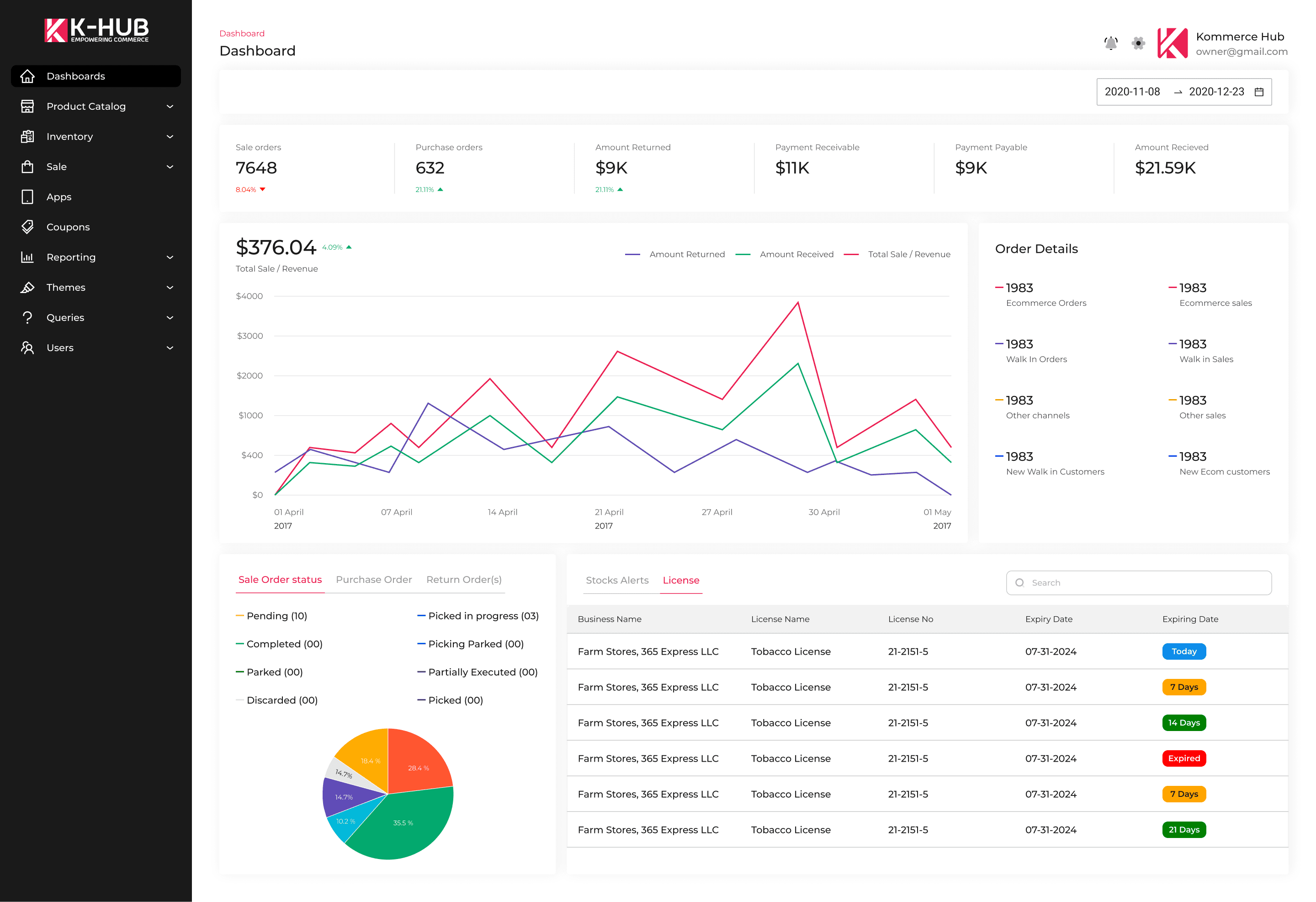
Technologies & Tools Used UI Preview

3. Platforms Included

  • Website: Yes
  • Mobile App: iOS & Android
  • Web Portal / Dashboard: Admin Panel, Vendor Portal, Customer Portal

4. Challenges and Solutions

Key Technical Challenges

  • System Integration: Ensuring smooth communication across multiple complex systems (inventory, payments, website) in a unified platform.
  • Scalability & Performance: Designing a system capable of handling high transaction volumes and large datasets without degradation in performance.
  • Real-Time Data Consistency: Synchronizing data across platforms in real-time to prevent discrepancies, especially in high-transaction environments.
  • Downtime Prevention & Proactive Monitoring: Minimizing the risk of server downtime and identifying performance issues before they affect users.

How We Solved Them

  • Seamless System Integration: We built a robust API ecosystem, ensuring smooth and reliable data exchange between inventory management, payment solutions, and the website, eliminating manual updates and minimizing errors.
  • Scalable Architecture: By using a microservices-based architecture hosted on AWS, we ensured the platform could scale seamlessly to handle high volumes of transactions and users without compromising performance.
  • Real-Time Synchronization: We implemented event-driven architecture and optimized database management, ensuring inventory and payment data are synchronized instantly across all systems, maintaining consistency and accuracy.
  • High Availability & Redundancy: Hosting the platform across multiple AWS regions ensured high availability and failover capabilities, preventing downtime and providing uninterrupted service.
  • Proactive Performance Monitoring: We developed real-time dashboards to track API performance and identify potential spikes, enabling us to address performance issues proactively before they affect system speed and user experience.

5. Key Features

Website Features

  • Customizable website builder for wholesalers and distributors.
Website Feature Preview
  • Integrated e-commerce storefront with automated inventory updates.
  • Online payment processing (GrailPay, NMI, Plaid).
  • Real-time product, pricing, and stock visibility synced with the inventory system.
Website Feature Preview

Mobile Applications

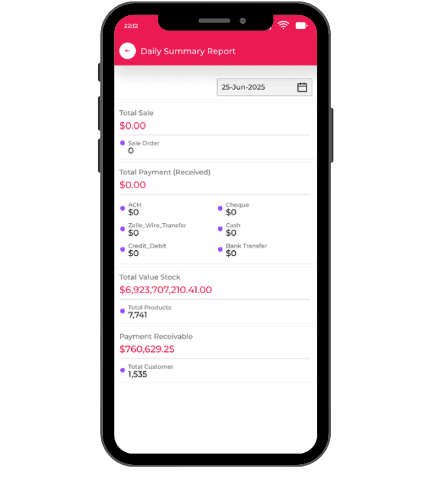
Fulfillment App

  • The fulfillment app is exclusively designed for managing picking, packing, and dispatch workflows.
Fulfillment App Preview

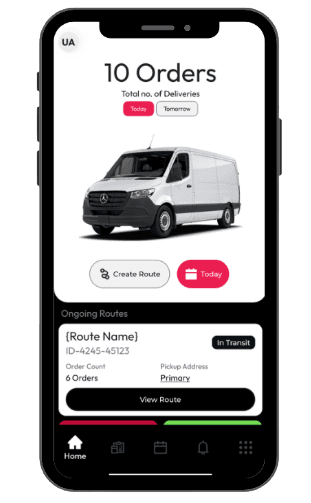
Delivery App

Our application makes it easier to track deliveries, routes, and proof-of-delivery.

  • Mobile order management with live status updates.
  • Real-time syncing with central inventory and payment systems.
Delivery App Preview

eCommerce App

We are one of the pioneers of providing an in-built eCommerce app under the B2B and B2C concept that is built into the same inventory software.

eCommerce App Preview
Web Portal and Dashboard Interface

Web Portal / Dashboard Features

  • Inventory management with real-time stock updates.
  • Automated purchase order generation via AI.
  • Business intelligence reports with AI-driven insights.
  • Taxation and MSA compliance reporting.
  • Dashboard monitoring for system performance and API health.

Unique Functionalities

  • AI-driven product description generator.
  • AI-based forecasting and automated purchase orders.
  • Event-driven architecture enabling instant data updates.
  • Multi-region AWS hosting for high availability and redundancy.
  • Proactive monitoring dashboards for API and system health.
  • Complex tobacco taxation compliance and reporting.
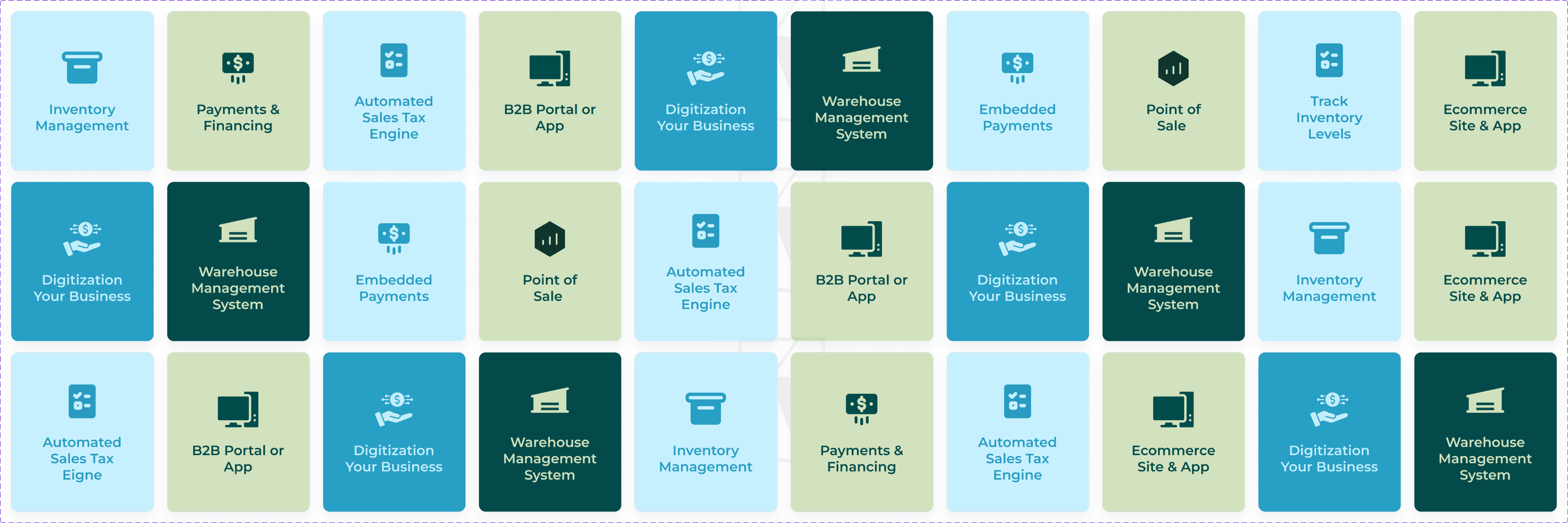
Platform Features Overview Grid

6. Phase Breakdown

Phase 1: Core EDP Development Version 1.0
(Completed, April 2024)

  • Inventory Management
  • Purchasing
  • Order Management
  • ECommerce Website
  • Fulfillment Mobile App
  • ECommerce Mobile App
  • Business Reporting
  • User Module
  • Quickbooks Integration

Phase 2: Supply Chain & Procurement Optimization Version 2.0
(Completed, February 2025)

Phase 2 is currently ongoing with a newer update that has been released for active users with the following new features:

  • AI-Powered Purchasing
  • Dedicated Site Builder
  • Tax Management
  • Products Variants
  • Customer & Product Groups
  • Promotions (Marketing)
  • Wallet & Loyalty Points
  • Accounting (bookkeeping)
  • NetSuite Integration
  • Credit/Debit Card Payments
  • ACH Payments

Outcome:

Within one year, we have made it scalable with large amount of data/users at the same time and achieved:

Unique Businesses onboarded
40KUnique Businesses onboarded
worth Invoices Processed
$1 Billionworth Invoices Processed
worth Online Orders Processed
$31 Millionworth Online Orders Processed
worth ACH Payments
$50 Million+worth ACH Payments
worth Credit Card Payments
$18 Million+worth Credit Card Payments

7. Real-Time Impact of ERP & Warehouse Management System

Area of ImprovementMeasurable Impact
Operational Efficiencyfaster order processing with a better analytic overview of inventory
ProcurementReal-time ERP integrations replacing spreadsheets and legacy systems.
Inventory AccuracyEliminated theft, improved 100% accuracy for
Sales PerformanceTriggered by personalized cataloging and role-based buyer journeys.
Customer EngagementImproved customer experiences and unified sales + CRM interactions.
Cost SavingsLess manpower and manual handling required to save up to 30% reduction
Financial VisibilityFinance teams now operate through centralized dashboards rather than batch reports.

8. Conclusion

The KHub POS redesign demonstrates how thoughtful UX strategy and operational clarity can transform a transactional system into a performance driving platform. By streamlining core workflows such as order processing, cash declaration, shift management, and inventory visibility, the experience reduces cognitive load for cashiers while increasing control and insight for managers. The interface balances speed and precision, ensuring that high volume retail environments can operate with confidence and minimal friction. Ultimately, the redesigned KHub POS is not just a point of sale system but a structured and scalable operational backbone built to support growth, accuracy, and seamless in store execution.