
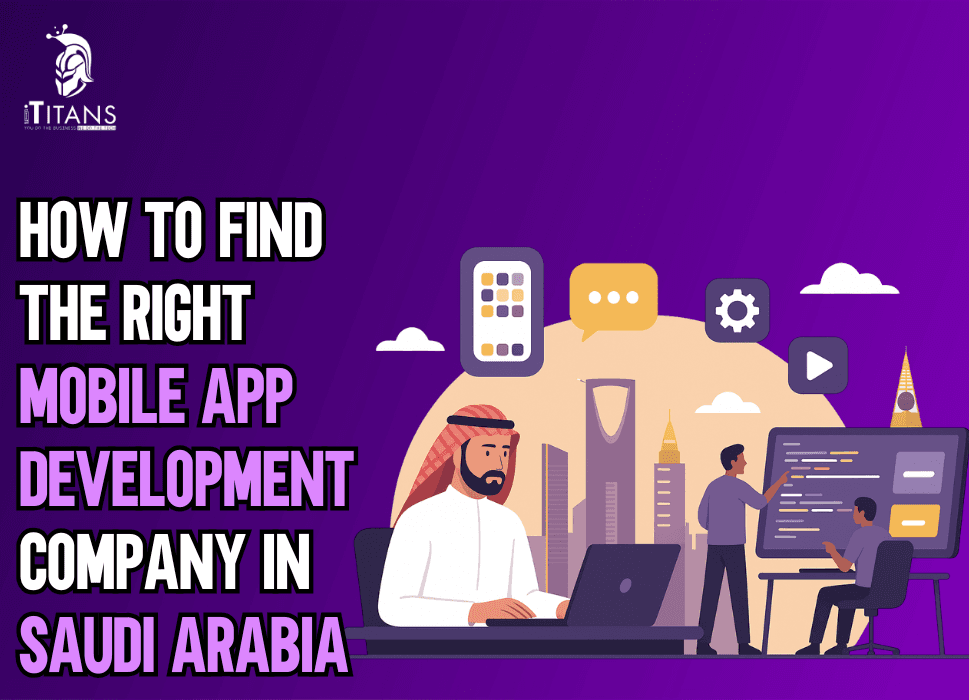
How To Find The Right Mobile App Development Company In Saudi Arabia
The mobile app industry in Saudi Arabia is booming. With the government’s Vision 2030 plan driving rapid digital transformation, businesses across every sector, from finance to e-commerce, healthcare, education, and entertainment, are investing heavily in mobile apps.
In 2025 alone, the Saudi mobile app market is projected to cross billions of SAR in revenue. This means more companies are entering the space, more users are downloading apps, and competition is tougher than ever.
In such a fast-moving environment, selecting the right mobile app development company in Saudi Arabia can decide whether your idea becomes a successful product or a costly experiment.
A poorly built app not only wastes money but can also damage your brand reputation. On the other hand, a skilled and experienced development team ensures your app is secure, user-friendly, scalable, and fully aligned with Saudi regulations and user expectations.
This guide walks you through every step of the process, including how to define your needs, evaluate vendors, ask the right questions, estimate costs, and avoid common pitfalls, so you can confidently hire the right partner.

Growing App Market in Saudi Arabia
Before diving into the evaluation process, it’s worth understanding why demand for app developers in the Kingdom is surging.
- Smartphone Penetration: Saudi Arabia ranks among the highest globally, with more than 95% of the population owning smartphones. This creates a huge base of potential app users.
- E-commerce & Digital Payments: The e-commerce sector in Saudi Arabia is growing at over 20% annually, and mobile payment adoption is rising quickly. Businesses that fail to adapt risk losing market share.
- Government Push: Vision 2030 emphasizes digital services, smart cities, and innovation. Ministries and government agencies are rolling out apps to improve citizen engagement.
- Startup Ecosystem: Riyadh and Jeddah are witnessing a wave of startups focusing on fintech, logistics, healthtech, and e-learning—all of which require robust mobile apps.
For businesses, this means the competition is not just about launching an app but ensuring that app stands out, performs reliably, and delivers value.
Define Your Needs Before Approaching Developers
One of the biggest mistakes companies make is rushing into conversations with vendors without clearly defining what they want. This leads to miscommunication, unrealistic cost estimates, and disappointing outcomes.
Here are steps to clarify your project needs:
- Define the purpose of your app: Is it for e-commerce, booking services, fintech, healthcare, or entertainment? Knowing this upfront helps you filter out agencies that lack relevant experience.
- Identify your audience: Saudi users expect apps that support Arabic language, have right-to-left layouts, and reflect local culture. If your app targets young professionals, it will require different features than one designed for government services.
- Decide on platforms: Will you need iOS, Android, or both? Should you consider native vs cross-platform app development in Saudi Arabia? Native apps usually perform better, but cross-platform may reduce costs and development time.
- Prioritize features: Make a list of essential features for your minimum viable product (MVP). Examples: login system, payment gateway, push notifications, GPS tracking, chat, or API integrations.
- Think about scalability: Do you expect thousands or millions of users? Your app architecture should support growth.
By clarifying these points, you not only gain clarity but also make discussions with any app developers in Riyadh or Jeddah more productive.
How to Evaluate Mobile App Development Companies in Saudi Arabia
Once your project needs are defined, the next step is shortlisting potential partners. The Saudi market has hundreds of agencies and freelancers offering mobile app services, but not all of them meet professional standards. Here’s how to evaluate your options:
1. Review Their Portfolio
A company’s past work speaks volumes. Check if they have developed apps similar to yours. For example, if you’re building a fintech app, see whether they have delivered secure payment applications in the Kingdom.
Look for case studies, live apps on the App Store or Google Play, and client testimonials. Many mobile app development firms in Saudi Arabia proudly showcase apps built for retail, government, and logistics, analyzing those will help you gauge quality.
2. Assess Their Technical Expertise
Ask about the technologies they use. Do they specialize in Flutter, React Native, Swift, or Kotlin? Can they build both iOS and Android apps efficiently? Understanding their technical stack helps you know if they’re capable of delivering modern, high-performing apps.
3. Check Industry Experience
Not every developer understands Saudi-specific needs. For example, payment integration in Saudi Arabia requires compatibility with Mada, Apple Pay, and STC Pay. Also, compliance with data hosting regulations is critical.
An experienced mobile app development company in Saudi Arabia should already know these requirements.
4. Evaluate Communication and Transparency
Clear communication is key. Does the company offer weekly updates? Do they use tools like Jira, Trello, or Slack for project management? Are they transparent about timelines and costs? A lack of clarity is often a red flag.
5. Ask About Support and Maintenance
Launching the app is just the first step. Mobile apps require updates for security patches, bug fixes, and OS upgrades. Ask about their mobile app maintenance cost in Saudi Arabia and what kind of post-launch support they provide.
Importance of Local Presence
Some businesses are tempted to outsource development entirely overseas, thinking it will save costs. While international developers can sometimes be cheaper, hiring locally offers unique benefits:
- Cultural Fit: Saudi users have specific design expectations, language requirements, and cultural sensitivities. A local company understands this better.
- Legal Compliance: Data regulations in the Kingdom require apps to follow specific rules about hosting and privacy. Local firms are more familiar with these laws.
- Proximity for Meetings: If your team is based in Riyadh or Jeddah, face-to-face meetings are easier with a local partner.
That said, hybrid approaches can work too. Some companies hire international developers for coding but depend on app development agencies in Riyadh for localization and compliance.
Cost and Timeline Expectations in Saudi Arabia
When businesses think about hiring a mobile app development company in Saudi Arabia, one of the first questions is always: How much will it cost? The truth is, there is no one-size-fits-all answer.
The price of app development depends on several variables, including complexity, features, platforms, design, and post-launch needs. Still, having a ballpark idea can help you plan your budget realistically.
Typical Cost Ranges
Based on industry insights and market averages, here’s how costs often break down in the Kingdom:
- Basic apps (simple booking apps, calculators, or directory-style apps): SAR 50,000 – 100,000
- Medium-complexity apps (e-commerce, multi-user platforms, delivery tracking): SAR 120,000 – 250,000
- High-complexity apps (fintech solutions, custom healthcare platforms, enterprise systems): SAR 300,000+
The cost also varies depending on whether you choose native vs cross-platform app development in Saudi Arabia. Native apps, built separately for iOS and Android, often cost more but deliver superior performance.
Cross-platform frameworks like Flutter and React Native can reduce development time and expense but may involve trade-offs for high-performance or highly customized apps.
Factors That Affect Cost
- Features and Integrations: Payment gateways (Mada, STC Pay), GPS, push notifications, chat systems, and APIs can increase the budget.
- Design Complexity: Saudi users expect polished apps with Arabic language support and right-to-left layouts, which adds design work.
- Scalability Requirements: Apps meant to handle millions of users will need more robust infrastructure and costlier setups.
- Maintenance Needs: The mobile app maintenance cost in Saudi Arabia can range from 15–25% of the original budget per year.
Timelines: How Long Does App Development Take?
Hiring app developers in Riyadh or Jeddah doesn’t just mean spending money—you also need to plan time.
- Simple apps: 2–4 months
- Medium apps: 5–8 months
- Complex enterprise-level apps: 9–15 months
These timelines include design, development, testing, and launch. Keep in mind that rushing the process often leads to mistakes and bugs. A trustworthy mobile app development company in Saudi Arabia will provide a realistic schedule and explain what each phase involves.

Questions to Ask Before Hiring
Before signing a contract, you should have a list of pointed questions ready. These not only reveal the company’s expertise but also show how transparent they are. Here are some important ones:
- Have you built apps similar to mine before?
Look for real-world examples and client feedback.
- Which technologies do you use?
Ensure they can explain the pros and cons of Flutter, React Native, or native development for your specific needs.
- How do you handle testing and quality assurance?
Bugs can sink an app quickly. Ask about testing methods, devices used, and bug-tracking systems.
- What is included in your pricing?
Does the quote cover only development, or also design, testing, deployment, and maintenance?
- How will we communicate during the project?
Weekly updates and clear project management tools are essential.
- Who owns the source code?
Make sure you, not the developer, retain ownership after payment.
- What happens after the app goes live?
Ask about support and updates, as well as the cost of long-term maintenance.
By asking these questions, you’ll quickly filter out unqualified or inexperienced companies and narrow down to the ones that can truly deliver.
Choosing the Right Technology Stack
A critical decision in app development is choosing the right technology. Your choice will impact performance, scalability, and costs. A good mobile app development company in Saudi Arabia should guide you through these options:
Native Development
- Languages: Swift (iOS), Kotlin/Java (Android)
- Pros: Best performance, full access to device features, smoother UI/UX
- Cons: Higher cost and longer development since two versions must be built
Cross-Platform Development
- Frameworks: Flutter, React Native
- Pros: Single codebase for both iOS and Android, faster development, reduced costs
- Cons: Slightly reduced performance compared to native, limited for very complex apps
Hybrid Apps
- Built with: Web technologies like HTML, CSS, JavaScript, wrapped in a native shell
- Pros: Quick to develop, cost-effective
- Cons: Not ideal for heavy-performance apps, user experience can suffer
If you’re launching a startup and want to test your idea quickly, cross-platform can be a smart choice. But for enterprise-level or performance-heavy apps (e.g., banking or gaming), native development may be worth the investment.
Why Industry-Specific Experience Matters
Different industries in Saudi Arabia come with unique requirements. For instance:
- Fintech apps must comply with Saudi Central Bank (SAMA) regulations, support secure transactions, and integrate with local payment systems.
- Healthcare apps may need to meet privacy and data protection laws specific to patient data.
- E-commerce apps require integration with Mada, Apple Pay, and logistics APIs.
- Government service apps must align with Vision 2030’s focus on digitization and accessibility for all citizens.
A company with proven experience in your industry will already understand these needs and avoid costly mistakes. That’s why many businesses prefer best app development companies in KSA that specialize in their sector rather than generalists.
Red Flags When Hiring
Just as important as knowing what to look for is recognizing warning signs:
- Unclear Contracts: If a company avoids defining deliverables, costs, or timelines in writing, that’s a problem.
- No Local References: A lack of clients in Saudi Arabia may mean they’re unfamiliar with local market needs.
- Too Many Promises: Be wary of companies that guarantee results without explaining how they’ll achieve them.
- Hidden Costs: Always ask what isn’t included in the estimate.
These red flags can save you from making a costly mistake when choosing among mobile app development firms in Saudi Arabia.
Local vs Overseas Development: Which to Choose?
Some Saudi businesses consider outsourcing to India, Eastern Europe, or other regions to cut costs. While this can sometimes work, there are trade-offs:
- Pros of Overseas Development: Lower hourly rates, larger talent pool
- Cons: Time zone differences, cultural mismatch, lack of understanding of Saudi regulations, language barriers
In contrast, hiring professional app developers in Riyadh or Jeddah ensures cultural and legal alignment, easier communication, and better long-term support. For critical apps—especially fintech, healthcare, or government-related—it’s usually safer to stick with local expertise.
Step-by-Step Guide To Choosing The Best Company
Now that you know what factors matter, let’s put everything into a step-by-step process you can actually follow. This checklist will help you shortlist and finalize the right mobile app development company in Saudi Arabia without feeling lost.
1. Define Your Business Needs Clearly
Write down what kind of app you need. Is it for iOS, Android, or both? Do you want a customer-facing app, an e-commerce platform, or an internal management tool? The clearer your requirements, the easier it will be to evaluate a company.
Example: If you’re a Riyadh-based retail business, your need might be an app with online payment integration, Arabic/English language support, and a smooth delivery tracking system.
2. Research Companies Online
Use Google searches like:
- “best mobile app development company in Saudi Arabia”
- “mobile app developers in Riyadh”
- “custom app development Saudi Arabia”
Go through company websites, portfolios, and client reviews. Compare services, case studies, and pricing models.
3. Shortlist Based on Portfolio
Look for apps they’ve already built. If you find apps from industries similar to yours, that’s a plus. For instance, a company that has developed healthcare apps will understand compliance and security if you’re in the medical field.
4. Check Client Testimonials and Ratings
Websites like Clutch, GoodFirms, and Google Reviews can give you authentic feedback. Don’t just rely on testimonials posted on their site—external reviews are harder to manipulate.
5. Conduct Interviews
Schedule a consultation call with shortlisted companies. Ask them:
- How do they handle UI/UX design for local Saudi users?
- What’s their approach to app maintenance after launch?
- Do they provide cost breakdowns upfront?
This stage will tell you how responsive, transparent, and knowledgeable they are.
6. Compare Costs and Contracts
Ask for detailed proposals that include development timelines, features, and support. Compare not just price but also what’s included. A slightly higher upfront cost may save you from hidden expenses later.
7. Test Their Communication
Good communication is a non-negotiable. If they take days to respond during the sales process, imagine how frustrating it will be once you’re mid-project.
Common Mistakes to Avoid
Even with all the research, many businesses fall into traps when choosing a mobile app development company in Saudi Arabia. Here are mistakes you should avoid:
- Going for the cheapest option: Low prices often mean poor quality or hidden costs later.
- Ignoring cultural and language needs: Apps in Saudi Arabia must often support Arabic language and local payment methods.
- Not checking scalability: Your app may need to handle thousands of users later. Make sure the company can build scalable solutions.
- Skipping after-launch support: Maintenance is just as important as development.
- Not checking ownership rights: Ensure the source code and app ownership stay with you after completion.
Why Saudi Arabia Is a Great Place for App Development
Choosing a local mobile app development company in Saudi Arabia comes with unique advantages:
- Understanding of the market: Local companies know how Saudi users behave online.
- Compliance with local regulations: Especially for e-commerce, finance, and healthcare apps.
- Easier communication: Similar time zones and in-person meetings if required.
- Integration with local services: Payment gateways like STC Pay or Mada can be smoothly added.
Saudi Arabia is also experiencing rapid digital adoption, especially under Vision 2030, where mobile apps are becoming essential for businesses. Partnering with a company that’s part of this growth ensures your app stays relevant.
Future Trends in Mobile App Development in Saudi Arabia
Before making your final decision, it’s useful to know where the industry is headed. Leading mobile app development companies in Saudi Arabia are already working with:
- AI-driven apps: Chatbots, recommendations, and smart assistants.
- E-commerce & m-commerce apps: With secure mobile payments and delivery tracking.
- Fintech apps: Digital wallets, investment tools, and micro-financing platforms.
- Healthcare apps: Telemedicine, appointment scheduling, and health monitoring.
- Smart city apps: Helping citizens navigate government services and utilities.
When choosing a partner, ask if they’re updated with these trends. This ensures your app isn’t outdated as soon as it’s launched.
7 Final Checklist Before You Decide
When finalizing your decision, use this quick checklist to vet the commitment, expertise, and future reliability of your potential app development partner:
- Proven Industry Experience: They have demonstrable and successful experience with projects in your specific industry or niche.
- Full IP Ownership: They legally guarantee and transfer 100% of the app’s source code and intellectual property (IP) to you.
- Saudi Market Fluency: They exhibit a clear, deep understanding of local consumer behavior, language, and regulatory needs.
- Realistic & Competitive Pricing: Their quote is detailed, competitive, but also grounded in a realistic scope of work without hidden fees.
- High-Fidelity Portfolio: Their past work and technical portfolio meet or exceed your quality and complexity expectations.
- Transparent Communication: They commit to clear, proactive, and accessible communication throughout the development process.
Guaranteed Post-Launch Support: They offer a structured, defined plan for essential maintenance, updates, and bug fixes after the launch.
If a company ticks all these boxes, you’re on the right track.

Ready to Build Your App in KSA?
Turn your vision into a profitable business asset with the top mobile app experts at ITitans.
Frequently Asked Questions (FAQs)
How much does it cost to hire a mobile app development company in Saudi Arabia?
The cost depends on the complexity of your app. A simple app may start around SAR 30,000–50,000, while advanced apps with custom features can cost SAR 150,000 or more.
How long does it take to develop a mobile app in Saudi Arabia?
Most apps take between 3 to 6 months. Complex apps with integrations or custom designs may take up to 12 months.
What should I look for in a mobile app development company?
Check their portfolio, client reviews, communication style, and whether they offer post-launch support and app maintenance.
Can Saudi-based companies build apps for international markets?
Yes, many Saudi development firms create apps for both local and global audiences, with multi-language and multi-currency support.
Is it better to hire a local Saudi app development company or outsource abroad?
Hiring locally ensures better communication, compliance with regulations, and cultural understanding, while outsourcing abroad may sometimes reduce costs.
Do Saudi app development companies also handle app design?
Yes, most provide full services including UI/UX design, development, testing, and ongoing updates.
What industries in Saudi Arabia need mobile apps the most?
E-commerce, fintech, healthcare, logistics, and retail businesses are leading sectors where apps are in high demand.