
Questions to Ask Before Hiring a Mobile App Developer in Dubai
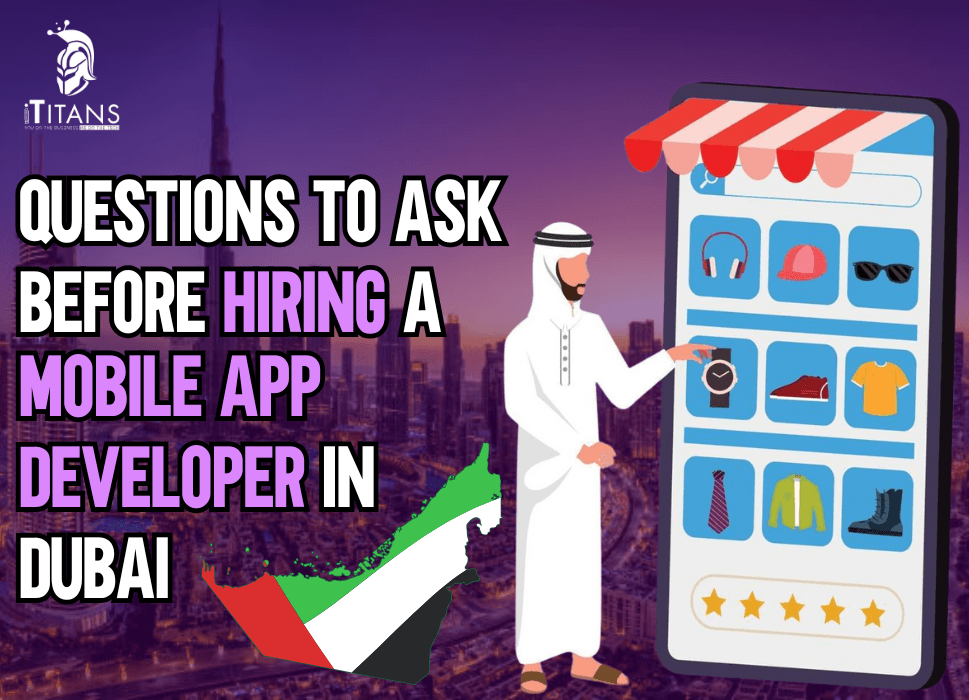
Dubai has rapidly emerged as one of the most dynamic tech hubs in the Middle East. As businesses race to build captivating mobile applications for iOS and Android, choosing the right mobile app developer is a decision that can make or break your digital product.
According to industry estimates, demand for mobile app development services continues to surge globally, with apps projected to generate over US$935 billion in revenue by 2027 through in-app purchases and subscriptions alone.
Dubai’s strategic location, business-friendly environment, and growth in industries such as fintech, eCommerce, logistics, and healthcare make it an ideal market for investing in mobile app experiences.
However, finding the right partner in this bustling metropolitan ecosystem isn’t simple. From technical expertise and project management style to communication and long-term support, there are many factors to consider when hiring a developer or team.
This article outlines key questions you must ask, what to look for in responses, and highlights reputable mobile app development companies in Dubai with insights into their locations, strengths, and ratings to help guide your decision.
Why Asking the Right Questions Matters
Mobile apps are more than just pieces of software. They represent your brand in users’ hands, drive engagement, and often act as the backbone of your digital business model. Whether you’re building a native iOS app, an Android application, or a cross-platform product using Flutter or React Native, the quality of development will impact performance, scalability, and user experience.
Asking the right questions helps you understand:
- Technical fit: Does the developer use appropriate technologies for your project?
- Team competency: Do they have experience with apps similar to yours?
- Process and timeline: How will they manage the project from idea to launch?
- Communication: How transparent and responsive is their team?
- Support and maintenance: What happens after launch?
Without these insights, you risk partnering with a team that may deliver on time but fail to meet long-term requirements or scale with your business.

Fundamental Questions to Ask About Expertise
What Platforms Do You Specialize In?
Start by understanding whether the developer focuses on native platforms (Swift for iOS, Kotlin for Android) or cross-platform frameworks like Flutter or React Native. Each has different benefits:
- Native development: Best for high performance and deep OS integration.
- Cross-platform: Usually more cost-effective and faster for simultaneous launches on multiple platforms.
A strong developer should explain the pros and cons of each in clear, simple language based on your project goals.
Can You Share Examples of Past Mobile Apps?
A portfolio is one of the clearest indicators of capability. Ask to see relevant apps they’ve built and:
- Check functionality and design quality.
- Look for links to live apps on Apple App Store or Google Play.
- Read user reviews if available.
This showcases not just technical skill but also design sense and overall product quality.
Questions About Project Management and Workflow
How Do You Manage Development Projects?
Understanding a developer’s workflow helps you gauge predictability and collaboration style. Look for discussions around:
- Agile methodologies or sprint cycles.
- Milestone tracking.
- Regular update routines.
- Tools used (like Trello, Jira, or Slack).
Good project management ensures transparency, proactive risk management, and timely delivery.
What Does Your Testing and Quality Assurance Process Look Like?
Quality assurance (QA) is crucial. Ask:
- How do they test for bugs or issues?
- Do they handle device-specific testing across iOS and Android?
- Do they automate parts of testing?
A strong QA practice reduces costly revisions post-launch.
Questions About Support After Deployment
Do You Offer Maintenance and Updates?
The app ecosystem evolves quickly, with frequent OS updates from Apple and Google. Your developer should offer:
- Ongoing app maintenance packages.
- Support for updates after OS changes.
- Scalability planning for future versions.
If the developer only completes the build and disappears, you may struggle when the need for updates arises.
How Do You Handle App Store Submission?
Publishing an app involves more than technical development. Ask whether they help with:
- App Store and Google Play submission procedures.
- Graphics, descriptions, and metadata requirements.
- Handling review feedback and rejections.
Developers experienced with UAE and global markets will reduce friction in going live.
Questions About Cost, Contracts and Timeline
What Is Your Pricing Model?
Clarity around cost is essential. Common models include:
- Fixed price: Good for well-defined projects.
- Hourly billing: Best for evolving requirements.
- Dedicated teams: Ideal when long-term collaboration is needed.
Make sure to ask whether prices include design, testing, deployment, and maintenance.
What Is Your Estimated Timeline?
Requesting a timeline helps you align business milestones. A reputable developer should:
- Provide realistic estimates.
- Allow for UX design, development, testing, and launch phases.
- Explain contingencies for delays.
Remember, rushed apps often lead to compromised quality.
Evaluating Company Reputation: Ratings and Reviews
Online platforms like Clutch, GoodFirms, and MobileAppDaily aggregate reviews from real clients. While ratings aren’t the only measure, they offer useful insights into client satisfaction and consistency of delivery. Always check:
- Average star ratings (e.g., 4.5/5 or higher is strong).
- Number of reviews (more reviews = more reliable signal).
- Written feedback for specifics on project experience.

How to Manage Cost and Risk in Mobile App Development Hiring
Understanding Actual Development Costs Before You Hire
Before you even start interviewing developers, it’s vital to understand what you’re likely to pay. Mobile app development isn’t cheap. For example: simple apps might be under $20,000 but complex ones can easily go much higher.
The cost you’ll encounter depends on who you hire (freelancer, local Dubai agency, or offshore team), their experience, and the type of app you want. In 2025-2026, typical hourly rates for developers range from about $20/hr for junior developers to over $200/hr for highly specialized experts such as those working with AR, AI, or fintech features.
So ask your potential hire early on:
- What is your hourly rate? How does this differ by developer level (junior, mid, senior)?
- Do you offer fixed-cost packages as well, or is it purely time & materials billing?
This sets clear cost expectations upfront and ensures you don’t get surprised later.
Defining Project Scope to Control Budget Blowouts
One of the biggest reasons mobile app projects go over budget is unclear or shifting scope. If you’ve ever worked on a software project before, you know how easily “just one more feature” can turn into “unexpected costs”. About 70% of software projects don’t meet original expectations because the scope creeps or changes.
Ask your developer:
- Can you help refine this project scope and break down the costs per feature?
- What happens if we decide to add features later? How will that impact cost and timeline?
Good developers will push back on vague requirements and help you prioritize features into must-have vs nice-to-have, which is one of the smartest ways to manage costs.
Choosing the Right Developer Location to Balance Cost and Quality
Where your developer is based matters a lot. Hiring locally in Dubai might give you closer communication and cultural alignment, but developers in markets like South Asia or Eastern Europe usually charge significantly less while still delivering quality work.
For example, in 2025:
- Eastern Europe developers often charge $40–$80/hr
- South Asian teams fall around $20–$50/hr
- Western markets often start $70–$150/hr or more
Ask this early:
- Where will the development team be located?
- If they are offshore, how will communication and time zone differences be handled?
If the hire suggests offshore work without a plan for coordination or clear milestones, that’s a red flag. Remote work can save money but increase risk if not managed well.
Security and Quality Assurance: Non-Negotiable Risk Areas
Many teams underestimate how much security and QA affect both cost and risk. In fact, a recent report found that while 93% of teams believe their apps are secure, 62% still experienced breaches last year showing how easy it is to be overconfident and under-prepared.
This isn’t just technical jargon such as breaches can cost money, damage your brand, and scare off users. That’s why you should ask:
- What kind of security testing do you include?
- Do you do automated testing across devices? How many devices and OS versions will you cover?
- Will you help with regulatory compliance if needed (like data protection rules)?
Top developers don’t treat QA as an optional extra. They build it into planning, budgeting 15-20% of total costs into comprehensive testing.
Maintenance and Support: Planning for the Long Game
A mobile app isn’t a “one-and-done” product. After launch, you need maintenance: bug fixing, updates for new phone models and OS versions, server updates, and feature improvements. In 2025, annual maintenance alone typically runs 15-25% of the initial development budget.
So don’t forget to ask:
- What is your maintenance and support policy after launch?
- Do you offer SLA (service level agreements)? What are response times for critical bugs?
- Is ongoing support included in the initial cost, or separate?
Getting a cheap development quote only to find out support costs double later is a classic mistake — and totally avoidable with the right questions.
Timeline Realism: Cost vs Speed Trade-Offs
If you demand lightning-fast delivery, you can absolutely get it but it usually costs more. Ask any experienced developer and they’ll tell you that tightening deadlines often means extra resources (more developers) and higher rates.
Make sure to ask:
- What realistic timeline do you expect for my project?
- What happens if we need to rush? How does that change cost or team size?
The honest developers will give you trade-offs: “We can do faster delivery but this is the cost.” That kind of transparency is critical for managing both budget and risk.
Testing the Developer’s Track Record and Reliability
Finally, one of the best ways to manage risk is to know who you’re actually hiring. A portfolio is good references are better. Someone can post screenshots, but a past client can tell you how the developer communicates, meets deadlines, and handles problems.
Ask for:
- Examples of similar apps they have delivered
- References you can contact
- Any analytics or live apps you can explore
That helps you judge not just what they built, but how well they built it. Unreliable developers might be cheaper on paper but can cost you far more in delays, rework, or app failures.
Smart Hiring Saves Money and Heartache
Managing cost and risk when hiring a mobile app developer isn’t just about finding the lowest price. It’s about:
- Understanding the real market cost and what influences it
- Defining scope clearly so estimates are accurate
- Choosing the right mix of location and expertise
- Prioritizing security and quality
- Planning for support beyond launch
- Setting realistic timelines with cost implications
As you prepare to hire a mobile app developer in Dubai, use these points to ask sharper questions, set better expectations, and ensure your investment delivers real value.

How iTitans Serves the Best for Mobile App Development Needs
iTitans is a global tech services company headquartered in the United States, with a strong reach that supports businesses worldwide, including those looking to build mobile applications for international or Dubai-based audiences. While not headquartered in Dubai, iTitans brings a wide range of digital services ideal for companies that want a full-spectrum development and growth partner.
iTitans’ Core Expertise
iTitans offers a comprehensive suite of services that align well with mobile app projects:
- Mobile App Development: From concept to deployment on iOS and Android.
- UI/UX Designing: Crafting engaging interfaces that enhance user experience.
- Software Development: Backend systems, APIs, and integrations to support scalable apps.
- Website Development: Complementary web presence that aligns with app touch points.
- MVP Development: Prototyping and early product builds to validate concepts.
- Digital Marketing (SEO & Social): Supporting app visibility and user acquisition.
- Staff Augmentation: Providing skilled professionals to augment existing teams.
- Digital Transformation Advisory: Strategic consulting to align technology with business goals.
How iTitans Stands Out for Mobile App Development in Dubai
For companies in Dubai seeking an external technology partner with a global delivery model, iTitans’ comprehensive services make them suitable for:
- Businesses needing not just app building but also growth strategies.
- Projects requiring SEO, digital marketing, and post-launch engagement.
- Teams seeking long-term support including maintenance and scaling.
- Startups in need of MVP development to test ideas before full investments.
By leveraging iTitans’ full-stack expertise, Dubai businesses can ensure cohesive development across multiple digital channels while benefiting from experienced resources and structured development processes.
What to Look for in Responses from Developers
When evaluating answers to your questions, consider these points:
- Clarity: Do they explain technical terms in simple language?
- Transparency: Clear timelines, pricing breakdowns, and deliverables.
- Confidence backed by evidence: Case studies, references, portfolios.
- Process maturity: Demonstrates structured planning and testing.
- Post-launch support approach: Regular updates and maintenance commitments.
Your goal is not just to find a developer but a trusted partner who understands your vision and can translate it into a robust digital product.
Choosing a mobile app developer in Dubai is a significant strategic decision. With a range of talented companies offering native and cross-platform mobile development, advanced features like AI integrations, and regional market experience, asking thoughtful questions will help you separate reliable partners from those that merely promise results.
Asking the right questions about platform expertise, project management, testing practices, post-launch support, pricing, and timeline transparency are critical steps in your selection process. When you combine these questions with reputation checks via ratings and reviews, and consider both local companies and global partners like iTitans, you’re more likely to find a development partner who aligns with your business vision and delivers a successful app.
Why settle for less when you can get quality services in mobile app development in Dubai? Share your requirements with iTitans today and let us help you build responsive, progressive, and scalable mobile applications.
FAQs
What does a mobile app developer in Dubai do?
A mobile app developer in Dubai designs, develops, tests, and maintains mobile applications for Android and iOS platforms. They work with businesses across industries such as fintech, real estate, healthcare, and e-commerce. These professionals focus on user experience, performance, and security. Many also provide post-launch support and app optimization services.
Why should You hire a mobile app developer in Dubai?
Hiring a mobile app developer in Dubai gives you access to global talent with strong technical expertise and business awareness. Dubai developers are experienced in building scalable apps for both local and international markets. They understand regional regulations, multilingual needs, and cultural preferences. This ensures your app aligns with market expectations and user behavior.
How much does it cost to hire a mobile app developer in Dubai?
The cost of hiring a mobile app developer in Dubai depends on app complexity, features, and development time. Simple apps may cost less, while advanced apps with AI, IoT, or blockchain features are more expensive. Pricing also varies between freelancers and development agencies. Most developers offer flexible pricing models such as hourly or fixed-cost projects.
What types of apps can a mobile app developer in Dubai build?
A mobile app developer in Dubai can build a wide range of apps, including e-commerce, on-demand services, fintech, healthcare, and enterprise solutions. They develop native, hybrid, and cross-platform applications. Many also specialize in emerging technologies like AI-powered apps and smart city solutions. Customization is usually tailored to business goals.
Do mobile app developers in Dubai provide post-launch support?
Yes, most mobile app developers in Dubai offer post-launch support and maintenance services. This includes bug fixes, performance optimization, security updates, and feature enhancements. Ongoing support ensures the app remains compatible with new OS versions. It also helps improve user engagement and long-term app success.
How long does it take to develop a mobile app in Dubai?
The development timeline depends on the app’s scope, features, and design complexity. A basic app may take 2–3 months, while complex apps can take 6 months or longer. Mobile app developers in Dubai follow structured development processes to meet deadlines. Regular communication helps keep the project on track.
What technologies do mobile app developers in Dubai use?
Mobile app developers in Dubai use modern technologies such as Swift, Kotlin, Flutter, React Native, and Java. They also integrate cloud services, APIs, and databases for scalability. Advanced apps may include AI, machine learning, or blockchain technologies. The choice of technology depends on the app’s purpose and target audience.
Can a mobile app developer in Dubai help with app store deployment?
Yes, a mobile app developer in Dubai typically assists with app store submission and deployment. This includes preparing the app for Google Play and Apple App Store guidelines. They handle app optimization, screenshots, and descriptions. This ensures a smooth approval process and better visibility in app stores.
How do I choose the right mobile app developer in Dubai?
To choose the right mobile app developer in Dubai, review their portfolio, client testimonials, and technical expertise. Look for experience in your industry and familiarity with modern technologies. Clear communication and transparent pricing are also important. A reliable developer will understand your business goals and offer strategic guidance.
Are mobile app developers in Dubai suitable for startups and enterprises?
Yes, mobile app developers in Dubai work with both startups and large enterprises. They offer scalable solutions tailored to different business sizes and budgets. Startups benefit from MVP development, while enterprises receive robust, secure applications. This flexibility makes Dubai a strong hub for mobile app development services.