
Native VS Cross-Platform Mobile Apps | Which Is Best for Your Business Goals?
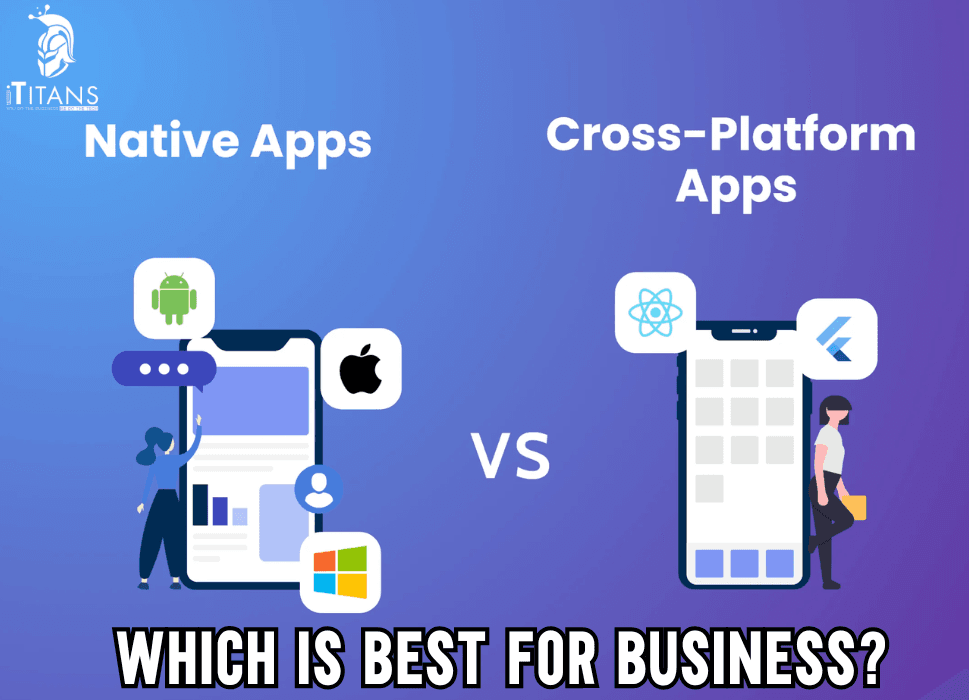
In today’s digital age, mobile applications have become an essential part of businesses looking to engage customers, streamline operations, and generate revenue. When developing a mobile application, one of the most crucial decisions a business must make is choosing between native and cross-platform app development. Both approaches have their strengths and weaknesses, and the right choice depends on various factors such as budget, time-to-market, user experience, and long-term goals.
Native Mobile apps are designed specifically for a single platform, such as iOS or Android, using platform-specific programming languages. In contrast, cross-platform mobile apps are developed using a single codebase that runs on multiple platforms, reducing development time and cost. However, performance, scalability, and user experience differ between the two approaches, making it essential to evaluate the best option based on business needs.
This article provides an in-depth comparison of native and cross-platform mobile apps, exploring their advantages, disadvantages, and which one aligns best with your business objectives.

What Are Native Mobile Apps?
Native applications are built exclusively for a specific operating system—either iOS (using Swift or Objective-C) or Android (using Kotlin or Java). These applications leverage the platform’s native tools and frameworks, ensuring high performance, smooth user experience, and deep integration with device features.
Companies that prioritize user experience and performance often prefer native development. Mobile apps like WhatsApp, Instagram, and Uber have leveraged native development to provide seamless experiences optimized for their respective platforms.
Advantages of Native Mobile Apps
High Performance
One of the biggest advantages of native applications is performance. Since these mobile apps are optimized for a specific platform, they leverage device hardware and system resources efficiently, resulting in faster load times and smooth interactions.
Reliable Security
Native mobile apps also offer better security and reliability, as they follow strict platform guidelines and use built-in security features. Additionally, they provide full access to device features such as the camera, GPS, and sensors, allowing for advanced functionalities that cross-platform apps may struggle to implement efficiently.
Superior User Experience
Moreover, native applications offer a superior user experience, as they follow the platform-specific design language, leading to a more intuitive and familiar interface for users. This aspect is particularly crucial for apps that prioritize engagement and retention.
Disadvantages of Native Mobile Apps
Requires More Time and Costs
Despite their many benefits, native apps have some drawbacks, primarily in terms of cost and development time. Since each platform requires separate development efforts, businesses must hire specialized developers for both iOS and Android, increasing costs significantly.
Needs High Maintenance
Another challenge is maintenance and updates. Any change or update must be implemented separately for both platforms, requiring more resources and time. Additionally, launching a native app on both platforms simultaneously can be difficult, as the development process takes longer compared to cross-platform development.
What Are Cross-Platform Mobile Apps?
Cross-platform applications are designed to work on multiple operating systems using a single codebase. These apps are developed using frameworks such as Flutter, React Native, or Xamarin, which allow developers to write code once and deploy it on both iOS and Android.
Businesses that want to reach a broad audience while keeping development costs low often opt for cross-platform development. Many popular applications, including Airbnb, Facebook, and Alibaba, have leveraged cross-platform frameworks to provide seamless experiences across multiple devices.
Advantages of Cross-Platform Apps
Cost Efficient Choice
The biggest advantage of cross-platform development is cost efficiency. Since developers write a single codebase for both platforms, businesses save on hiring separate teams for iOS and Android. This makes cross-platform mobile apps an excellent choice for startups and businesses with budget constraints.
Gives More Time to Market
Another major benefit is faster time-to-market. Because the same code is used for multiple platforms, development cycles are significantly shorter, allowing businesses to launch their apps quicker than with native development. This can be especially beneficial for companies operating in fast-paced industries where being first to market is crucial.
Easy to Maintain
Cross-platform apps also offer easy maintenance and updates, as developers can make changes in one place, and the updates are reflected across both platforms. This reduces the effort and cost of ongoing maintenance, ensuring mobile apps stay updated with the latest features and security patches.
Disadvantages of Cross-Platform Apps
Limited Performance
While cross-platform apps offer significant advantages, they also come with limitations, particularly in terms of performance. Since these mobile apps rely on intermediate frameworks to function across multiple platforms, they may not be as fast or responsive as native applications, especially for complex and resource-intensive applications like high-performance gaming or AR/VR applications.
Not Suitable for Deep Hardware Integrations
Another drawback is limited access to device features. While frameworks like Flutter and React Native have made significant progress in bridging this gap, native applications still provide better support for deep hardware integration, such as advanced camera controls, sensors, and background processing.
UI is Not Suitable
Additionally, cross-platform apps may face UI inconsistencies. Although frameworks strive to provide native-like experiences, slight differences in animations, gestures, and transitions may be noticeable, impacting overall user experience.

Native vs Cross-Platform Apps: Which Is Right for Your Business?
The choice between native and cross-platform development depends on several factors, including your business objectives, budget, target audience, and the complexity of the application. Below, we explore how different business needs align with each approach.
If Performance and User Experience Are Your Top Priorities
If your app requires high performance, seamless animations, and deep device integration, native development is the best choice. Apps that rely on real-time interactions, such as gaming, video streaming, or financial applications, benefit from native development’s superior speed and responsiveness.
For businesses that prioritize brand reputation and customer retention, delivering a flawless user experience is essential, making native apps the preferred option.
If You Have a Limited Budget and Need a Faster Launch
Startups and small businesses often face budget constraints, making cross-platform development an attractive option. By using a single codebase, businesses can reduce development costs while ensuring their app is available on both iOS and Android.
If your goal is to launch a Minimum Viable Product (MVP) quickly to test market demand, cross-platform development allows you to reach a wider audience in less time. This is particularly useful for businesses looking to validate their ideas before investing heavily in full-scale native development.
If You Need Frequent Updates and Easy Maintenance
Cross-platform mobile apps are easier to update and maintain since changes apply to both platforms simultaneously. Businesses that require regular updates, bug fixes, and new feature rollouts can benefit from the efficiency of cross-platform frameworks.
For example, eCommerce and content-driven applications often require frequent modifications based on user feedback and market trends. A cross-platform approach allows businesses to implement changes quickly without maintaining two separate codebases.
If Security and Compliance Are a Priority
Applications handling sensitive data, such as financial services, healthcare, and enterprise solutions, require robust security measures. Native development offers better security and compliance as it allows direct integration with platform-specific security features like Face ID, Touch ID, and biometric authentication.
If your app deals with confidential user information or requires compliance with industry regulations, native development ensures better data protection and secure transactions.
How iTitans Can Help You Choose the Right Approach
Choosing between native and cross-platform development can be challenging, but iTitans, a leading mobile app development company, helps businesses make informed decisions based on their unique needs and goals. With expertise in both native and cross-platform technologies, iTitans provides customized app development services to help businesses maximize their app performance, scalability, and user experience.
1. Expert Consultation and Strategy Development
iTitans begins by understanding your business requirements, target audience, and budget constraints. Their expert consultants assess whether native or cross-platform development aligns best with your business goals, ensuring that you make the right decision.
2. Native App Development with High Performance
For businesses that require high-performance applications, iTitans offers top-notch native development services using Swift, Objective-C, Kotlin, and Java. Their experienced developers build apps optimized for speed, security, and seamless integration with platform-specific features.
3. Cost-Effective Cross-Platform Development
For businesses looking for a cost-effective, fast-to-market mobile apps, iTitans specializes in Flutter and React Native development. Their team ensures that your app runs smoothly across platforms while maintaining high usability, design consistency, and performance.
4. Security and Compliance Assurance
Security is a top priority for iTitans. Whether it’s a native or cross-platform application, the company follows strict security protocols to protect sensitive user data and ensure compliance with industry regulations.
5. Continuous Support and App Maintenance
Building a mobile app is just the beginning. iTitans provides ongoing maintenance, performance optimization, and updates to ensure that your application remains up-to-date, bug-free, and fully functional.
Conclusion: Which One Should You Choose?
Choosing between native and cross-platform mobile app development depends on your business goals, target audience, and available resources. If you require high performance, superior user experience, and full access to device capabilities, native development is the best option. However, if you need to reduce costs, speed up development, and maintain a single codebase, cross-platform development is a practical choice.
For businesses with long-term growth strategies, a hybrid approach can also be considered—starting with cross-platform development for quick deployment and later transitioning to native for improved performance and scalability. Want to get your Native or cross platform mobile app? Contact iTitans now and share your requirements to get a quote.
Related Post