
Mobile App Development for Healthcare
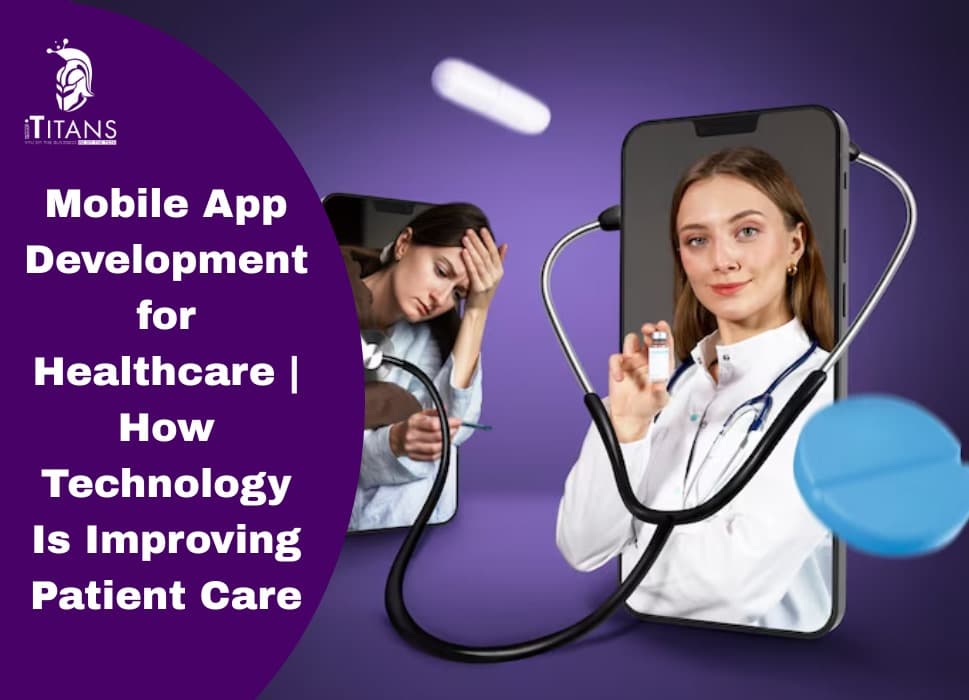
Technology is rewriting the rules in almost every industry, but nowhere is this more impactful than in healthcare. From remote consultations to real-time patient monitoring, mobile app development has evolved from a supporting role to a frontline game-changer in improving patient care.
For healthcare providers, clinics, hospitals, and even private practices, mobile apps are no longer just “nice to have.” They’re mission-critical. In this blog, we’ll explore how mobile technology is shaping the future of patient care, why it’s becoming indispensable, and how businesses, especially in the healthcare industry can make the most of this digital shift.

From Waiting Rooms to Living Rooms: The New Face of Healthcare Access
A few years ago, visiting a doctor meant taking time off work, traveling, waiting endlessly, and flipping through outdated magazines in a crowded room. Today, a smartphone and a stable internet connection can replace that entire ordeal. That’s not just convenience, it’s a structural shift in how healthcare is delivered and experienced.
Mobile apps have opened up access to healthcare in ways that were unimaginable a decade ago. Patients in remote or underserved areas can now speak with specialists hundreds of miles away. Elderly patients can receive follow-up care from the comfort of their homes. Chronic disease management, mental health counseling, and even physical therapy have become more accessible through mobile platforms.
And the numbers support the trend. According to a study published by Statista, over 350,000 health-related mobile apps were available globally in 2023, double the amount just five years ago.
Speed, Simplicity, and Smart Data: The Pillars of Better Care
When you break it down, good healthcare hinges on three things:
- Timely access
- Accurate information
- Effective communication
Mobile apps streamline all three.
- Timely Access: Booking appointments, accessing test results, and getting medication reminders now happen instantly.
- Accurate Information: Integration with electronic health records (EHRs) ensures data is up-to-date and accessible in real time.
- Effective Communication: Secure messaging features allow patients and providers to stay in touch without the barriers of traditional phone systems.
And behind the scenes, AI and analytics work quietly to highlight trends, detect anomalies, and assist physicians with diagnosis or treatment plans. The result? Faster decisions and better patient outcomes.
Types of Healthcare Apps Making a Difference
It’s easy to say “healthcare app,” but the category is diverse. Some apps are designed for providers, others for patients, and many bridge the gap between the two. Here are the most common types:
1. Telemedicine Apps
These allow patients to consult doctors via video, audio, or chat. Especially valuable during the pandemic, they remain popular for mental health services, chronic care management, and general consultations.
2. EHR Integration Apps
These apps connect patients with their electronic health records, giving them real-time access to prescriptions, lab results, and treatment history.
3. Medication Management Apps
These apps send alerts, reminders, and dosage information, especially useful for elderly or chronically ill patients managing multiple prescriptions.
4. Wellness and Preventive Care Apps
These focus on proactive health management, fitness tracking, nutrition advice, sleep monitoring, and lifestyle adjustments.
5. Chronic Disease Management Apps
Apps specifically designed to help patients manage conditions like diabetes, asthma, or heart disease by tracking symptoms, medication, and appointments.
6. Healthcare Provider Tools
Used internally, these apps streamline operations, scheduling, documentation, in-hospital communication, and task management.
This diversity reflects just how many opportunities there are for custom-built mobile solutions in the healthcare space. And that’s exactly where a partner like iTitans steps in.
Security Isn’t Optional It’s Non-Negotiable
In healthcare, protecting patient data isn’t just good practice, it’s the law. HIPAA compliance in the U.S. mandates strict guidelines for how health information is stored, shared, and accessed.
So when developing a healthcare mobile app, security isn’t something to “add in later.” It has to be baked into the architecture from the beginning.
Key Security Considerations:
- Data Encryption: Ensures all data transferred between users and servers is unreadable to third parties.
- Multi-Factor Authentication (MFA): Protects accounts with an extra layer of verification.
- Role-Based Access Control: Limits what each user can see or do based on their role (doctor, patient, admin).
- Audit Trails: Track who accessed what and when, for transparency and legal compliance.
- Cloud Compliance: If you’re using cloud infrastructure, it needs to be HIPAA-compliant as well.
iTitans understands the regulatory landscape inside out. Whether you’re building a mental health platform or a full-scale hospital management system, we make sure your app meets both the expectations of your users and the legal standards that protect them.

Seamless Integration with Existing Healthcare Systems
Healthcare systems are already complex, doctors, labs, pharmacies, insurance providers, and patients all operate on different platforms. A successful mobile app doesn’t replace these systems, it integrates with them.
At iTitans, we’ve helped our healthcare clients build apps that work seamlessly with:
- EHR/EMR systems (like Epic, Cerner, or Allscripts)
- Insurance portals for claims and eligibility checks
- Diagnostic labs for test results and report uploads
- Hospital billing software
- CRM platforms for patient communication
The goal is always the same: reduce friction, save time, and make life easier for both providers and patients.
In the Field: Real Use Cases that Show the Impact
Let’s take a look at how some healthcare businesses are using mobile apps in the real world:
- Remote Cardiology Monitoring: Patients wear Bluetooth-enabled devices that send heart rate and rhythm data directly to a cardiologist via a mobile app.
- Mental Health Check-Ins: Daily mood tracking and journal prompts delivered through an app, monitored by a therapist who adjusts the care plan accordingly.
- Post-Operative Recovery Apps: Surgeons use mobile platforms to send wound care instructions, medication schedules, and alert checklists directly to patients’ phones.
- On-Demand Pediatric Consultations: Parents can video chat with pediatricians 24/7, reducing ER visits and wait times.
These aren’t future possibilities, they’re happening now. And the businesses behind them are seeing increased patient satisfaction, better outcomes, and stronger ROI.
Personalized Patient Experiences: One Size Doesn’t Fit All
Healthcare is deeply personal, and mobile apps are finally reflecting that. The most successful apps today don’t just throw data at patients; they deliver personalized care experiences that feel relevant and human.
Think of a patient recovering from surgery. A good app doesn’t just send general recovery tips. It knows the procedure, the medications prescribed, and the recovery timeline. It sends:
- Medication reminders based on dosage and timing.
- Daily check-in prompts asking about specific symptoms.
- Alerts if symptoms indicate a complication.
- Appointments synced directly with their care team.
All of this happens automatically. That’s the power of mobile healthcare when combined with AI and user-centric design. Patients feel supported. Providers stay informed. And healthcare becomes less reactive and more predictive.
Wearables and Mobile Apps: A Perfect Match
Fitness trackers and smartwatches aren’t lifestyle accessories anymore, mini health monitoring stations. When integrated with mobile apps, wearables open up new dimensions of patient care.
Healthcare apps can now track:
- Heart rate variability
- Oxygen levels (SpO2)
- Sleep cycles
- Steps, movement, and exercise data
- Blood glucose (with compatible devices)
For patients with chronic illnesses or post-operative needs, this real-time data feeds into their care plan and allows providers to adjust treatment on the fly. For example:
- A diabetic patient’s app gets data from a continuous glucose monitor and alerts them (and their doctor) if levels spike or drop.
- A cardiologist receives an alert when a heart patient’s wearable detects an abnormal rhythm.
- An oncology app tracks fatigue, sleep, and activity post-chemotherapy to guide personalized recovery plans.
This is healthcare in motion. And it’s mobile apps that tie it all together.
AI & Predictive Analytics: From Data to Diagnosis
The healthcare sector collects enormous volumes of data. But data without interpretation is just noise. That’s where AI-driven mobile apps make a game-changing difference.
Imagine an app that tracks a patient’s vitals, medication habits, and symptom check-ins. With AI:
- Patterns can be identified earlier (e.g., a rise in blood pressure paired with missed medication and increased fatigue).
- Predictive models can warn the provider of a potential stroke or heart event.
- Chatbots can offer instant triage and direct users toward next steps, whether it’s self-care or immediate help.
AI isn’t replacing doctors. It’s amplifying their abilities, helping them spend more time where it matters, making decisions, not sorting through data.
For healthcare businesses, this means building apps that are not just functional, but intelligent.
Regulatory Compliance & Global Expansion
If you’re developing a healthcare mobile app in the U.S., you need to follow HIPAA. If you’re targeting Europe, it’s GDPR. For Canada, it’s PIPEDA. And that’s just the start.
Healthcare app development involves navigating a maze of regulations, and getting it wrong can result in lawsuits, fines, or worse: patient harm.
At iTitans, we’ve built apps that are compliant across global markets. This includes:
- HIPAA-Compliant Backends: Ensuring protected health information (PHI) is secure and only accessible by authorized personnel.
- Data Localization: Storing data in region-specific servers to comply with legal requirements.
- User Consent Flows: Building transparent and easy-to-understand opt-ins for data tracking and collection.
- Audit Logs: Recording user actions to build trust and enable forensic tracking if needed.
If you’re planning to scale globally or serve a diverse population, compliance isn’t a hurdle, it’s a foundation.
Hospital Efficiency: Apps That Improve Internal Operations
We’ve talked a lot about patient-facing apps, but there’s an equally massive opportunity in backend healthcare operations.
Hospitals and clinics are complex ecosystems. From nurse scheduling to patient flow to equipment tracking, inefficiencies can lead to delays, burnout, and errors.
Mobile apps are helping streamline these processes:
- Staff Shift Management: Apps like NurseGrid help nurses swap shifts, get notifications, and reduce miscommunication.
- Equipment Tracking: RFID + mobile integration lets staff know which wheelchairs, infusion pumps, or beds are available and where they are.
- Internal Messaging Systems: HIPAA-compliant communication tools help doctors and nurses coordinate without risking sensitive data.
At iTitans, we’ve developed custom solutions that integrate these efficiencies into one seamless app, improving hospital performance from the inside out.

Mental Health Goes Mobile: Breaking Stigma & Barriers
Mental health has often lagged behind other areas of care due to stigma, lack of access, and privacy concerns. But mobile apps are helping bridge that gap in meaningful ways.
There are now apps specifically built for:
- Mood tracking and journaling
- Anxiety reduction via guided breathing or meditation
- Cognitive Behavioral Therapy (CBT) programs
- Therapist-led video sessions
- Emergency support via chat or call features
The best part? Patients feel in control. They can engage at their own pace, build trust slowly, and access help when needed without the social pressure of an in-person visit.
And with healthcare systems overwhelmed post-pandemic, these digital tools aren’t just convenient, they’re critical.
Why Businesses Shouldn’t Wait to Invest
If you’re in the healthcare space, whether you’re a solo practice or part of a large hospital system, the window for going mobile is now. Patients expect it. Regulators encourage it. Competitors are doing it.
But more than anything, your operations demand it.
- Cut down appointment no-shows with push reminders.
- Improve patient engagement with personalized check-ins.
- Automate follow-up care with smart scheduling.
- Offer telehealth for greater convenience.
- Track outcomes better with in-app feedback forms and reporting dashboards.
This isn’t about just building an app. It’s about building an ecosystem where your brand becomes synonymous with reliable, responsive, and forward-thinking healthcare.
Voice Assistants in Mobile Healthcare Apps: The Rise of Conversational AI
Healthcare is no longer bound to taps and swipes. With the rise of voice-enabled apps and conversational AI, patient interaction is becoming more natural and accessible.
Voice technology in healthcare apps is transforming the way:
- Elderly patients engage with mobile devices (less typing, more speaking).
- Visually impaired users navigate apps.
- Busy users multitask while logging vitals or medication intake.
- Language barriers are reduced through multilingual voice prompts.
Imagine a patient simply saying, “Log my blood pressure,” and the app understands, records the data, and offers feedback. Or a caregiver asking the app for a patient’s medication schedule without ever touching the screen.
Voice-driven apps are making mobile healthcare more inclusive, fast, and user-friendly, while also lowering the digital literacy barrier for many populations.
Gamification: Motivating Better Health Habits
One of the biggest challenges in healthcare? Getting patients to stick to good habits.
That’s where gamification comes in, leveraging rewards, challenges, streaks, and friendly competition to nudge users toward healthier behaviors.
Healthcare apps now use:
- Daily wellness streaks for tracking water intake or steps.
- Points systems for completing meditation or exercise goals.
- Challenges with friends to reduce sugar, quit smoking, or walk more.
- Interactive rewards (like avatars, badges, or levels) for progress.
What sounds like fun and games is backed by psychology. Gamification taps into dopamine-driven reward systems in the brain, which increases engagement and boosts compliance.
Apps like MyFitnessPal, Headspace, and even insurance-backed programs use gamification to drive real, measurable health outcomes.
If you’re developing a healthcare app and ignoring gamification, you’re leaving user engagement on the table.
Healthcare App Monetization: Where Business Meets Care
Let’s talk business. Healthcare apps aren’t just about improving lives, they’re also creating serious revenue streams when developed strategically.
Here are common monetization models that make healthcare apps sustainable (and profitable):
1. Subscription-Based Models
Ideal for wellness and mental health apps like Calm, BetterHelp, or fitness coaching platforms. Offer free trials, then lock premium features behind a subscription.
2. Freemium + In-App Purchases
Give basic services for free (e.g., symptom checker), then upsell advanced tools like video consultations, personalized plans, or specialist chat support.
3. White Label SaaS
If you’re a business developing a robust healthcare platform, consider licensing your solution to clinics, hospitals, or practitioners under their own branding.
4. Data-Driven Partnerships (Ethically Sourced)
Partner with research institutions or insurers (only with user consent) to provide anonymized data for public health studies or service optimization.
5. Integrated Telehealth Billing
Offer in-app consultations with real-time billing. Patients pay securely. Providers get reimbursed. Everyone wins.
With the right tech partner like iTitans you can build a healthcare app that heals and scales.
Security: Because Trust is Non-Negotiable
In healthcare, trust is currency. And in mobile apps, trust starts with security.
Patients entrust apps with their most personal information: medical history, biometric data, symptoms, mental health insights. One breach, and not only is that trust gone. you’re facing legal and financial chaos.
That’s why the best healthcare apps today include:
- End-to-end encryption for every data transfer.
- Biometric login options like fingerprint or facial recognition.
- Zero-trust architecture ensuring every request is verified.
- Secure APIs that protect against unauthorized third-party access.
- Regular vulnerability assessments and compliance audits.
At iTitans, security isn’t a checkbox, it’s baked into every line of code we write for healthcare clients.
The Future of Mobile Healthcare Apps: What’s Next?
So what does the future hold? A lot.
Here’s a glimpse into the mobile healthcare app trends we see accelerating in the next 3–5 years:
- Digital Twins: Creating virtual patient replicas based on real-time data to simulate outcomes and optimize treatments.
- IoMT Integration: More devices, from glucose monitors to smart pill bottle,s connect seamlessly with apps.
- Blockchain for Records: Decentralized, tamper-proof storage for patient data with improved traceability and consent management.
- 5G-Powered Telemedicine: Real-time HD video, faster data uploads, and less latency even in remote areas.
- Augmented Reality for Training & Surgery: AR-powered mobile apps for medical students, training simulations, or even assisting surgeons with overlays.
The takeaway? Mobile healthcare is only getting smarter, faster, and more vital.
Mobile Apps Are Reshaping Patient Care, and It’s Only the Beginning
Healthcare is no longer confined to clinics and hospitals, it’s going digital, and mobile apps are leading that shift. From remote monitoring to real-time consultations, the right app can enhance patient care, improve outcomes, and simplify workflows.
But building an app for the healthcare industry isn’t just about technology, it’s about trust, compliance, and purpose.
That’s where iTitans comes in. We understand the stakes, and we know how to deliver results that matter. If you’re ready to build a healthcare app that actually makes a difference, contact us. Your vision, our expertise, let’s make it happen.
Related Posts