
Mobile App Backend Development
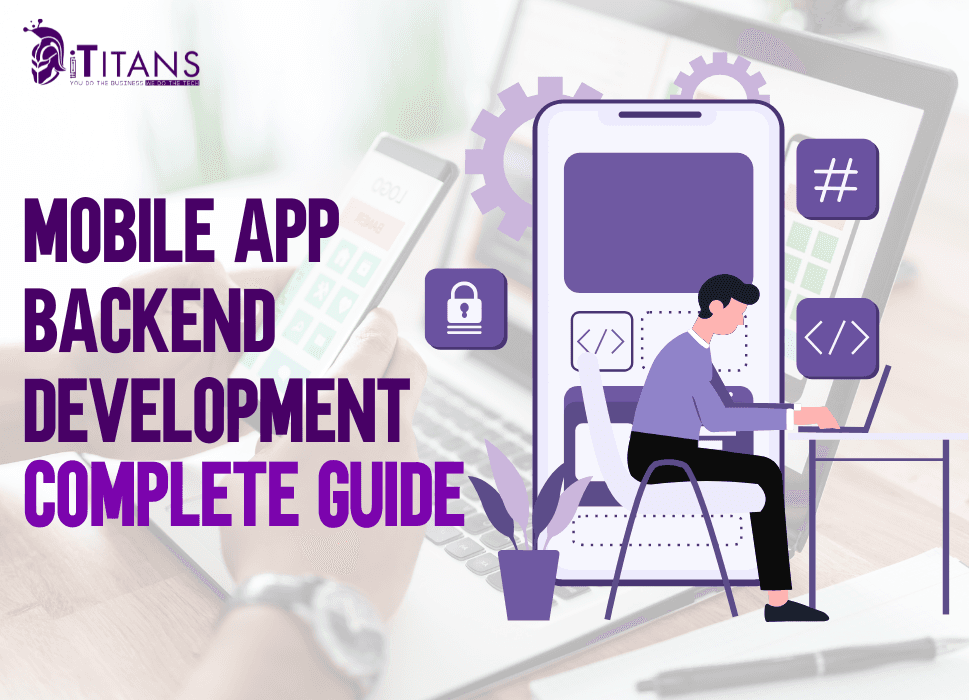
The rise of mobile applications has transformed the way we communicate, shop, work, and interact with the digital world. This is where the frontend of the mobile app comes where the user interacts with the user. At the same time, the real power of an app lies in its backend. Mobile app backend development is the invisible force that powers user authentication, database management, server-side logic, API integration, and overall performance.
As mobile apps become more sophisticated, the demand for reliable backend services grows. According to Statista, the number of mobile app downloads is projected to reach over 299 billion by 2025, and every successful app is backed by a secure, scalable, and efficient backend system. In this comprehensive guide, we will dive deep into mobile app backend development, why it’s essential, how it works, and how iTitans can help bring your app idea to life with a powerful backend infrastructure.
What is Mobile App Backend Development?
The backend of a mobile application refers to the server-side components that handle business logic, database interactions, authentication, data storage, and integration with third-party services. Unlike the front end, which is responsible for the app’s visual interface and user interaction, the backend processes requests, sends data to the front end, and manages the app’s core functionalities.
A strong backend ensures that apps load quickly, data is stored and retrieved efficiently, users are authenticated securely, and the app performs reliably under load.

Key Components of a Mobile App Backend
1. Server-Side Frameworks
A mobile app’s backend is powered by server-side frameworks written in languages like Node.js, Django (Python), Ruby on Rails (Ruby), Laravel (PHP), or .NET (C#). These frameworks provide the structure for writing the logic that handles user requests, interacts with databases, and connects with external APIs.
2. Database Management
All dynamic apps need a database. The two main types are:
· Relational Databases (SQL) such as MySQL, PostgreSQL, and SQL Server
· Non-Relational Databases (NoSQL) like MongoDB, Firebase, and CouchDB
Choosing the right database depends on the app’s structure, data consistency requirements, and scalability needs.
3. RESTful APIs and GraphQL
APIs (Application Programming Interfaces) are the bridge between the front end and the backend. They handle data exchange and enable communication between different software systems. RESTful APIs are widely used, but GraphQL is gaining popularity for its flexibility and efficiency in data querying.
4. User Authentication and Authorization
Secure authentication is essential. Most modern apps use token-based authentication (like JWT), OAuth protocols (used by Facebook, Google logins), or biometric authentication systems to verify user identity and access rights.
5. Cloud Integration and Hosting
Cloud platforms like AWS, Google Cloud, Microsoft Azure, and Firebase offer scalable and secure hosting environments for mobile app backends. These platforms also provide services like load balancing, data storage, machine learning integration, and real-time databases.
6. Scalability and Performance Optimization
Backend development also includes strategies to ensure apps handle traffic spikes efficiently. Load balancers, caching systems (Redis, Memcached), and microservices architecture all play a role in ensuring optimal app performance.
Why Backend Development is Crucial for Mobile Apps
1. Data Synchronization
The backend ensures real-time data synchronization across devices. Whether you’re messaging, shopping, or tracking fitness goals, it’s the backend that keeps your app updated and consistent.
2. Business Logic Execution
All business rules and application-specific logic, such as calculating discounts, managing workflows, or processing transactions, are executed on the server side.
3. User Management and Security
The backend manages user roles, data encryption, authentication, and ensures the app meets data privacy regulations such as GDPR and HIPAA.
4. Offline Functionality
Through local caching and synchronization systems, the backend enables apps to function even without continuous internet access and syncs changes once the connection is restored.
Popular Backend-as-a-Service (BaaS) Platforms
For many startups and small businesses, setting up a backend from scratch is expensive. That’s where Backend-as-a-Service (BaaS) platforms come in. These services offer ready-to-use backend infrastructure and tools.
· Firebase (by Google): Real-time database, user authentication, cloud storage.
· AWS Amplify: Scalable cloud backend for mobile and web apps.
· Parse Platform: Open-source BaaS with REST and GraphQL support.
These platforms speed up development and reduce operational overhead, though they may come with limitations in customization and scalability as your app grows.
Latest Trends in Mobile App Backend Development
1. Serverless Architecture
With serverless computing, developers can deploy backend functions without managing servers. Platforms like AWS Lambda and Google Cloud Functions handle the infrastructure, offering cost-efficiency and scalability.
2. Microservices Architecture
Instead of a monolithic backend, microservices break the backend into smaller, independent services. This allows teams to deploy, scale, and update features independently, enhancing agility and fault tolerance.
3. Real-Time Data Processing
Apps now demand real-time functionalities—like chat apps, live location tracking, and financial dashboards. Backend technologies like WebSockets and services like Firebase Realtime Database support this trend effectively.
4. AI-Powered Backend Systems
More backends are integrating machine learning models for recommendations, predictive analytics, and automated decision-making, empowering smarter mobile applications.
Challenges in Mobile App Backend Development
1. Ensuring Security
Securing APIs, databases, and servers against unauthorized access and data breaches is paramount. This includes regular security audits, data encryption, and secure token management.
2. Handling Scalability
As the user base grows, the backend must scale seamlessly. This requires robust cloud infrastructure, efficient database indexing, and optimized server architecture.
3. Managing Latency
High latency can ruin user experience. Developers must focus on optimizing API response times, implementing content delivery networks (CDNs), and managing server locations.

How iTitans Empowers Mobile App Backend Development
At iTitans, we specialize in creating powerful, scalable, and secure backends tailored to the unique needs of each mobile application. Building a powerful backend requires deep technical knowledge, the right tools, and a strategic approach. That’s where iTitans comes in.
With our expertise in backend architecture, cloud computing, and mobile development, we help businesses create robust, secure, and scalable mobile applications that stand out in a competitive marketplace. Here’s how we can help your business succeed in the mobile-first world:
1. Customized Backend Development
Whether you need a RESTful API, a GraphQL layer, or a complete cloud-based infrastructure, iTitans offers bespoke backend development using technologies such as Node.js, Django, Firebase, AWS, and more.
2. End-to-End Development Services
From initial architecture planning and API design to database configuration and deployment, iTitans handles every aspect of backend development. We work closely with your front-end team to ensure smooth integration and optimal performance.
3. Industry-Specific Expertise
Our team has delivered backend development for various industries including eCommerce, healthcare, fintech, education, logistics, and entertainment. We tailor our backend strategies to meet the specific challenges and compliance requirements of your industry.
4. Focus on Security and Compliance
We implement best security practices, including OAuth2, SSL encryption, secure token management, and GDPR-compliant data storage to protect your users and build trust.
5. Scalable and Future-Proof Architecture
Our developers use modular design principles, microservices architecture, and cloud-native tools to ensure your backend is not only efficient today but also ready for future growth.
6. Ongoing Maintenance and Optimization
iTitans offers long-term support, backend monitoring, and performance tuning to keep your app running smoothly. Whether it’s fixing bugs, scaling infrastructure, or updating technologies—we’ve got you covered.
FAQs
What is mobile app backend development and why is it important?
Mobile app backend development refers to the server-side part of a mobile application that handles data storage, business logic, authentication, and server communication. While the frontend is what users see and interact with, the backend ensures everything functions smoothly behind the scenes.
What are the core components of a mobile app backend?
The main components of a mobile app backend include a database, server, application programming interfaces (APIs), and server-side logic. The database stores all the necessary information, such as user profiles and content. The server hosts the app and handles client requests. APIs act as bridges between the app’s frontend and backend, enabling data exchange.
Which technologies are commonly used for backend development in mobile apps?
There are several popular technologies used in mobile backend development. These include programming languages like Node.js, Python (with Django or Flask), Ruby on Rails, Java (with Spring Boot), and PHP (with Laravel). For databases, developers often use PostgreSQL, MySQL, or NoSQL options like MongoDB.
How does backend development affect app performance and user experience?
Backend development plays a significant role in determining the overall performance and user experience of a mobile app. A well-optimized backend ensures fast data processing, reduced load times, and smooth functionality, which keeps users engaged.
Conclusion
Mobile app backend development is the backbone of any successful application. From managing databases and APIs to ensuring seamless functionality and security, the backend plays a critical role in delivering a top-notch user experience.
If you’re ready to transform your app idea into a high-performing backend development services, iTitans is your trusted partner in backend development. Contact iTitans today to discuss your project requirements and discover how we can bring your vision to life.
Related Post