
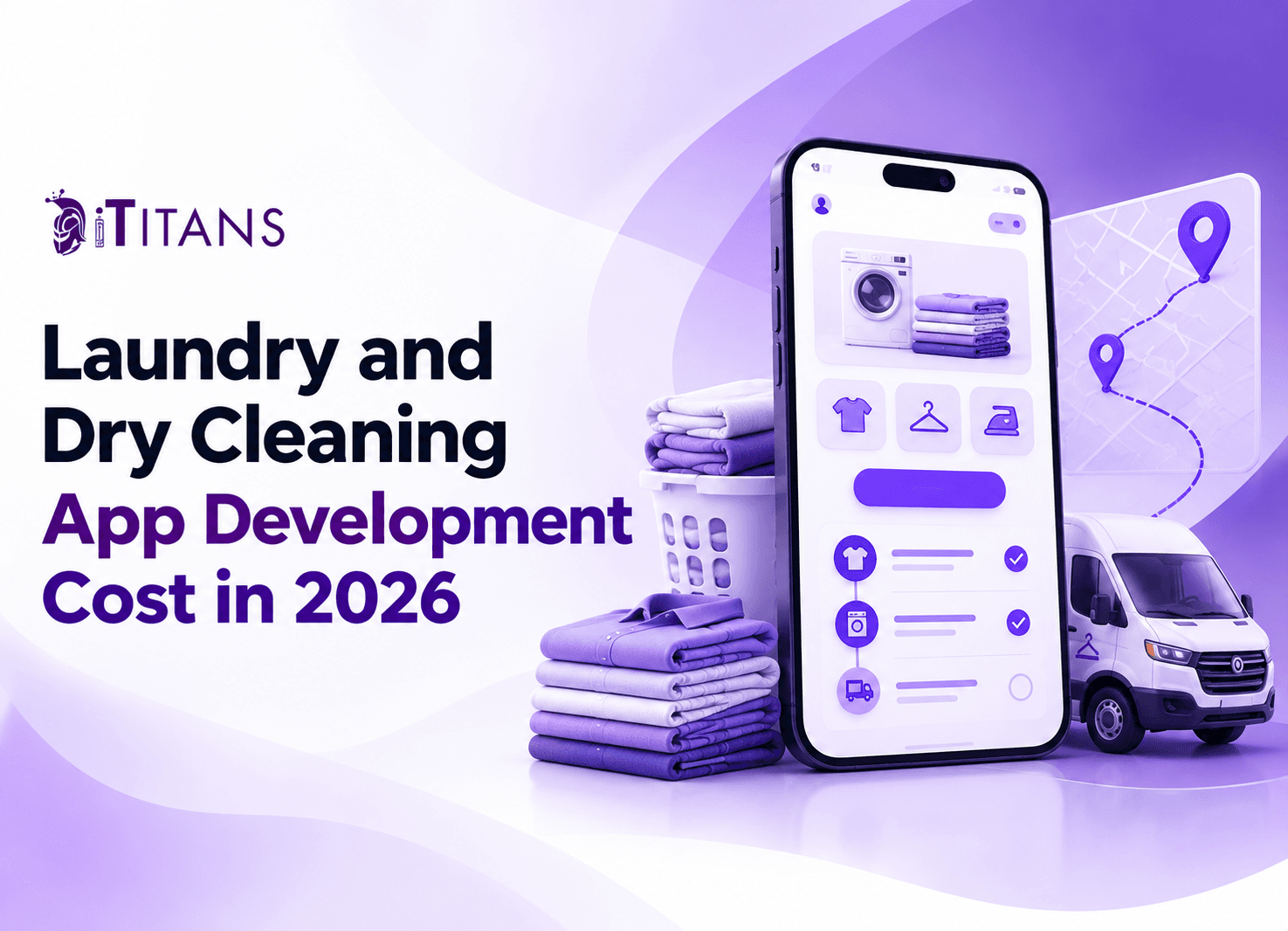
Laundry and Dry Cleaning App Development Cost in 2026
Building a laundry or dry cleaning app involves more than adding online booking to an existing business. You need order management, garment tracking, payment processing, pickup scheduling, and tools for managing daily operations.
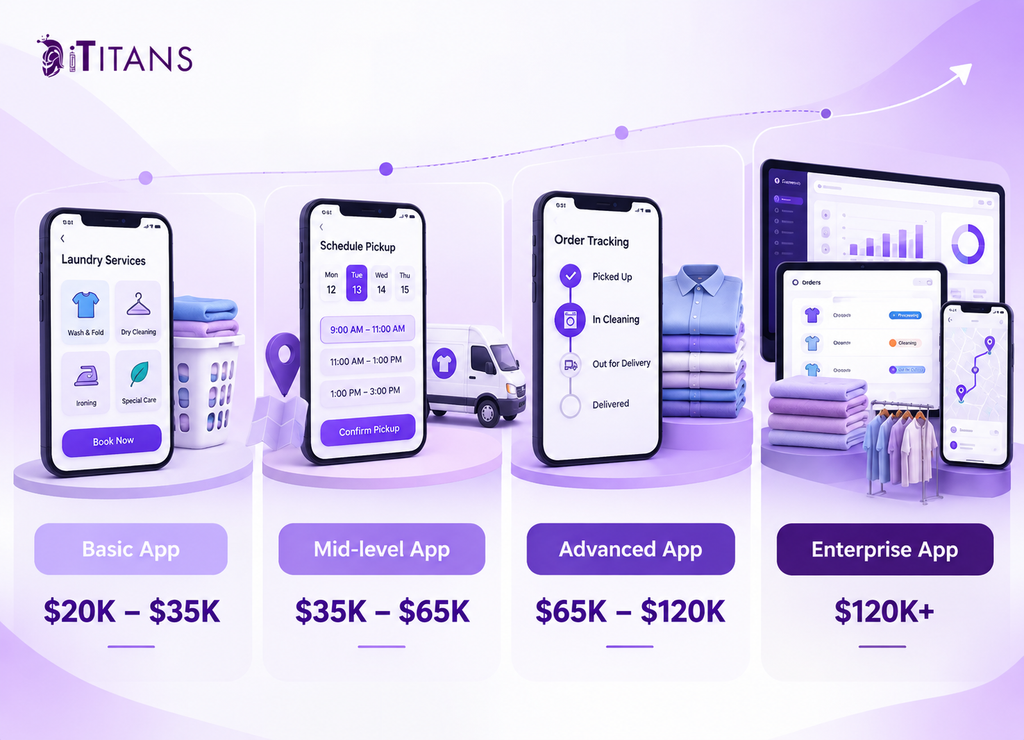
The laundry and dry cleaning app development cost in 2026 typically ranges from $20,000 to $150,000 or more. Your final budget depends on the business model, required features, supported platforms, and delivery operations.
A small laundry business may need only a booking app and admin dashboard. However, a multi-location service requires more advanced tools. Understanding these costs helps you prioritize features before development begins.
How Much Does Laundry and Dry Cleaning App Development Cost in 2026?
The cost of developing a laundry app depends on its features, user roles, integrations, and supported platforms. The following estimates provide a starting point for budgeting.
| App Type | Estimated Cost | Development Timeline |
| Basic laundry app MVP | 20,000–35,000 | 2–4 months |
| Mid-level laundry platform | 35,000–65,000 | 3–5 months |
| Advanced pickup and delivery app | 65,000–120,000 | 4–7 months |
| Enterprise laundry platform | 120,000–150,000+ | 6–10+ months |
These figures are planning estimates, not fixed market prices. Actual quotes vary by development team, location, technical requirements, and project scope.
A basic app supports online bookings and simple order management. A mid-level platform adds driver coordination, automated notifications, and additional payment options.
Advanced platforms may include route optimization, subscriptions, multiple service locations, and detailed reporting. Enterprise solutions often require custom integrations and more complex operational workflows.
Laundry App Development Cost by Feature
Your feature list directly affects development costs. The following estimates show how individual components may contribute to your budget.
| Feature | Estimated Cost |
| Customer registration and profiles | 2,000–4,000 |
| Service selection and booking | 3,000–6,000 |
| Online payments | 2,000–5,000 |
| Order tracking and notifications | 3,000–7,000 |
| Driver management and GPS | 5,000–12,000 |
| Admin dashboard | 4,000–10,000 |
| Reporting and analytics | 3,000–8,000 |
These are illustrative component-level estimates. They should not be added mechanically because features share backend services, authentication, and other infrastructure. Your development team should estimate the complete project after reviewing its requirements.
Which Features Should You Build First?
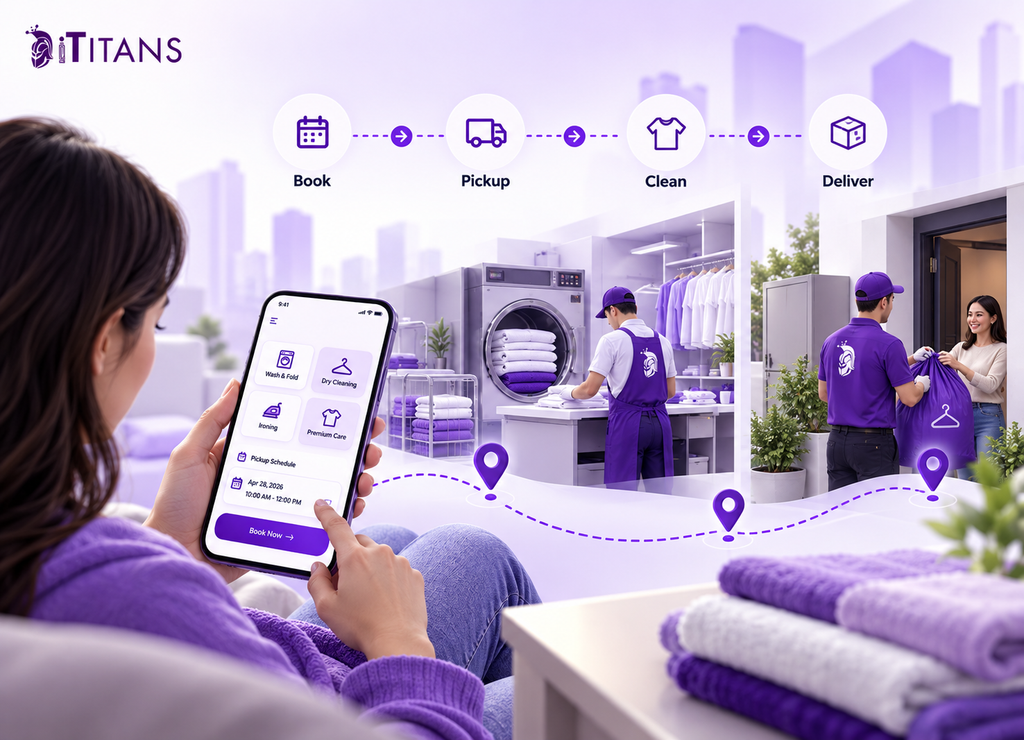
Start with the features that support your main customer journey. Customers should be able to choose a service, book a collection, pay, and track their orders.
Staff should receive bookings and update order statuses through an admin interface. Add subscriptions, loyalty programs, and advanced analytics after validating customer demand.
This approach keeps your initial scope manageable while allowing room for future development.
What Features Affect Laundry App Development Cost?
1. Customer App
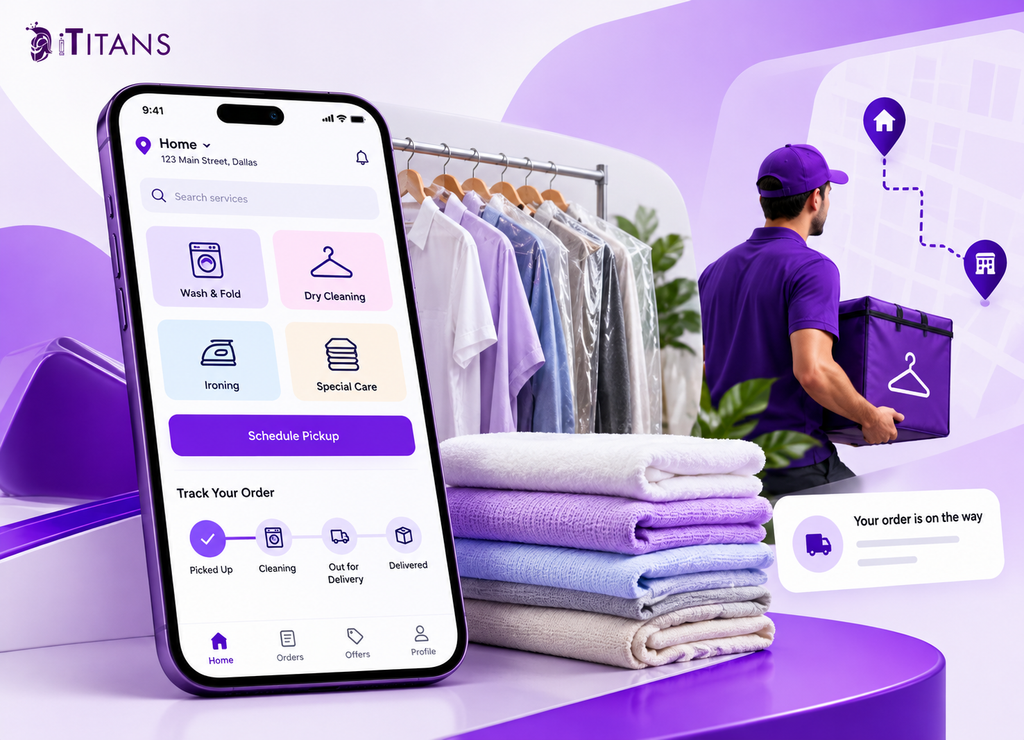
The customer app allows users to book laundry services without calling the store. It should make ordering, payment, and tracking straightforward.
Core features include:
- User registration: Support email, phone numbers, or social logins.
- Service selection: Display washing, ironing, wash-and-fold, and dry cleaning options.
- Pickup scheduling: Let customers select available dates, time slots, and collection addresses.
- Order tracking: Show whether garments are collected, being cleaned, ready, or out for delivery.
- Online payments: Support suitable cards, digital wallets, and local payment methods.
- Order history: Let customers review previous bookings, invoices, and service details.
A basic customer app costs less than one with recurring bookings, loyalty points, personalized offers, and multiple payment options.
2. Driver and Pickup Management
Pickup and delivery features introduce additional development work. Drivers need their own interface to receive assignments and update order statuses.
Useful features include route navigation, pickup confirmations, delivery records, and customer contact details. GPS tracking can show customers where their orders are during delivery.
Businesses operating in one neighborhood may need basic scheduling and navigation. Larger services can benefit from route optimization and automatic assignment of nearby drivers.
The laundry delivery app development cost increases when the system must coordinate multiple drivers, delivery zones, and time-sensitive orders.
3. Laundry Staff and Admin Dashboard
A customer-facing app cannot manage an entire laundry business by itself. Staff need tools to process orders, track garments, manage prices, and resolve problems.
An admin dashboard should include order assignment, customer records, payment history, promotional offers, refunds, and sales reports.
Dry cleaning businesses may also need garment-level tracking. Staff can attach a barcode or QR code to an order and scan it during intake, cleaning, inspection, and dispatch.
This process helps prevent misplaced items and gives staff a clearer record of each order.
Laundry App Development Cost by Business Model
Different laundry businesses need different systems. Choosing the right model before development helps prevent unnecessary spending.
Single-Store Laundry App
Estimated cost: 20,000–35,000
A single-store app suits an established laundromat or dry cleaning business serving a limited area.
It typically includes customer bookings, service selection, payments, order history, and an admin dashboard. Basic pickup scheduling can also be included.
On-Demand Laundry Delivery App
Estimated cost: 35,000–80,000
An on-demand laundry app connects customers with pickup, cleaning, and delivery operations.
It may include driver assignments, GPS tracking, payment processing, notifications, and delivery confirmations. More advanced versions can support recurring pickups and route planning.
Multi-Vendor Laundry Marketplace
Estimated cost: 65,000–150,000+
A marketplace connects customers with multiple laundry providers. Each provider needs tools for accepting orders, updating prices, and managing service availability.
The platform also needs vendor onboarding, commission calculations, payment settlements, and dispute management. These requirements make a marketplace more complex than a single-store booking app.
5 Factors That Influence Laundry App Development Cost
1. Platform Selection
Building for Android, iOS, and the web requires different levels of development effort.
Native apps provide platform-specific experiences but may require separate codebases. Cross-platform frameworks can support both mobile platforms with a shared codebase, although some features still need platform-specific work.
A responsive website or web app may be sufficient for an initial launch. Your choice depends on your customers, budget, and expected usage.
2. UI/UX Design
A simple booking flow costs less to design than a platform with several dashboards and complex workflows.
Customers should find services, select pickup times, and confirm orders without confusion. Staff interfaces should make frequent tasks quick and easy.
Custom animations and highly detailed interfaces can increase design time. Focus first on usability and the screens people use most.
3. Third-Party Integrations
Integrations connect your app with external services. Each one requires configuration, testing, and ongoing compatibility checks.
Common integrations include payment gateways, mapping services, SMS notifications, push notifications, and accounting systems.
Integration costs depend on the provider, API complexity, and number of workflows involved. Some providers also charge recurring usage fees.
4. Backend and Order Processing
The backend manages bookings, payments, customer records, pricing, and order statuses.
Laundry pricing can become particularly complex. Some businesses charge by weight, while dry cleaners charge by garment type. Others use service bundles or monthly subscriptions.
The system must calculate prices correctly and handle changes after collection. For example, staff may adjust an estimate after weighing a laundry bag.
5. Security and Quality Assurance
The app must protect customer information and handle transactions correctly. Development teams should test authentication, permissions, payment workflows, and data access.
Testing should also cover failed payments, cancelled bookings, unavailable pickup slots, and delayed deliveries.
Skipping these checks may reduce the initial budget but create expensive problems after launch.
How Much Does the Development Team Cost?
The development team’s structure also affects your total budget. A small project may require a designer, mobile developer, backend developer, and tester. A complex marketplace may need additional specialists.
| Team Member | Main Responsibility |
| UI/UX designer | Booking flows and interface design |
| Mobile developer | Customer and driver applications |
| Backend developer | Orders, pricing, payments, and APIs |
| QA engineer | Functional, security, and integration testing |
| Project manager | Scope, communication, and delivery |
Rates vary by country, experience, and engagement model. For example, hiring a freelancer may reduce upfront spending, while an established development company can provide a coordinated team.
Ask whether the proposal includes design, testing, deployment, and post-launch support. Comparing quotes on these details gives you a clearer picture of the actual cost.
Hidden Costs of Building a Laundry App
The initial development quote does not cover every expense you will face after launch.
Hosting and Infrastructure
Your backend needs hosting, databases, file storage, monitoring, and backups. Costs depend on traffic, data storage, and infrastructure choices.
Annual Maintenance
Plan for bug fixes, operating system compatibility, security patches, and performance improvements. A common budgeting guideline is 15%–25% of the initial development cost annually, although actual needs vary.
For a $40,000 app, this represents approximately 6,000–10,000 per year.
API and Transaction Fees
Mapping, SMS, email, and payment providers may charge according to usage. Transaction fees can also affect profit margins as order volume increases.
Marketing and Customer Acquisition
Customers need a reason to download your app and place their first order. Budget separately for local advertising, search visibility, referral campaigns, and retention activities.
Feature Updates
New service areas, payment methods, subscriptions, and business integrations may require future development work.
How to Reduce Laundry App Development Costs
Lowering development costs does not mean removing every useful feature. Instead, focus your first release on the tasks that help customers place orders and help your team fulfill them.
Start with a minimum viable product (MVP). Launch with booking, service selection, pickup scheduling, payments, order updates, and essential administration.
Use cross-platform development where suitable. A shared mobile codebase may reduce duplicated development effort compared with separate native apps.
Prioritize essential integrations. Begin with the payment, notification, and mapping services your business actually needs.
Test one service area first. A limited launch helps you identify operational problems before expanding into more neighborhoods.
Plan future features early. Your first release does not need every advanced feature. However, the architecture should support sensible upgrades without requiring a complete rebuild.
How Long Does It Take to Develop a Laundry App?
Development time depends on project scope and how quickly decisions are made.
| Development Stage | Typical Duration |
| Requirements and planning | 1–2 weeks |
| UI/UX design | 2–4 weeks |
| App and backend development | 6–12 weeks |
| Integrations and testing | 2–5 weeks |
| Launch preparation | 1–2 weeks |
These stages may overlap, so their durations should not simply be added together. A basic app may take around two to four months, while a complex platform can take six months or longer.
Late feature changes, third-party approvals, and unclear business rules can extend the schedule.
How Can a Laundry App Generate Revenue?
A laundry app can support several revenue models, depending on whether you own the cleaning operation or run a marketplace.
- Service charges: Earn revenue from washing, ironing, and dry cleaning orders.
- Delivery fees: Charge for standard, express, or scheduled collection and delivery.
- Subscriptions: Offer recurring plans for customers who need laundry services regularly.
- Marketplace commissions: Collect a fee or percentage from participating laundry providers.
- Business contracts: Serve hotels, salons, restaurants, and other organizations with recurring laundry needs.
Choose a revenue model that matches your operating costs. For instance, free delivery may attract customers but reduce margins when pickup routes are long.
How to Estimate Your Laundry App’s Return on Investment
Development cost is only one part of the financial decision. You should also estimate how the app could affect order volume, operating expenses, and customer retention.
Consider a laundry business receiving 500 orders monthly. If the app helps generate 100 additional orders, calculate the contribution margin from those orders rather than counting their full revenue as profit.
Next, estimate savings from reduced manual booking, fewer order errors, and more efficient delivery routes. Subtract recurring technology costs, payment fees, and additional operating expenses.
Compare the resulting monthly contribution with your development investment. This calculation provides a more useful payback estimate than relying on downloads alone.
Build a Laundry App That Fits Your Business
Planning a laundry or dry cleaning app starts with understanding your daily operations, customer needs, and budget. iTitans can help you define the right feature set, estimate development requirements, and plan a practical launch strategy. Contact our team to discuss your laundry app idea and get an estimate based on your business requirements.
Frequently Asked Questions
1. How much does it cost to develop a laundry app in 2026?
A basic laundry app may cost 20,000–35,000. Advanced platforms can cost 65,000–120,000 or more, depending on features, integrations, and supported platforms.
2. How much does it cost to build a dry cleaning app?
A basic dry cleaning app may fit within a 20,000–35,000 budget. Garment tracking, specialized pricing, delivery management, and multiple locations can increase the total cost.
3. What features should a laundry delivery app include?
Essential features include service selection, booking, pickup scheduling, payments, order tracking, notifications, and an admin dashboard. Driver assignment and GPS tracking become important when the business manages its own delivery fleet.
4. How long does it take to build a laundry app?
A basic app may take two to four months. A platform with separate customer and driver apps, advanced integrations, and multi-location support may take six months or longer.
5. Is it better to build a custom laundry app or use a ready-made solution?
A ready-made solution can reduce initial costs and shorten launch time. Custom development provides more control over workflows, pricing rules, integrations, and future features. The right option depends on your budget and business requirements.
6. What are the ongoing costs of a laundry app?
Ongoing expenses include hosting, maintenance, API usage, payment processing, security updates, and customer support. Reserve 15%–25% of the initial development budget annually as a starting maintenance allowance, then estimate usage-based expenses separately.