
How to Improve User Retention in Mobile Apps
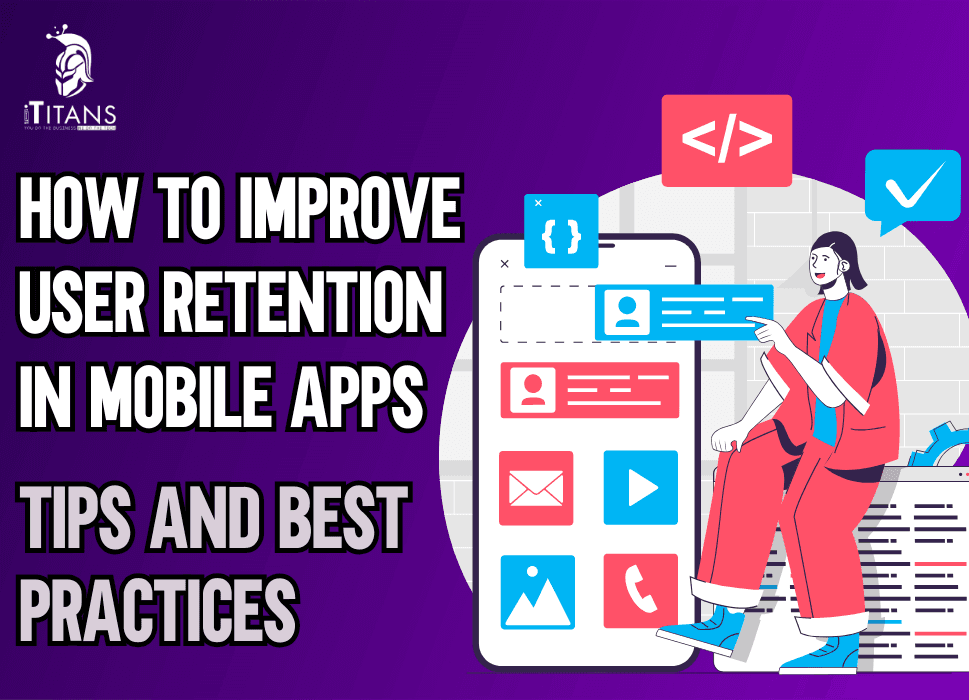
In today’s hyper-competitive mobile landscape, acquiring users is only half the battle, the real challenge lies in keeping them. User retention in mobile apps is one of the most crucial metrics for long-term success, reflecting how well your app meets user expectations and delivers sustained value. In fact, according to Statista, the average mobile app retention rate after 30 days is just around 5.7%, a figure that reveals how many apps struggle to keep users engaged beyond the initial download.
This comprehensive guide will explore proven strategies to improve mobile app user retention. From onboarding and push notifications to personalization and customer support, we’ll uncover everything developers, product managers, and app marketers need to know. We’ll also highlight how iTitans, a leading digital transformation and software development agency, can play a vital role in boosting your app’s stickiness and success.
Understanding User Retention in Mobile Apps
User retention measures the percentage of users who continue to use an app over a specific time period. High retention indicates strong product-market fit and user satisfaction, while poor retention suggests there are friction points or value gaps. Typically, retention is measured at intervals such as Day 1, Day 7, and Day 30. For instance, if 1,000 people install your app on Day 0 and 200 of them return on Day 7, your Day 7 retention rate is 20%.
Retention is directly tied to your app’s revenue potential. Apps with higher retention are more likely to monetize effectively through subscriptions, in-app purchases, or ads. It also impacts your user acquisition strategy, as improving retention reduces churn and maximizes lifetime value (LTV), making each user more profitable.

15 Tips to Improve User Retention in Mobile Apps
To provide you a brief overview, we have discussed over 15 tips and tricks that can help you improve user retention in your mobile apps.
1. Create a Smooth and Simple Onboarding Process
First impressions are everything. A confusing or bloated onboarding experience can lead users to abandon your app before they even begin using it. Your onboarding flow should be intuitive, engaging, and purposeful. Explain key features without overwhelming users. Apps like Duolingo and Headspace masterfully introduce their interfaces with minimal friction, setting users up for long-term engagement.
Progressive onboarding, where users learn about features as they use the app, is particularly effective. It allows users to explore at their own pace and discover value gradually, instead of dumping all instructions upfront. Simple onboarding makes it easier to convert every lead. With simple practices like easy sign up via connected accounts (i.e. Google or Apple login options) can enhance to this experience. Often users bounce back from the app or even delete it when they are bothered right on the home screen by lengthy login or registration process.
2. Optimize App Performance and Speed
No matter how innovative your app is, if it’s slow or crashes frequently, users won’t stay. According to a Google study, 53% of mobile users abandon a site if it takes more than 3 seconds to load, and this behavior extends to apps. Laggy animations, long loading times, or frequent bugs ruin user experience and kill retention.
To improve performance, minimize app size, cache content locally where possible, and conduct regular QA testing. Investing in native development or using efficient cross-platform development frameworks like Flutter can also help ensure smooth functionality across devices. Also, try not to overload apps with options, features, or design elements that might ruin the performance experience.
Keeping the mobile app minimalistic yet interaction for the users can make it easier for them to experience its options and features. The reason why its important to focus on app optimization is because not every smartphone user has a high end smartphone or tablet device. App that constantly lags, consume more resources, and provides a poor user experience can frustrate the user, ultimately forcing them to not use the application further.

3. Use Push Notifications Wisely
Push notifications can significantly boost engagement when used correctly. They serve as reminders, offer personalized recommendations, or deliver important updates. However, irrelevant or excessive notifications annoy users and lead to uninstalls. This is the point where you have to choose wisely on what to display on the user’s screen in each notification.
Segment your audience and personalize notifications based on user behavior. For example, an e-commerce app could send alerts about price drops for a user’s saved items. Timing also matters—respect local time zones and user habits to avoid disruptions.
Quite often the push notifications are something that could bother the user. Try to categorize the notification in such a way that they provide value to user rather than just covering the screen. Always ensure that the push notifications are appearing appropriately on the lock screen or notification panel. Also ensure to keep the text in notifications concise yet accurate to keep it easy to read and understand for the user.
4. Personalization is the Key to Stickiness
Personalized experiences create emotional connections. Tailor content, offers, and messages based on user preferences, demographics, and behavior. Apps like Spotify and Netflix are some of the top examples in this area as utilize machine learning to provide hyper-relevant suggestions.
Behavior-based personalization also increases retention. If a user frequently engages with a certain feature, highlighting enhancements to that feature or offering shortcuts makes the app feel uniquely designed for them. For enhanced customization, you can also add ‘edit’ button in the mobile app to allow users edit certain options and features according to their preference.
Asking the permission for utilizing user’s data can make it easier to understand their behavior and provide customization options accordingly. Especially for eCommerce apps, understanding user’s preferences is very important. Program the app to show sections like ‘you might be interested in’ or ‘relevant products to your choice’ based on their recent activity.

5. Gamify the Experience
Gamification adds fun and encourages repeat usage. By incorporating elements like points, levels, leaderboards, and badges, you can increase user motivation and stickiness. Fitness apps like Strava and productivity apps like Habitica use gamification to drive daily engagement.
Make sure your gamification aligns with your app’s core value. Reward users for meaningful actions such as setting goals, completing tasks, or inviting friends. Such type of options and features are more relevant in apps based on eCommerce or in-app purchases. An example can be taken of the reward or loyalty points that are awarded upon each purchase.
6. Leverage In-App Messaging
In-app messages help guide users, offer support, and announce new features in real-time. Unlike push notifications, in-app messages appear while the user is actively engaged, making them more contextual and less intrusive.
Use these messages to offer onboarding help, feature tutorials, or personalized offers. Also, gather real-time feedback or run quick surveys to identify friction points that could be hurting retention. In-app messaging allows you to communicate with users in real-time while they are actively using the app.
You can use it to onboard new users, guide them through features, offer tips, and notify them about updates or promotions. Timely, personalized messages enhance engagement and reduce confusion, making users more likely to return. When done right, it boosts retention without disrupting the user experience.
7. Encourage User Feedback and Act on It
Users want to feel heard. Make it easy for them to share feedback within the app, and more importantly, show that you’re listening. Apps that frequently update based on user suggestions build trust and loyalty.
Respond to app store reviews and address common complaints. Regularly highlight in update notes how user feedback has shaped new releases. Asking for feedback shows users that their opinions matter and helps you identify pain points and improvement areas.
Implementing suggestions or resolving issues based on this feedback builds trust and loyalty. Make it easy for users to share feedback directly within the app. Responding with real changes demonstrates that you are actively working to improve their experience.
8. Continuously Update and Improve Features
Stagnation is the enemy of retention. Regular updates show users that the app is evolving and adapting to their needs. Highlight new features or improvements within the app so users are aware of what’s new.
According to Apptentive, apps that update frequently have average retention rates that are 3x higher than those that don’t. This is a powerful reason to maintain an agile development cycle. Regularly updating your app with new features, UI enhancements, and bug fixes keeps it fresh and functional.
These updates show that your app is actively maintained and evolving to meet user needs. Users are more likely to stay engaged when they see meaningful improvements that add value. Prioritize updates based on analytics and user feedback for maximum impact.

9. Offer Value Beyond the Core Function
Give users reasons to come back beyond the app’s main utility. Content updates, challenges, community features, or integration with other tools can enhance stickiness.
For example, a meditation app can include a daily mindfulness quote, or a photo-editing app might offer weekly editing challenges. While your app may have a primary purpose, offering additional value—like tips, educational content, or integrations with other tools—can enhance user engagement. This gives users more reasons to open your app regularly. By creating a richer experience, you build long-term habits that go beyond basic functionality, ultimately leading to higher retention rates.
10. Provide Excellent Customer Support
Timely and helpful customer support can turn a frustrated user into a loyal fan. Integrate live chat, FAQ sections, or help tickets directly within your app. Automate basic queries with AI chatbots, but always allow escalation to a human when needed. Empowered users who know where to turn when they face issues are more likely to stay engaged.
Responsive, helpful customer support can turn a frustrating experience into a positive one. Whether through chatbots, FAQs, or live agents, offering assistance at the right moment can prevent churn. When users know help is available and their problems will be solved, they feel more confident in continuing to use the app. Excellent support builds credibility and fosters loyalty.
11. Analyze User Behavior and Optimize Journeys
Analytics provide critical insights into where users drop off. Use tools like Mixpanel, Amplitude, or Firebase to track user flows, session lengths, and feature usage. Identify bottlenecks and optimize those areas. Behavioral data helps you design retention strategies that are informed by real actions, not assumptions.
Tracking how users interact with your app helps uncover where they drop off, get stuck, or lose interest. Use analytics tools to map user journeys and identify friction points. By optimizing onboarding flows, simplifying navigation, and improving UX based on real data, you can guide users more effectively toward meaningful actions, increasing retention.
12. Re-engage Dormant Users with Win-Back Campaigns
Don’t give up on users who’ve gone inactive. Email marketing, retargeting ads, and re-engagement notifications can draw them back. Offer incentives like discounts, new features, or updates that address their potential pain points. Make sure these campaigns are personalized—generic “we miss you” messages rarely work.
Users who stop using your app can often be brought back with strategic re-engagement efforts. Win-back campaigns, such as push notifications, email reminders, or personalized offers, remind users of your app’s value. Tailor these messages to highlight new features or improvements since their last visit. A well-crafted campaign can revive interest and restore loyalty.
13. Monetization Strategy Shouldn’t Hinder Usability
Aggressive monetization tactics can alienate users. Pop-ups, paywalls, or ads that interrupt key flows hurt the experience. Offer value before asking users to pay. Freemium models work best when the free version delivers enough utility to hook users. Use in-app purchases and subscriptions judiciously, making the premium offering feel like a natural upgrade rather than a forced choice.
While monetization is important, intrusive ads or aggressive paywalls can frustrate users and drive them away. Ensure that your monetization approach is balanced and respects the user experience. Offering freemium models, trial periods, or ad-free upgrades can generate revenue without compromising satisfaction. A seamless experience increases the likelihood of long-term use and conversions.
14. Build a Community Around Your App
Social features like forums, groups, or friend invites can strengthen emotional bonds. Users who feel part of a community are more likely to stay. Language learning apps like Tandem and fitness platforms like FitBit use community engagement to enhance retention. Consider integrating social sharing options, challenge features, or discussion boards to promote interaction.
Creating a sense of community encourages users to stay connected, share experiences, and become brand advocates. This can be achieved through forums, social media groups, user challenges, or in-app social features. A strong community fosters emotional connection and keeps users coming back, not just for the product but for the shared experience it creates.
15. Collaborate with Experts Like iTitans
Improving mobile app retention requires technical expertise, strategic planning, and continuous iteration. This is where iTitans leads as a top-tier digital transformation agency, iTitans helps businesses design, develop, and scale apps with a focus on long-term user engagement.
From intelligent UX/UI design and behavior-driven onboarding to AI-powered analytics and personalized messaging, iTitans provides end-to-end solutions tailored to your retention goals. Their dedicated team of mobile strategists, designers, and developers work closely with you to enhance user lifetime value and build apps that users love to return to.
How iTitans Can Improve Your Business Retention in Mobile Apps?
Whether you’re launching a new app or looking to reduce churn in an existing one, iTitans’ mobile app development services offers the strategic guidance and technical horsepower needed to boost retention and scale sustainably. With a team of experience developers, we use the latest technology stack to build mobile apps that not just meet but exceed your expectations.
Interactive UI Design
iTitans focuses on building highly engaging and intuitive user interfaces that keep users invested in your app. By using clean layouts, easy navigation, and visually appealing elements, they ensure users enjoy every interaction. This design-first approach enhances user satisfaction and reduces the chances of abandonment. The result is an app experience that users are more likely to return to and recommend.
Features That Matter
Instead of cluttering the app with unnecessary tools, iTitans emphasizes building features that align with your business goals and user needs. Their team conducts in-depth user research and competitor analysis to identify what functionalities will deliver the most value.
Whether it’s seamless onboarding, fast performance, or essential integrations, every feature is designed to enhance usability and drive retention. This tailored approach ensures your app remains relevant and essential.
Strategic Notification Management
iTitans implements smart notification strategies that help re-engage users without overwhelming them. They use behavior-based triggers and personalized content to deliver the right message at the right time. Whether it’s a reminder, a special offer, or new content, notifications are crafted to be helpful rather than intrusive. This thoughtful communication helps keep users interested and encourages consistent interaction with your app.
Data-Driven Personalization
iTitans leverages user behavior analytics to tailor the app experience to each individual. From recommending content to adjusting UI elements, every interaction is optimized based on user preferences and usage patterns.
This level of personalization makes users feel valued and understood, significantly boosting their likelihood of staying engaged. By turning data into action, iTitans helps create a more meaningful user journey.
Updates and Improvements
Continuous improvement is key to long-term retention, and iTitans excels at it. They monitor app performance, gather user feedback, and roll out regular updates that fix bugs, enhance functionality, and introduce new features. These updates keep the app fresh and responsive to changing user expectations. Ongoing innovation not only retains existing users but also attracts new ones who are looking for reliability and relevance.
On-going Support
An interactive mobile app that provides quality user experience is the one that keeps running smoothly with the passage of time. This is the point where iTitans ensures to provide complete technical support and regular updates to ensure that your mobile app is running smoothly in user’s hand without bugs or errors.
Conclusion
Retaining users in a mobile app is not a one-time effort; it’s a continuous process that demands attention to user experience, personalization, feedback, and consistent value delivery. By combining these best practices with a data-driven approach, you can significantly improve your app’s retention rates and overall success.
And remember, you don’t have to do it alone. With experienced partners like iTitans, you gain access to the strategic insight and technical execution needed to turn casual users into loyal fans. Invest in retention, it’s the smartest move for your mobile app’s long-term growth. Contact iTitans now and let us help you build future ready mobile apps with new-age options and features.
FAQs
What are the most effective ways to increase mobile app user retention?
Improving mobile app user retention involves a combination of onboarding optimization, push notifications, personalized user experiences, and regular updates. iTitans recommends using in-app messages, rewarding user milestones, and gathering user feedback to continuously adapt and enhance the app’s value.
How can onboarding affect user retention in a mobile app?
An intuitive onboarding experience helps users understand the app’s value quickly, reducing early drop-offs. iTitans emphasizes minimizing friction during sign-up, using guided tutorials, and offering skip options to allow users to dive right into the app with ease.
Why is personalization important for retaining app users?
Personalization makes users feel valued by offering content, features, and recommendations tailored to their preferences. iTitans integrates advanced analytics and AI tools to deliver personalized experiences, which significantly improve engagement and long-term retention.
How often should a mobile app be updated to retain users?
Regular updates not only fix bugs but also introduce new features and maintain compatibility with devices. iTitans advises releasing meaningful updates every 3–6 weeks to show users that the app is actively maintained and evolving based on their needs.
What role does user feedback play in app retention?
User feedback provides insights into pain points, feature requests, and usability improvements. iTitans encourages businesses to collect feedback through in-app surveys, reviews, and support channels to make data-driven decisions that enhance user satisfaction and loyalty.
Related Posts