
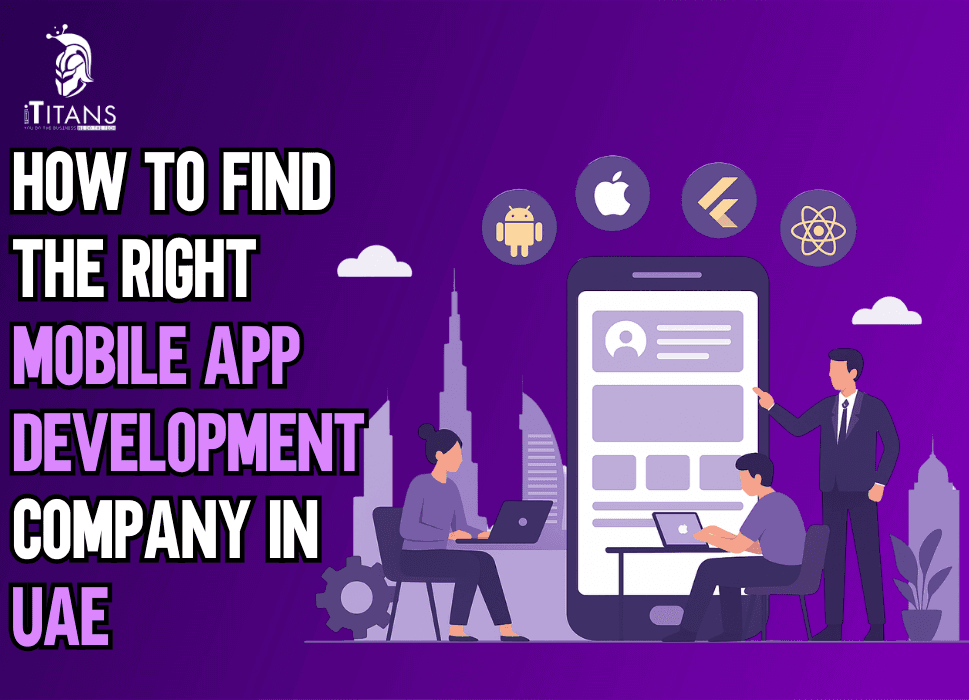
How To Find The Right Mobile App Development Company In UAE
UAE has become one of the world’s fastest-growing hubs for technology and innovation. With Dubai and Abu Dhabi leading the digital economy in the Middle East, businesses across various industries, from retail and finance to real estate and healthcare, are racing to create mobile apps that connect them with their customers.
Yet, finding the right mobile app development company in UAE is not as simple as doing a quick Google search and picking the first name that pops up.
This decision can shape the future of your business. Choosing the wrong partner can drain your budget, waste months of time, and leave you with a buggy app that users abandon. On the other hand, selecting the right partner ensures you get a high-performing, user-friendly app that strengthens your brand and generates long-term revenue.
In this guide, we’ll explore everything you need to know: the UAE’s app market trends, the criteria to evaluate an agency, how to avoid common pitfalls, and the exact questions to ask before hiring an app developer in UAE.

Why the UAE is a Hotspot for Mobile App Development
Before diving into how to find the right partner, it’s important to understand why the UAE is unique. Mobile apps here are not just about convenience, they are integral to the way people shop, pay bills, order food, and even manage government services.
According to UAE government reports, smartphone penetration is among the highest in the world, with over 95% of residents owning smartphones.
This environment has fueled the rise of hundreds of mobile app development companies in UAE, each promising to deliver the best solution. Competition is fierce, which benefits businesses because it pushes agencies to raise their standards.
But it also makes your decision harder, since every company claims expertise in Android app development, iOS app development, or cross platform app development.
UAE also brings unique considerations such as:
- Arabic localization: Ensuring apps support both English and Arabic seamlessly.
- Fintech and compliance: Apps that handle payments must meet UAE’s Central Bank requirements.
- Tourism and retail focus: With Dubai being a global tourism hub, apps in hospitality, retail, and events are in high demand.
This means that when you’re shortlisting the best mobile app developers in UAE, you must find a partner who not only has technical skills but also understands the cultural, legal, and industry-specific context of the region.
Signs of a Reliable App Development Company in Dubai or UAE
So, how do you separate the real professionals from those who only talk big? Here are the top indicators to look for when evaluating an app development company in Dubai or anywhere else in the UAE:
1. A Proven Portfolio
Always ask for previous work. A strong mobile app development company in UAE will have a portfolio that covers different industries—finance, healthcare, retail, education, or startups. Check the quality of their designs, app performance, and whether their apps are live on the App Store or Google Play.
2. Client Testimonials and Case Studies
Don’t just take their word for it. Look for detailed case studies that show the client’s problem, the development process, and the results achieved. Honest testimonials reveal how reliable the team is when it comes to deadlines, communication, and support.
3. Industry-Specific Knowledge
If you’re in fintech, e-commerce, or real estate, find out whether the app developers in UAE have worked on projects in your industry. Knowledge of compliance, payment integrations, or industry-specific APIs can save you costly mistakes.
4. Communication Practices
Many projects fail not because of poor coding but because of poor communication. A trustworthy partner will give you a dedicated point of contact, regular updates, and transparency in project management tools.
5. Post-Launch Support
The work doesn’t end when the app is live. Updates, bug fixes, and security patches are vital. That’s why you must confirm whether the app development company provides ongoing maintenance contracts.
Key Questions to Ask Before Hiring
Here are some practical questions to ask before hiring an app developer in UAE. These will help you uncover whether the company is the right fit:
- Can I see apps you’ve developed that are live on app stores?
- What industries have you served, and do you understand compliance in my sector?
- Do you provide both iOS and Android app development or specialize in one?
- What is your typical app development timeline for startups in Dubai?
- How do you handle Arabic localization and right-to-left (RTL) design?
- What post-launch support do you provide?
- How do you secure user data and ensure apps are safe?
- Can you give me a clear cost breakdown instead of a one-line estimate?
Understanding the Cost of Mobile App Development in UAE
One of the biggest concerns for any business is cost. You’ve probably asked yourself, “How much does mobile app development cost in UAE?” The answer is, it depends. The price can vary based on complexity, design requirements, features, and the type of company you hire.
Here’s a general breakdown (average market ranges):
- Simple app (basic features like login, content, simple CMS): AED 25,000 – AED 75,000.
- Medium complexity app (e-commerce features, payment gateways, location-based services): AED 75,000 – AED 250,000.
- High complexity app (AI integrations, real-time chat, video streaming, fintech-level security): AED 250,000+.
If you’re a startup, an experienced mobile app development company in UAE will suggest building a Minimum Viable Product (MVP) first. This saves money, helps you test your idea quickly, and attracts investors before committing to a full-fledged app.
Why Industry Knowledge Matters?
Let’s say you’re running a fintech startup in Dubai. Hiring a generic developer could result in delays or compliance issues if they don’t know the Central Bank’s rules or KYC requirements. On the other hand, an app development company for fintech apps in UAE already understands how to integrate secure payment gateways, user verification, and transaction monitoring.
Similarly, if you’re in e-commerce, you need developers who understand seamless checkout, inventory management, and integration with platforms like Shopify or Magento. That’s why industry-specific expertise should be high on your checklist.
Native vs Hybrid Development: What’s Best for You?
Another common question is whether to go for native apps or hybrid/cross-platform apps.
- Native apps: Higher performance, better user experience, but more expensive because you need two separate apps.
- Hybrid apps: Faster and cheaper to develop, but may lack the performance of native apps.
The right choice depends on your goals and budget. A trustworthy app development company in Dubai should explain the pros and cons clearly and recommend what suits your business—not just what suits their team’s comfort zone.
How Long Does App Development Take in Dubai?
On average:
- Simple apps: 2–3 months.
- Medium complexity: 4–6 months.
- High complexity: 6–12 months+.
A professional mobile app development company in UAE will give you a timeline based on milestones: design, backend setup, development, testing, and launch. Be wary of anyone promising a complex app in just a few weeks, it’s usually a red flag.

Common Mistakes Businesses Make When Hiring an App Development Company in UAE
Hiring the wrong partner is more common than you’d think. Many businesses fall into traps that end up costing them money, time, and credibility with their users. Let’s break down the most frequent mistakes you should avoid:
1. Choosing Based on Price Alone
Of course, budget matters. But selecting the cheapest option can backfire. Some agencies offer “low-cost” development, but they cut corners on security, testing, or user experience. In the long run, you’ll spend more fixing these issues than if you had invested in a reputable mobile app development company in UAE from the start.
2. Ignoring Post-Launch Support
An app isn’t finished once it’s uploaded to the App Store or Google Play. You’ll need bug fixes, security patches, and updates for new operating system versions. Companies that don’t offer post-launch services will leave you stranded. Always confirm that the app developers in UAE provide ongoing maintenance.
3. Overlooking Communication Practices
Clear communication is as important as coding. If a company doesn’t give you regular updates or avoids answering tough questions, that’s a red flag. The best app development companies in Dubai keep you in the loop with weekly progress reports, demos, and transparent discussions.
4. Failing to Check Portfolios Thoroughly
A shiny website isn’t enough. Ask to download and test their live apps. Check how fast they load, whether they crash, and how intuitive the design feels. If they can’t showcase real projects, it’s better to walk away.
5. Not Asking About Security
The UAE has strict regulations around data protection, especially for fintech, healthcare, and e-commerce apps. Make sure your mobile app developers in UAE understand encryption, secure APIs, and compliance standards.
How to Shortlist the Best Mobile App Developers in UAE
Now that you know the mistakes, let’s look at a practical process for shortlisting companies:
- Research Broadly First: Start with a wide pool of at least 10 companies. Use directories, Google searches for “best mobile app developers in UAE,” and recommendations from your network.
- Check Case Studies: Narrow the list down to agencies that can prove their impact. For instance, if you’re in retail, check whether they’ve built e-commerce apps that improved customer engagement or sales.
- Compare Tech Expertise: Some agencies specialize in Android app development UAE, while others focus on iOS app development Dubai or cross-platform frameworks like Flutter and React Native. Your choice depends on where your audience is most active.
- Ask About Timelines and Costs: When you ask, “How long does it take to build a mobile app in Dubai?” listen for realistic answers. If they promise complex features in a few weeks, it’s a red flag. Likewise, demand a transparent cost breakdown instead of vague numbers.
- Test Their Communication: Schedule a discovery call and notice how they respond to your questions. Are they patient? Do they explain technical concepts clearly? This will give you insight into what working with them long-term would feel like.
Comparing Top Mobile App Development Companies in UAE
You’ll notice that every agency claims to be the “top” in the market. Instead of relying on rankings alone, evaluate them on the following factors:
- Experience in Your Industry: A fintech app developer who knows about regulatory compliance is better than a generic developer with no financial background.
- Portfolio Quality: Look at app performance, design, and whether the apps are updated regularly.
- Client Reviews: Search for reviews on Google, Clutch, or LinkedIn to see what past clients say.
- Team Size & Skills: A company with a balanced team of designers, developers, QA testers, and project managers will ensure smoother delivery.
- Maintenance Contracts: Do they include updates, patches, and security in their packages?
When comparing agencies, create a scorecard with these criteria. Assign points to each company you’re considering. This will help you objectively choose the right app development company in Dubai instead of relying on gut feeling.
Why Arabic Localization Is Crucial?
One area often overlooked is localization. The UAE is a bilingual country, and many apps fail because they don’t offer Arabic properly. A top app development company in Dubai will ensure your app handles:
- Right-to-left (RTL) text alignment
- Proper font rendering for Arabic scripts
- Smooth switching between English and Arabic
- Localized payment gateways and date formats
Getting this right is not optional, it’s essential if you want your app to reach the wider UAE audience.
Industry-Specific Needs
Fintech
A fintech app development company in UAE must comply with Central Bank regulations, support secure payments, and implement KYC features.
Retail & E-Commerce
Apps in this industry need seamless shopping carts, order tracking, and integration with POS systems.
Real Estate
In the UAE, real estate apps are booming. Features like 3D property tours, virtual consultations, and secure document uploads are must-haves.
Tourism & Hospitality
With millions of visitors every year, apps in this sector need booking systems, multilingual support, and geolocation features.
If your app developer doesn’t understand these requirements, you’ll spend more time explaining than executing. That’s why industry expertise is a huge factor when choosing among the best app development companies in UAE.
The Role of Post-Launch Support
Think of your app like a car—it needs maintenance to keep running smoothly. Without regular updates, your app could face crashes, compatibility issues with new operating systems, and security vulnerabilities.
The right app development company in UAE will offer:
- 24/7 monitoring
- Bug fixes and patch releases
- Feature upgrades based on user feedback
- Security updates to protect against new threats
Be sure to ask about the cost of ongoing support when negotiating your contract.
Step-by-Step Checklist for Hiring the Right Mobile App Development Company in UAE
Choosing the best partner doesn’t have to be overwhelming if you follow a structured process. Here’s a practical checklist:
- Define Your App Goals Clearly
- What problem does your app solve?
- Who is your target audience (local UAE users, GCC, global)?
- What core features do you want in the first version?
- What problem does your app solve?
- Document these points before you even start contacting companies.
- Set a Realistic Budget
Have a range instead of a fixed number. For example, AED 75,000–150,000 for a mid-level app. This way, when speaking with app developers in UAE, you can immediately gauge if their pricing fits your capacity.
- Research and Shortlist
Use Clutch, Google, LinkedIn, and referrals to create a list of 8–10 potential mobile app development companies in Dubai and UAE.
- Check Their Experience
Request case studies relevant to your industry. If you’re building a logistics app, ask if they’ve worked with supply chain businesses before.
- Conduct Interviews
Treat it like hiring an employee. Ask technical, operational, and financial questions. Evaluate how well they explain things.
- Request Proposals
Each company should provide:
- Project scope
- Timeline (with milestones)
- Cost breakdown
- Maintenance plan
- Evaluate Technical Expertise
- Do they work with Swift and Kotlin for native apps?
- Do they offer Flutter or React Native for cross-platform apps?
- Do they follow Agile methodology for faster delivery?
- Do they work with Swift and Kotlin for native apps?
- Test Communication Flow
If they take 5 days to respond to your emails during the sales phase, imagine how long they’ll take once the project starts.
- Check Post-Launch Support
Confirm whether the mobile app development company in UAE includes bug fixes, server monitoring, and updates after launch.
- Finalize Contracts Carefully
Don’t sign until you’ve reviewed everything (we’ll cover this below).
Red Flags When Choosing App Developers in UAE
Some warning signs should immediately raise doubts about a company’s professionalism:
- No Portfolio or Case Studies: A reputable app development company in Dubai will proudly showcase their past work.
- Unrealistic Promises: If they say they’ll build a complex app in 3 weeks for AED 10,000, run.
- Vague Contracts: Lack of detail in contracts often means hidden costs later.
- Weak Communication: If they can’t explain technical terms in simple language, they may not be the right fit.
- No Maintenance Plan: Any company refusing to commit to post-launch support is a big risk.
Trust your instincts. If something feels off during initial discussions, it probably is.
Local vs Remote Mobile App Developers in UAE
When you search for the best mobile app development company in UAE, you’ll find both local and remote (international) options. Each has its pros and cons.
Local Developers (Within UAE)
- Easier communication due to time zone alignment
- Better understanding of UAE laws and regulations
- Familiarity with Arabic localization and user preferences
- Generally higher cost compared to remote teams
Remote Developers (Outside UAE)
- Lower costs, especially from regions like South Asia
- Access to a larger talent pool
- Communication barriers due to time zones and language
- Less understanding of local compliance requirements
Many businesses in UAE choose a hybrid model, a local app development company in Dubai that manages the project but collaborates with remote developers for cost efficiency.
Contract Essentials Before Hiring a Mobile App Development Company in UAE
Your contract is your safety net. Here’s what you must include:
- Scope of Work: Clear list of features to be developed. Avoid vague phrases like “basic functionality.”
- Timeline & Milestones: Example: “Prototype delivery in 4 weeks, Beta release in 10 weeks, Final launch in 16 weeks.”
- Payment Terms: Break payments into milestones (e.g., 20% upfront, 30% after design, 30% after development, 20% on delivery).
- Ownership Rights: Make sure YOU own the source code, not the agency.
- Maintenance & Support: Duration of free support after launch (e.g., 3–6 months) and rates for extended support.
- Confidentiality (NDA): Protects your app idea from being shared with competitors.
- Exit Clause: Terms in case either party wants to terminate the agreement.
A detailed contract saves you from misunderstandings and hidden costs.
Case Study: How Businesses in UAE Found the Right Partner
- Retail Example: A Dubai-based fashion retailer partnered with a mobile app development company in UAE to launch an e-commerce app with bilingual support. Within 6 months, app sales grew by 40%.
- Healthcare Example: A clinic in Abu Dhabi built a telemedicine app with video consultations. Choosing developers experienced in HIPAA compliance saved them from legal issues.
- Logistics Example: A UAE logistics startup launched a delivery tracking app. By hiring a company with strong backend expertise, they scaled to 50,000 active users in under a year.
These examples show why choosing the right partner makes a direct difference in results.

How to Avoid Risks While Hiring in UAE
- Start small with a pilot project before committing to a large contract.
- Always ask for weekly reports and demo builds.
- Use project management tools like Jira, Trello, or Asana to track progress.
- Hire a third-party QA tester if you don’t fully trust the company’s testing process.
- Keep legal agreements under UAE jurisdiction to ensure protection in disputes.
Build Your Mobile App with UAE’s Trusted Development Experts
Looking for expert mobile app developers in UAE who understand both technology and business goals? At ITitans Digital, we help businesses build powerful, scalable apps designed for real impact.
Contact us today to discuss your project and see how we can turn your idea into a fully functional mobile app.
Frequently Asked Questions (FAQs)
1. How much does it cost to hire a mobile app development company in UAE?
The cost typically ranges from AED 50,000 to AED 250,000 depending on app complexity, features, and whether you choose native or cross-platform development.
2. What is the average timeline for mobile app development in UAE?
Most mobile apps take between 3 to 6 months to build, but advanced apps with custom features may require up to a year.
3. Should I choose a local UAE app development company or outsource internationally?
Local companies provide better communication and legal compliance, while outsourcing may lower costs but comes with risks in quality and time zones.
4. Do UAE app development companies provide post-launch support?
Yes, most professional companies in Dubai and Abu Dhabi offer 3–6 months of free maintenance, followed by paid support plans.
5. How can I verify the credibility of an app development company in UAE?
Check their portfolio, client reviews on Clutch or Google, and ask for case studies relevant to your industry.
6. What industries do UAE mobile app developers specialize in?
Companies in UAE often work with industries like retail, real estate, healthcare, logistics, and fintech, with expertise in both B2B and B2C apps.