
How Mobile Apps Leverage Big Data for Personalization
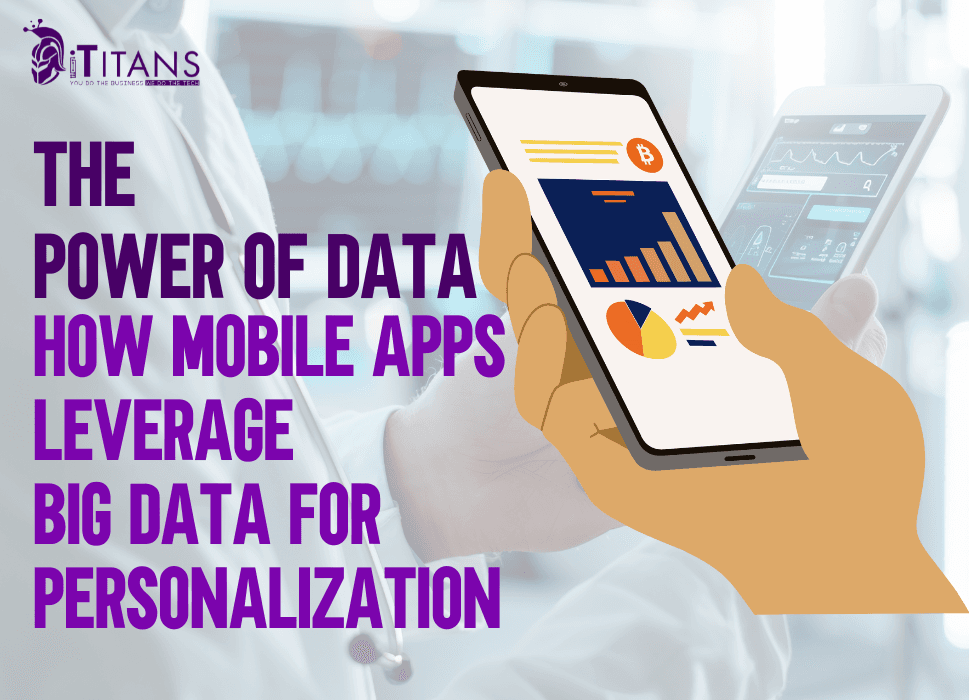
In today’s interconnected digital world, data has become the new oil, fueling innovations and reshaping industries across the board. Among the myriad platforms benefiting from the data revolution, mobile applications stand out as the most significant players.
As of 2025, there are over 7.5 billion mobile users worldwide, with over 255 billion mobile app downloads recorded in 2024 alone. These staggering numbers underline the immense potential of data generated by mobile applications daily.
The power of data lies not just in its volume, but in how effectively it is harnessed. Modern mobile apps utilize big data technologies to provide deeply personalized experiences, enhancing user satisfaction, engagement, and retention.
Personalization has become a baseline expectation. Whether it’s the music you hear on Spotify, the content you scroll through on TikTok, or the shopping recommendations on Amazon, big data is the silent orchestrator behind the scenes. To give you a better understanding, we are going to discuss how mobile apps leverage big data for personalization.
Understanding Big Data in Mobile Applications
Big data refers to large volumes of structured and unstructured data that are generated at high velocity and variety. Mobile apps, by their very nature, are massive data generators. Every swipe, tap, or voice command can be transformed into meaningful insights.
These data sets come from various sources including user behavior, app usage patterns, location services, transaction records, social media integration, and sensor data from smart devices. The challenge lies in processing this data efficiently to derive actionable insights. This is where technologies like AI (Artificial Intelligence), machine learning, cloud computing, and real-time analytics come into play.

Why Personalization Matters More Than Ever
In a crowded app marketplace, personalization can be the key differentiator. According to a 2024 report by McKinsey, 71% of consumers expect companies to deliver personalized interactions, and 76% get frustrated when this doesn’t happen.
Personalization enhances the user experience (UX), which directly influences user loyalty and monetization. For mobile apps, this means offering content, services, or features tailored to the individual’s preferences, behaviors, and real-time context.
From push notifications that match user interests, to dynamic in-app content layouts, to customized onboarding experiences, personalization is baked into every successful mobile app today.
Key Techniques Mobile Apps Use to Personalize Experiences with Big Data
Behavioral Analytics
Apps like Netflix and YouTube use behavioral data such as watch history, likes, and search queries to recommend new content. This kind of behavioral profiling allows apps to predict user preferences and deliver more relevant experiences. Machine learning algorithms sift through terabytes of behavioral data to segment users and build profiles. These profiles become the foundation for targeted interactions.
Location-Based Customization
Apps like Uber, Google Maps, and even dating apps like Tinder leverage geolocation data to personalize offerings based on where users are physically located. For example, a food delivery app might highlight popular restaurants near your current location or adjust its recommendations depending on local events or weather.
Predictive Analytics
Predictive models are trained using historical data to anticipate future behavior. Shopping apps might suggest items based on past purchases, while health and fitness apps may recommend exercises based on recent activity trends. According to a study by Statista, predictive analytics in the mobile app sector is expected to grow into a $10.9 billion industry by 2026.
Natural Language Processing (NLP)
Voice-based assistants and chatbots use NLP to understand and respond to user queries. Apps like Google Assistant or Siri tailor responses based on personal history and communication style. NLP helps interpret user intent and adjust accordingly, enabling a conversational user interface that feels uniquely personalized.
A/B Testing and Real-Time Feedback Loops
Many apps use A/B testing to identify which personalized features resonate most with users. By showing different versions of content to different users and monitoring engagement, developers can optimize the user experience on the fly. Real-time feedback mechanisms also help collect data to fine-tune personalization efforts, ensuring users remain engaged and satisfied.
Industries Where Big Data-Powered Mobile App Personalization Shines
E-Commerce
Retail apps such as Amazon and Alibaba have revolutionized shopping by integrating big data-driven recommendations, personalized discounts, and adaptive user interfaces. With AI-powered product suggestions contributing to over 35% of Amazon’s revenue, the importance of personalization in e-commerce is indisputable.
Healthcare
Mobile health apps use personal data like sleep patterns, heart rate, activity level, and medication schedules to offer tailored advice. With wearables syncing with apps, users receive timely reminders and health insights based on their individual profiles.
Finance
Banking and fintech apps like Mint or PayPal use big data to monitor spending habits, flag unusual activity, and offer financial tips or credit suggestions. Personal finance apps are increasingly relying on AI to provide budgeting advice tailored to each user’s spending habits.
Entertainment and Media
Streaming apps have set the gold standard for content personalization. By analyzing what users watch, skip, or replay, platforms serve up content that matches their tastes, thereby boosting watch time and reducing churn.
Challenges in Leveraging Big Data for Mobile App Personalization
Despite its benefits, working with big data poses several challenges that we have mentioned below:
1. Data Privacy and Security
One of the most pressing challenges in using big data for mobile app personalization is ensuring data privacy and security. As mobile apps collect vast amounts of user information—from browsing behavior and location to purchase history and preferences, users become increasingly concerned about how their data is stored and used.
Mishandling personal data or suffering a security breach can not only result in legal consequences due to stringent data protection laws like GDPR and CCPA but also erode user trust. App developers must implement robust encryption protocols, secure data storage mechanisms, and transparent privacy policies to address these concerns effectively.
Moreover, personalization often requires collecting sensitive behavioral data, which raises ethical questions about consent and transparency. Users expect a tailored experience but may not fully understand how much of their personal information is being analyzed to make it happen.
This disconnect can lead to backlash if users feel manipulated or surveilled. Therefore, app developers must strike a delicate balance, providing value through personalization while maintaining the highest standards of privacy and data ethics.
2. Data Silos
Data silos are another significant obstacle when it comes to effectively using big data for app personalization. Often, different departments or tools within an organization collect and store data independently, resulting in fragmented datasets that don’t communicate with each other.
This lack of integration makes it difficult to create a holistic view of the user, which is essential for delivering a truly personalized mobile experience. For instance, user behavior data from the app may not sync with customer service records or website interactions, leading to inconsistent personalization efforts.
When data remains compartmentalized, it undermines the potential of advanced analytics and machine learning models that rely on diverse datasets for accuracy. This fragmentation can also delay decision-making, as analysts and developers spend more time cleaning and integrating data than acting on insights.
To combat this, companies must invest in data integration platforms and encourage a culture of cross-departmental collaboration. Only by breaking down data silos can organizations unlock the full power of big data for seamless mobile personalization.
3. Real-Time Processing
Personalization in mobile apps is most impactful when it occurs in real time, offering immediate responses based on user actions. However, real-time data processing poses a technical challenge due to the sheer volume, variety, and velocity of incoming data.
Mobile users expect apps to adapt instantly, whether it’s a shopping app recommending products based on recent views or a news app prioritizing stories based on reading habits. Processing this information on the fly requires high-performance computing infrastructure, which not all businesses can afford or manage efficiently.
Beyond the technical infrastructure, real-time personalization demands robust data pipelines that can capture, analyze, and respond to user behavior in milliseconds. Any lag or delay can frustrate users and diminish the personalized experience.
Furthermore, mobile environments add another layer of complexity due to connectivity issues and device limitations. Developers need to optimize data processing algorithms for speed and efficiency while ensuring consistency across various user devices and network conditions. Real-time personalization is powerful but achieving it requires a significant investment in technology and talent.
4. Bias in Data Models
Bias in data models is a subtle yet serious challenge in leveraging big data for mobile app personalization. Since machine learning algorithms learn from historical data, any pre-existing biases in that data, whether related to gender, ethnicity, location, or behavior can lead to skewed and unfair outcomes.
For example, a shopping app might consistently recommend lower-priced products to users from certain demographics based on historical purchasing data, thereby reinforcing stereotypes or excluding users from discovering premium offerings. These unintentional biases can harm user trust and even lead to reputational damage for the brand.
The issue becomes more critical as apps aim for deeper personalization. If the models are not carefully audited and monitored, they can perpetuate discrimination or create a narrow feedback loop where users are only exposed to content that aligns with their previous behavior, limiting discovery and diversity.
Addressing bias requires a conscious effort to build diverse training datasets, incorporate fairness metrics in model evaluation, and regularly update algorithms to reflect changing user patterns. Ethical personalization isn’t just about relevance, it’s also about fairness, inclusivity, and responsibility.
By acknowledging and addressing these challenges, data privacy and security, data silos, real-time processing, and bias in data models, developers and businesses can create mobile apps that not only deliver highly personalized experiences but also uphold ethical standards and earn user trust.
As mobile technology evolves, the strategic use of big data must be paired with thoughtful planning and responsible data governance. Only then can the true power of data-driven personalization be fully realized.

How to Maintain Integrity and Privacy While Using User Data for Mobile App Development
Before diving into strategies, it’s essential to understand why user data privacy matters. Data privacy refers to the appropriate handling, processing, and storage of personal information. In mobile apps, this includes everything from user names, emails, and location data to behavioral analytics and financial details.
A breach of this trust can damage brand reputation, lead to regulatory fines, and most importantly, put users at risk. Therefore, developers must embed privacy into the app design from the start—a concept known as Privacy by Design.
Implementing Privacy by Design Principles
Privacy by Design is a proactive approach that integrates privacy controls into the entire development process. This principle encourages developers to think about privacy at every stage—from concept to deployment. Key practices include:
Data Minimization: Only collect data that is essential for the app’s functionality. Avoid gathering excessive or unnecessary user information.
Default Privacy Settings: Ensure that privacy-friendly settings are enabled by default, without requiring users to opt in manually.
Embedded Security: Incorporate data protection features within the architecture, such as end-to-end encryption or biometric authentication.
Transparency: Make data usage clear through in-app notifications or privacy dashboards.
By prioritizing privacy early on, developers prevent costly fixes and enhance user trust.
Transparency Through Clear Privacy Policies
One of the fundamental ways to maintain integrity is through clear and accessible privacy policies. Users should never be left guessing about what data is being collected, how it will be used, or with whom it may be shared. A well-drafted privacy policy should include: Types of data collected
· Purpose of data usage
· Third-party data sharing practices
· User rights (access, delete, or modify data)
· Data retention timelines
Make sure the language is simple and jargon-free, especially since the target audience includes non-technical users.
Using Robust Data Encryption Techniques
Data encryption is the backbone of secure mobile app development. It ensures that even if data is intercepted or accessed without permission, it remains unreadable. There are two main types of encryption to consider:
· At-Rest Encryption: Protects stored data on the user’s device or server.
· In-Transit Encryption: Safeguards data as it travels between the app and remote servers, often using HTTPS and TLS protocols.
Additionally, leveraging secure key management is vital to prevent unauthorized access to encrypted data.
Gaining Explicit User Consent
User consent must be informed, explicit, and freely given. This means you can’t hide permissions in long, unreadable terms. Every time the app requests access to sensitive data (like location, contacts, or camera), it should clearly explain why the information is needed and how it will benefit the user.
For example:
“This app needs access to your location to recommend local deals in real-time. We do not store your location history.”
This builds transparency and empowers users to make decisions based on their comfort level.
Providing Data Control to Users
Empowering users with control over their data is a powerful trust-building strategy. This includes features like:
Opt-in and Opt-out Options: For marketing messages or third-party data sharing.
Data Download or Export Features: Let users retrieve their information in a readable format.
Account Deletion and Data Removal: Make it easy for users to permanently delete their data from your servers.
These options reinforce the message that user rights are respected.
Secure Third-Party Integrations
Most apps rely on third-party services for analytics, advertisements, or authentication. However, each integration increases the risk of data exposure if not handled correctly. To minimize this risk:
· Vet third-party vendors thoroughly.
· Review their privacy policies to ensure alignment with your values.
· Limit data sharing to what’s absolutely necessary.
· Use sandboxing techniques to isolate sensitive components.
· Transparency with users about these integrations is also essential.
Training Your Development Team
Ensuring privacy and integrity is not a one-time event; it’s a continuous process that involves your entire development team. Conduct regular security and privacy training, and establish clear protocols for handling data breaches or compliance issues. Encourage a culture where developers are vigilant, accountable, and ethical in their approach to data handling.
Regular Privacy Audits and Updates
Just like software updates, your privacy measures need to evolve. Conduct periodic audits to review what data is collected, how it’s stored, and who has access to it. If you find inconsistencies or outdated practices, act quickly to fix them. Also, inform users about any major changes to the privacy policy through in-app announcements or email updates.

The Role of iTitans in Delivering Big Data-Powered Personalization Solutions
At the forefront of digital transformation, iTitans offers cutting-edge solutions that help businesses harness the full potential of big data through mobile applications. With a team of seasoned data scientists, AI engineers, and mobile app developers, iTitans brings a comprehensive approach to building personalized user experiences.
Customized App Development
iTitans specializes in designing and developing mobile apps with built-in big data analytics capabilities. Their apps are designed to seamlessly collect and process user data, creating opportunities for intelligent personalization from day one.
Big Data Integration and Infrastructure
Leveraging platforms like AWS, Google Cloud, and Azure, iTitans builds scalable data lakes and pipelines that allow real-time data processing. This enables apps to deliver instant and relevant user interactions.
AI and Machine Learning Implementation
Whether it’s recommendation engines, sentiment analysis, or predictive modeling, iTitans incorporates state-of-the-art AI to help apps learn from user behavior and improve over time. Their solutions ensure that personalization evolves with the user.
Compliance and Data Security
Understanding the gravity of data privacy, iTitans ensures all their solutions are GDPR and CCPA compliant, implementing robust encryption, anonymization, and user consent protocols.
Ongoing Optimization and Analytics
iTitans doesn’t just build apps—they continuously monitor performance, conduct A/B testing, and refine personalization algorithms to ensure clients achieve sustained engagement and revenue growth.
FAQs
What is big data and how does it relate to mobile apps?
Big data refers to extremely large sets of structured and unstructured information that are analyzed for insights. In the context of mobile apps, big data is used to understand user behavior, preferences, and interactions. Companies like iTitans utilize big data to create intelligent, user-centric mobile experiences that adapt to each individual’s needs.
How do mobile apps collect big data from users?
Mobile apps collect data through user inputs, location tracking, in-app interactions, sensors, and usage patterns. This data is then processed and analyzed in real time. iTitans ensures ethical data collection practices with secure APIs and privacy-first frameworks to protect user information.
How does big data improve mobile app personalization?
Big data enables mobile apps to deliver personalized content, offers, and recommendations by analyzing user history and behavioral trends. With iTitans’ development approach, apps can dynamically adjust interfaces and features to align with user expectations, improving engagement and satisfaction.
What industries benefit most from data-driven mobile personalization?
Industries such as eCommerce, healthcare, finance, fitness, and entertainment see significant gains from personalized mobile experiences. iTitans crafts solutions that cater to these sectors, ensuring tailored functionality, higher retention, and deeper customer insights.
What role does artificial intelligence play in app personalization using big data?
AI works alongside big data to automate pattern recognition, predictive modeling, and user segmentation. This synergy allows apps developed by iTitans to offer real-time personalization, proactive support, and smarter decision-making features, elevating the user journey.
Are there privacy risks when apps use big data for personalization?
Yes, without proper measures, privacy can be at risk. That’s why iTitans emphasizes GDPR and CCPA compliance, encrypted data storage, and clear user consent protocols to ensure safe, transparent data handling in all mobile app solutions.
Can small businesses also use big data in their mobile apps?
Absolutely. Even small businesses can harness the power of big data through affordable analytics tools and customized app features. iTitans helps SMEs integrate scalable big data solutions that fit their budget and growth strategy without compromising performance.
How can I get a mobile app developed that uses big data personalization?
You can start by contacting a trusted mobile development partner like iTitans. They provide end-to-end services from data strategy consultation to app design, development, and deployment—making sure your app leverages big data effectively for unmatched user personalization.
Conclusion
The fusion of big data and mobile apps is shaping the future of user interaction. As mobile apps continue to dominate the digital landscape, personalization powered by big data will be the cornerstone of successful user engagement strategies. From improving customer retention to driving conversions, the benefits are undeniable.
Yet, the journey from raw data to personalized experiences requires expertise, infrastructure, and strategic execution. This is where companies like iTitans make a significant difference, offering end-to-end solutions that unlock the true power of data.
In an era where user expectations are higher than ever, personalization is no longer optional. With the right data, the right tools, and the right partner, mobile apps can evolve from being functional to becoming indispensable. Contact iTitans now and let us help you build mobile apps leveraging the top-notch data analysis feature and the right predictive analysis tools.
Related Posts