
How Mobile Apps are Transforming the Healthcare Industry
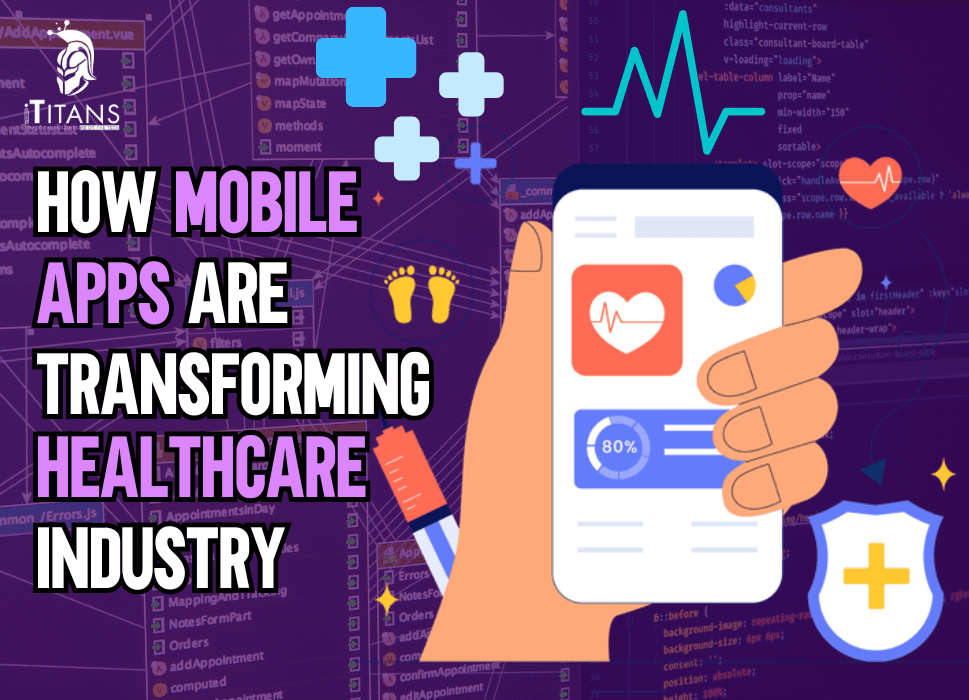
The healthcare industry is going through one of the biggest digital changes in its history. At the center of this transformation are mobile healthcare apps, which are reshaping how patients receive care, how doctors manage treatment, and how healthcare organizations operate every day.
From booking appointments and tracking vital signs to remote consultations and AI-powered diagnostics, mobile apps are making healthcare faster, smarter, and more accessible.
Today, healthcare mobile app development has become the need of time. According to recent industry reports, over 350,000 healthcare apps are available globally, and the global mobile health (mHealth) market is expected to surpass USD 330 billion by 2030, growing at a steady double-digit rate. This rapid growth clearly shows how deeply mobile apps are embedded in modern healthcare systems.
In this article, we will explore how mobile apps are transforming the healthcare industry, key technologies driving this change, real-world examples of leading companies, and how iTitans plays a vital role in delivering healthcare-focused digital platforms that meet today’s demands.
Rise of Mobile Apps in Healthcare
Healthcare has traditionally relied on in-person visits, paperwork, and slow communication. Mobile apps have changed this by bringing medical services directly into people’s hands. With smartphones becoming nearly universal (used by over 85% of adults worldwide) healthcare apps now serve as digital gateways to care.
Patients can easily access medical records, receive reminders for medications, consult doctors remotely, and even monitor chronic conditions without frequent hospital visits. For healthcare providers, mobile apps improve workflow efficiency, reduce administrative burden, and help deliver better patient outcomes.
This shift toward digital healthcare services also supports preventive care. Instead of reacting to illness, healthcare apps encourage users to track fitness, nutrition, sleep, and mental health, helping detect potential problems early.

Improved Patient Access and Convenience
One of the most significant ways mobile apps are transforming healthcare is by improving access. Many people live far from medical facilities or face long waiting times. Mobile healthcare apps remove these barriers by offering instant access to healthcare services.
For Patients
Patients can book appointments, consult specialists through video calls, and receive test results without visiting clinics. This is especially valuable in rural areas and developing regions where medical resources are limited.
Impact During Covid-19
Telemedicine apps saw massive growth during and after the COVID-19 pandemic. Statistics show that telehealth usage increased by over 300% compared to pre-pandemic levels, and adoption continues to remain strong. Mobile apps have become a trusted channel for delivering care efficiently and safely.
Better Patient Engagement and Personalized Care
Healthcare apps are no longer limited to basic features. Today’s apps focus heavily on patient engagement and personalization. By collecting data such as activity levels, heart rate, glucose levels, and medication adherence, apps help doctors tailor care plans to individual needs.
Customized for Healthcare
Personalized notifications, reminders, and educational content keep patients actively involved in their health journey. Studies show that engaged patients are up to 30% more likely to follow treatment plans, leading to better outcomes and lower healthcare costs.
Mobile apps also support mental health by offering guided therapy sessions, mood tracking, and stress management tools. These features help reduce stigma and make mental healthcare more approachable.
Remote Monitoring and Chronic Disease Management
Chronic diseases such as diabetes, heart disease, and asthma require continuous monitoring. Mobile apps combined with wearable devices allow real-time tracking of vital health metrics. This data is shared with healthcare providers, enabling timely intervention when needed.
Remote patient monitoring has proven effective in reducing hospital readmissions. Research indicates that remote monitoring programs can reduce readmissions by up to 50% for certain chronic conditions. This not only improves patient quality of life but also lowers healthcare costs significantly.
Mobile healthcare platforms also support elderly care by enabling caregivers and doctors to monitor patients remotely, ensuring safety and quick response in emergencies.
Data-Driven Decisions and AI Integration
Healthcare mobile apps generate vast amounts of data. When analyzed properly, this data helps healthcare providers make informed decisions. Artificial intelligence (AI) and machine learning are increasingly integrated into mobile healthcare platforms to analyze patient data, predict risks, and assist with diagnosis.
AI-powered apps can detect early signs of diseases, suggest treatment options, and improve clinical accuracy. For example, AI-based diagnostic apps can now identify skin conditions, heart irregularities, and eye diseases with impressive accuracy.
By combining AI with mobile app development, healthcare organizations can deliver smarter care experiences while maintaining efficiency.
Enhanced Security and Compliance
Healthcare data is highly sensitive, and mobile apps must meet strict security standards. Modern healthcare app development focuses heavily on data encryption, secure authentication, and compliance with regulations such as HIPAA.
Advanced security features ensure patient trust while allowing seamless access to healthcare services. As cybersecurity threats grow, healthcare apps continue to evolve with stronger protection measures to safeguard patient information.
Leading Companies Driving Healthcare App Innovation
Several companies worldwide are leading innovation in healthcare mobile app development. Below are a few notable names, along with their location, expertise, and average online ratings:
- Philips Healthcare (Netherlands)
Expertise: Digital health platforms, remote patient monitoring, and medical device integration
Average Rating: Around 4.3/5 across platforms like G2 and industry reviews - Cerner Corporation (United States)
Expertise: Healthcare IT systems, patient engagement apps, and electronic health records
Average Rating: Approximately 4.1/5 based on user feedback and professional reviews - Teladoc Health (United States)
Expertise: Telemedicine apps, virtual care platforms, and remote consultations
Average Rating: Around 4.4/5 on healthcare technology review platforms - Babylon Health (United Kingdom)
Expertise: AI-driven healthcare apps, symptom checking, and virtual medical advice
Average Rating: Close to 4.2/5 across app stores and review sites
These companies highlight how mobile healthcare services are shaping the future of medical care through innovation and user-focused design.

Role of Mobile App Development Services in Healthcare
Behind every successful healthcare app is a strong mobile app development process. Healthcare organizations rely on experienced development teams to create apps that are secure, scalable, and user-friendly.
Key services involved include mobile app development, UI/UX designing, backend system integration, cloud infrastructure, and ongoing maintenance. Healthcare apps must be intuitive for patients of all age groups while meeting strict regulatory standards.
The demand for custom healthcare app development services continues to grow as hospitals, clinics, and startups invest in digital platforms that enhance care delivery.
Regulation and Compliance Are Mission-Critical
One of the biggest differences between healthcare and most traditional mobile apps is the need to comply with strict healthcare regulations. For example the U.S. based apps that handle protected health information (PHI) must comply with HIPAA rules, which dictate how sensitive patient data is stored, transmitted, and accessed securely. Healthcare apps often undergo rigorous review to make sure they meet privacy, confidentiality, and medical safety standards.
Integration With Medical Systems and Devices
Healthcare mobile apps usually talk to other systems. It involves things like electronic health records (EHRs), wearable devices, glucose monitors, and even hospital databases. For instance, Apple’s Health app can pull in step counts, blood pressure, and glucose levels from smart devices and clinicians can import that data into treatment plans.
Personalized and Clinical Decision Support
Healthcare apps often use data to support clinical decisions or offer personalized recommendations based on someone’s medical history and symptoms. Apps like Flo (a menstrual and health tracking app with over 380 million downloads) provide personalized cycle tracking and symptom insights rather than generic tips.
Data Sensitivity and Security Needs Are Much Higher
Healthcare apps handle extremely sensitive personal data, health conditions, vitals, medication schedules, genetic info, and more. Protecting that data isn’t just good practice; it’s essential. Serious consequences (legal penalties, identity exposure, or misdiagnosis) can happen if data leaks or is misused.
Real-Time Monitoring & Alerts
One remarkable feature of healthcare apps is real-time health monitoring something most traditional mobile apps don’t even think about. Healthcare apps can continuously track symptoms, vital signs, or chronic disease markers and trigger alerts to both users and clinicians when something’s amiss. This proactive capability can lead to earlier interventions and better outcomes.
Telemedicine & Remote Care
Healthcare apps are transforming how we access care itself. Telemedicine apps let users consult healthcare professionals through secure video calls, text messaging, and even share medical records instantly. Traditional apps can connect people socially or economically, but they rarely serve as a primary access point to professional services.
Personalized Reminders and Behavioral Support
One of the biggest advantages of healthcare apps is helping people stick to treatment plans. From medication reminders to daily exercise prompts, these apps use push notifications to encourage healthy behaviors. Research has shown that health apps improve long-term condition adherence and can lower avoidable hospital visits by giving consistent, personalized support.
Huge Market Growth and Adoption Trends
Healthcare mobile apps aren’t niche anymore they’re massive and rapidly growing. The mHealth market is expected to grow from around USD 40–45 billion in 2025 to over USD 110+ billion by 2034, with double-digit compound growth each year.
Enhanced Patient-Provider Engagement
Healthcare mobile apps connect patients and providers like never before. Users can send messages, share health data, schedule appointments, and communicate directly with care teams all through the same app. This reinforces continuous engagement rather than episodic visits limited to a clinic setting.
Traditional apps connect users socially or commercially, but healthcare apps bridge a professional-patient relationship. That requires thoughtful UX design, clinician workflows, and support for secure communication that respects privacy while making healthcare feel accessible.
Better Accessibility and Equity in Care
Healthcare mobile apps help break down barriers that traditional healthcare systems often create transportation issues, appointment wait times, and geography. A person in a rural town can now consult a doctor virtually, track vital signs, or get support for mental health without leaving home. These apps deliver 24/7 access and on-demand care in ways that traditional healthcare systems usually don’t offer.
Continuous Evolution Through AI and Predictive Analytics
Healthcare mobile apps increasingly harness AI and predictive analytics to uncover trends in health data and anticipate issues before they escalate. This kind of predictive insight something traditional apps rarely use gives providers the ability to intervene earlier and personalize care based on trends rather than just snapshots.
From analyzing symptom patterns to offering personalized wellness tips, AI is helping health apps become smarter and more effective every day.

How iTitans Supports Healthcare Digital Transformation
iTitans plays a significant role in helping healthcare organizations embrace digital innovation. Based in the United States with a global reach, iTitans is a full-service software development company known for its expertise in mobile app development, website development, and software engineering.
In the healthcare sector, iTitans helps organizations build reliable mobile platforms that improve patient engagement, streamline operations, and support remote care. Their approach focuses on user-friendly design, strong security practices, and scalable architecture to meet evolving healthcare needs.
iTitans offers a wide range of services that align perfectly with modern healthcare demands, including:
- Mobile App Development for patient portals, telemedicine platforms, and monitoring apps
- UI/UX Designing to ensure accessibility and ease of use for all users
- Software Development for healthcare management systems and integrations
- MVP Development for healthcare startups launching innovative ideas
- Digital Transformation services that modernize legacy healthcare systems
- SEO and Digital Marketing to help healthcare brands reach the right audience
- Staff Augmentation to support healthcare IT teams with skilled professionals
With a strong focus on quality and innovation, iTitans consistently earns positive feedback, with average online ratings around 4.5/5, reflecting client satisfaction and trust.
By combining technical expertise with healthcare industry understanding, iTitans helps organizations deliver digital healthcare platforms that truly make a difference.
Future of Mobile Apps in Healthcare
The future of healthcare is mobile-first. Emerging technologies such as 5G, AI, blockchain, and augmented reality will further enhance healthcare apps. Faster connectivity will support real-time video consultations, while AI will continue to improve diagnostics and predictive care.
Healthcare apps will also play a key role in population health management by analyzing large datasets to identify trends and improve public health strategies. As patients become more comfortable with digital healthcare services, adoption will continue to rise.
Industry forecasts suggest that by 2028, over 70% of patient interactions will involve digital healthcare tools, with mobile apps leading the way.
Mobile apps are transforming the healthcare industry by making care more accessible, personalized, and efficient. From telemedicine and remote monitoring to AI-powered insights and secure data management, healthcare mobile apps are redefining how care is delivered and experienced.
Companies around the world are investing heavily in healthcare app development services to meet growing patient expectations and improve outcomes. At the same time, technology partners like iTitans are helping healthcare organizations navigate digital transformation with confidence.
Let us contribute to the cause of making the healthcare industry better one app at a time. Contact iTitans today and let our experts build an app that redefines digital transformation in healthcare industry.
FAQs
How are mobile apps improving access to healthcare services?
Mobile apps make healthcare more accessible by allowing patients to book appointments, consult doctors remotely, and access medical records anytime. This is especially beneficial for people in rural or underserved areas. Telemedicine apps reduce travel time and costs while ensuring timely care. As a result, patients receive faster and more convenient medical support.
In what ways do healthcare mobile apps enhance patient engagement?
Healthcare apps encourage patients to take an active role in their health through reminders, educational content, and progress tracking. Features like medication alerts and wellness goals improve adherence to treatment plans. Interactive dashboards help users understand their health data better. This ongoing engagement leads to better health outcomes.
How are mobile apps supporting remote patient monitoring?
Mobile apps connect with wearable devices to track vital signs such as heart rate, blood pressure, and glucose levels in real time. Doctors can monitor patients remotely and detect early warning signs of health issues. This reduces hospital visits and allows for timely interventions. It is especially useful for managing chronic conditions.
What role do mobile apps play in telemedicine?
Telemedicine apps enable virtual consultations through video calls, chats, or voice communication. Patients can receive diagnoses, prescriptions, and follow-up care without visiting a clinic. These apps save time for both doctors and patients. They also help healthcare systems manage high patient volumes more efficiently.
How do mobile apps help in managing chronic diseases?
Mobile apps assist chronic disease management by tracking symptoms, medications, and lifestyle habits. They provide personalized insights and alerts to prevent complications. Patients can share real-time data with healthcare providers for better treatment adjustments. This leads to improved disease control and quality of life.
Are mobile healthcare apps improving data accuracy and record management?
Yes, mobile apps digitize medical records, reducing errors caused by manual documentation. Electronic health records can be updated in real time and shared securely among healthcare providers. This ensures continuity of care and better clinical decisions. Accurate data also improves patient safety and treatment efficiency.
How are mobile apps contributing to preventive healthcare?
Healthcare apps promote preventive care by offering health tips, screenings, and early symptom checks. Fitness and wellness apps encourage healthy habits such as exercise and balanced nutrition. Early detection features help identify risks before they become serious. This proactive approach reduces long-term healthcare costs.
What benefits do healthcare professionals gain from mobile apps?
Healthcare professionals use mobile apps to access patient data, clinical guidelines, and diagnostic tools quickly. Apps streamline administrative tasks like scheduling and documentation. This improves workflow efficiency and reduces burnout. Clinicians can focus more on patient care rather than paperwork.
How do mobile apps improve medication management and adherence?
Medication management apps send reminders, track dosages, and alert users about missed medications. Some apps also warn about drug interactions and side effects. This helps patients follow prescriptions accurately. Improved adherence leads to better treatment outcomes and fewer hospital readmissions.
What is the future impact of mobile apps on the healthcare industry?
The future of healthcare apps includes AI-driven diagnostics, personalized treatment plans, and predictive analytics. Integration with wearable devices and smart sensors will continue to grow. These innovations will make healthcare more efficient, data-driven, and patient-centered. Mobile apps are set to become a core component of modern healthcare systems.
How are mobile apps improving clinical decision-making?
Mobile apps provide healthcare professionals with instant access to patient data, clinical guidelines, and diagnostic tools. This helps doctors make faster and more accurate decisions. Real-time data analysis supports evidence-based treatment. Improved decision-making leads to better patient outcomes.
Can mobile apps reduce healthcare costs?
Yes, mobile apps help reduce healthcare costs by minimizing unnecessary hospital visits and admissions. Telemedicine and remote monitoring lower operational expenses. Preventive care features also help detect health issues early. These cost savings benefit both patients and healthcare providers.
Are mobile healthcare apps suitable for elderly patients?
Many healthcare apps are designed with user-friendly interfaces suitable for elderly patients. Features like large fonts, voice commands, and simple navigation improve usability. Apps help seniors manage medications and appointments independently. This supports aging in place and improves quality of life.
How are mobile apps transforming medical education and training?
Mobile apps provide healthcare professionals with access to medical resources, tutorials, and case studies. They support continuous learning and skill development. Simulation and AR-based apps enhance practical training. This leads to better-prepared healthcare professionals.
How do mobile apps support personalized healthcare?
Mobile apps collect individual health data to deliver tailored recommendations and treatment plans. Personalization improves patient engagement and treatment effectiveness. Apps adapt content based on user behavior and preferences. This patient-centric approach enhances healthcare experiences.