
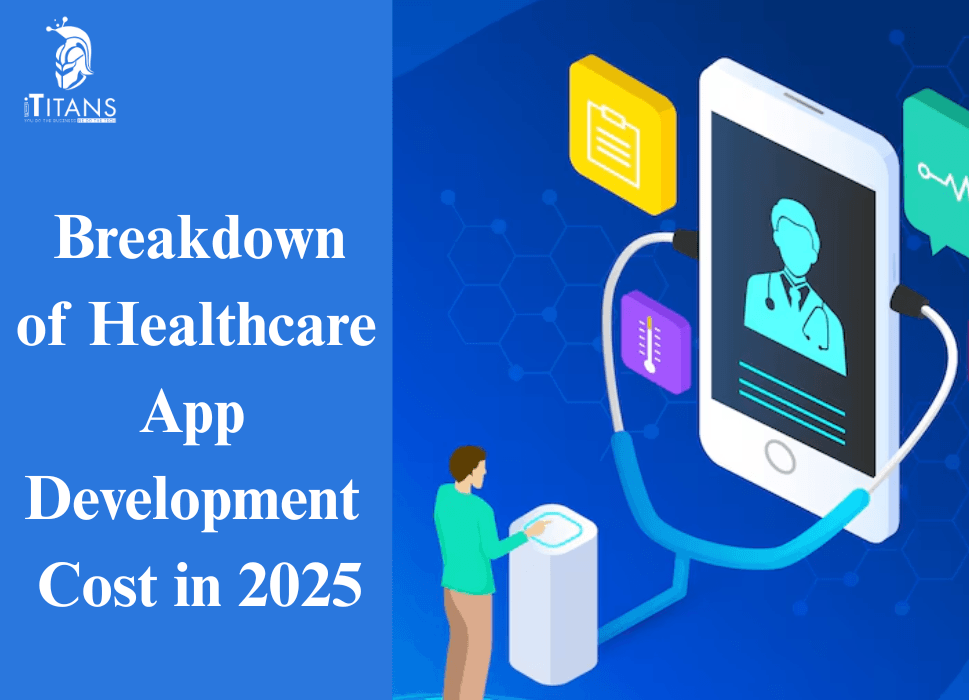
Healthcare App Development Cost in 2025
If your healthcare app idea could save lives, don’t let the price tag scare you, master it.
The healthcare industry is in the middle of a digital revolution. With rapid advancements in telemedicine, AI diagnostics, wearable integrations, and real-time patient monitoring, the demand for healthcare apps in 2025 is higher than ever.
But alongside innovation comes the inevitable question, how much does it actually cost to develop a healthcare app today?
For decision-makers, whether you’re a hospital CEO, a startup founder, or an investor understanding the real development cost isn’t just about budgeting. It’s about making informed strategic decisions that help you prioritize wisely, comply with regulations, and deliver impactful digital experiences.
Let’s break it all down.
Understanding the Type of Healthcare App You Want to Build
The first cost-determining factor is the type of healthcare application you’re aiming for. Not all apps are created equal. A telemedicine platform, for instance, with features like video consultations, prescription handling, and integrated patient records, will inevitably cost more than a basic fitness tracker.
Similarly, apps focused on chronic disease management or mental health require deeper personalization, analytics, and, in many cases, advanced data privacy protocols, which further increase the development budget.

The more complex the healthcare challenge your app aims to solve, the more technical expertise and resources it will require. This is why a detailed discovery phase is so crucial at the start. It ensures you define your app’s purpose, functionality, and user needs with absolute clarity before the first line of code is written.
The Real Drivers Behind Healthcare App Development Cost
The cost of healthcare mobile app development is influenced by several layers, some obvious, others more hidden, but equally important. Let’s walk through them, one by one.
1. Features and Functional Scope
The functionality of your app forms the backbone of your cost structure. Common features such as user registration, profile management, appointment scheduling, and push notifications are considered basic. But modern healthcare apps often go far beyond the basics.
Think AI-powered symptom checkers, real-time chat with healthcare providers, secure video consultations, EHR/EMR integration, wearable device syncing, multilingual support, and in-app payments, all of which significantly add to development complexity and time.
Each feature you add means additional wireframing, coding, testing, and integration work. More importantly, each feature must be flawlessly secure, especially when dealing with sensitive patient data.
2. Compliance and Data Security
In healthcare, security isn’t optional. It’s a legal and ethical necessity. Every app handling patient data must adhere to strict compliance standards, depending on its geographic scope.
For example, HIPAA is mandatory in the United States, while the GDPR governs European users. Countries like Canada follow PIPEDA, and emerging markets are drafting their own digital healthcare regulations.
Ensuring compliance doesn’t just mean encrypting data, it involves designing secure infrastructure, implementing multi-factor authentication, creating audit trails, and even limiting access through role-based permissions.
This often takes up 20–30% of your development budget, but cutting corners here could cost you far more in fines, lawsuits, and user trust.

3. User Experience and Interface Design
The design of your healthcare app is more than just aesthetics, it directly influences how users trust and interact with your product. In 2025, users expect fast, intuitive, and emotionally sensitive interfaces.
A mental health app, for instance, must be calming and empathetic, while a chronic disease tracker needs to be data-rich yet non-intimidating. Designing such thoughtful experiences requires experienced UI/UX professionals, user testing, integration of accessibility, and responsiveness across different devices.
Typically, 10–15% of your budget should be allocated to design, but the ROI here is strong: apps with great UX convert better, retain users longer, and score higher on app stores.
4. Team Location and Skill Level
Who builds your app makes a massive difference. In-house development in North America or Western Europe typically ranges from $100 to $250 per hour, depending on expertise. Offshore teams in Eastern Europe, India, or Southeast Asia offer competitive rates, often between $30 to $100/hour, but can still deliver top-tier quality if properly vetted.
Regardless of location, a successful healthcare app project usually requires a full cross-functional team: a project manager, UI/UX designers, frontend and backend developers, a compliance consultant, QA testers, and DevOps engineers.
The cost adds up quickly, but trying to cut the team too lean often results in compromised quality or missed deadlines.
5. Backend Architecture and Third-Party Integrations
Behind every seamless healthcare app lies a powerful, secure, and scalable backend. Cloud infrastructure, such as AWS, Azure, or Google Cloud, must be compliant with healthcare standards. Databases need to be encrypted, secure, and capable of handling spikes in user activity.
Your app might also require integrations with existing hospital EHR systems, payment gateways, wearable devices, pharmacy networks, or teleconferencing APIs.
These backend services can cost anywhere from $10,000 to $50,000+, depending on the complexity of integrations. They are the invisible workhorses that make your app function reliably and safely.
6. Ongoing Maintenance and Updates
Development doesn’t end at launch, it’s just the beginning. Healthcare apps require constant updates, security patches, performance monitoring, and user support. New regulations or OS updates may demand quick adaptations.
Most companies underestimate this stage, but in reality, you should expect to spend 15–25% of your initial development cost per year on post-launch maintenance.
This is especially crucial in healthcare, where trust and reliability are everything.

Cost-Saving Tips Without Sacrificing Quality
Worried about skyrocketing costs? Here’s how to stay lean without compromising on user trust or product integrity:
- Start with an MVP: Prioritize core features and build in phases.
- Use cross-platform frameworks: Flutter and React Native let you build for both iOS + Android from a single codebase.
- Leverage existing APIs: Don’t reinvent the wheel. Use proven tools for scheduling, EHR access, and payments.
- Work with niche experts: Developers who understand healthcare compliance save you from costly reworks.
These tactics don’t just cut costs, they help you build faster, smarter, and safer.
How to Maximize ROI from Your Healthcare App
Cost is only half the story. Here’s how to turn your app into a revenue engine:
- Subscription Models: Offer monthly or annual pricing to individuals or clinics.
- License to Hospitals/Clinics: Sell white-labeled versions to institutions needing digital tools.
- Partner with Insurers: Offer bundled services as part of healthcare plans.
- Freemium + Premium Packages: Let users try for free, then upsell access to specialists or advanced features.
- In-App Purchases: Sell virtual consults, personalized care plans, or wearables directly in the app.
A well-built healthcare app doesn’t just return your investment, it multiplies it over time.
So, What’s the Final Cost?
On average, the development cost of a feature-rich, HIPAA-compliant healthcare app in 2025 ranges between $80,000 to $300,000+. Simpler MVPs (Minimum Viable Products) with core features might cost less, but even these require secure foundations and compliance readiness.
The best way to control costs? Start with an MVP. Focus on solving one critical problem first, roll it out, test user feedback, and scale up gradually. Agile development models can help you pivot and adapt without burning through your entire budget upfront.
The Business Case: Why It’s Worth It
Yes, healthcare app development is a significant investment. But the revenue potential and impact are even greater. Subscription models, insurance partnerships, pay-per-consultation plans, or licensing your platform to hospitals or clinics can all turn your app into a self-sustaining, profit-generating product.
Beyond profit, a successful healthcare app builds trust, brand reputation, and patient loyalty, intangible assets that money can’t easily buy.
At iTiTans, we specialize in building healthcare applications that are compliant, scalable, and beautifully user-friendly. These apps don’t just meet regulations, but raise the bar for digital healthcare.
Whether you’re starting with a rough idea or ready to scale an MVP, we’ll help you craft a smart, cost-effective, and impactful healthcare solution that delivers results.
Contact iTiTans today and get a free consultation on your healthcare app project. Let’s build something that not only innovates but also saves lives.
Related Posts