
Fitness App Development Cost in 2025
The health and fitness industry has seen explosive growth over the past few years, largely driven by an increased focus on personal wellness and advancements in mobile technology. As we step into 2025, the demand for fitness apps is stronger than ever, fueled by the global pandemic’s impact on lifestyle choices and a rising interest in remote, on-demand fitness solutions.
Fitness apps have moved beyond simple step counters and calorie trackers to encompass AI-driven personal coaching, VR workouts, nutrition planning, and real-time health monitoring. One major question businesses and entrepreneurs are asking is: “How much does it cost to develop a fitness app in 2025?”
In this article, we will dive deep into the various factors that influence fitness app development costs, current trends, key features, and how partnering with an expert tech partner like iTitans can help bring your fitness app idea to life effectively and affordably.

The Booming Fitness App Market in 2025
Before discussing costs, it’s important to understand the market landscape. According to a report by Grand View Research, the global fitness app market size was valued at USD 1.5 billion in 2022 and is expected to grow at a compound annual growth rate (CAGR) of 17.6% from 2023 to 2030. In 2025 alone, the fitness app market is projected to generate revenue exceeding USD 2.3 billion.
This surge is driven by multiple factors including increased smartphone penetration, the popularity of wearable devices, and growing health consciousness. Millennials and Gen Z, who are highly tech-savvy, form a significant portion of this user base, making mobile fitness solutions a lucrative domain for businesses.
Factors Affecting Fitness App Development Cost
The cost of building a fitness app can vary significantly based on several critical factors. Let’s delve into each aspect:
1. App Type and Complexity
Fitness apps come in various types, workout apps, diet and nutrition apps, activity tracking apps, meditation apps, and hybrid fitness apps that combine multiple functionalities. A basic workout planner with limited features might cost around $11,000 to $25,000+, while a full-fledged fitness ecosystem with AI coaching, live streaming, and VR capabilities could exceed $200,000.
The more complex the features, the higher the development costs. Advanced features like AI-driven personalization, integration with multiple wearable devices, and machine learning models for health predictions demand specialized development skills.
2. Platform Choice: iOS, Android, or Cross-Platform
Choosing between developing for iOS, Android, or both can significantly influence your budget. Native apps, which are developed separately for each platform, usually cost more than cross-platform solutions. In 2025, using frameworks like Flutter allows businesses to save around 30%-40% on development costs by writing a single codebase that works on both iOS and Android.
3. Design and User Experience
In the fitness industry, user experience (UX) is king. Users expect intuitive navigation, seamless interaction, engaging visuals, and easy access to their fitness data. Investing in a high-quality UI/UX design can increase development costs by 15%-20%, but it significantly boosts user retention and satisfaction.
4. Integration with Wearables and Third-Party APIs
Modern fitness apps need to seamlessly integrate with wearables like Apple Watch, Fitbit, and Garmin devices. Additionally, integrating third-party APIs for maps, payment gateways, health data, and virtual classes adds to the overall cost. These integrations can account for about 10%-15% of the total development cost.
5. Backend Infrastructure and Maintenance
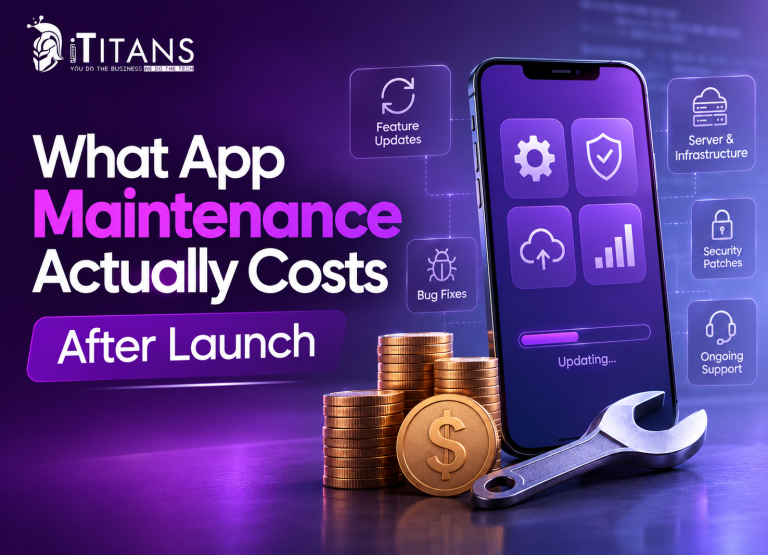
A robust backend is crucial for real-time data syncing, user management, content streaming, and analytics. Cloud services like AWS or Firebase are commonly used, and their pricing depends on the number of users and storage needs. Regular updates, bug fixing, and scaling for a growing user base require ongoing investment, typically around 15%-20% of the initial development cost annually.
6. Security and Compliance
Handling sensitive health data requires adherence to regulations like HIPAA (Health Insurance Portability and Accountability Act) in the US and GDPR (General Data Protection Regulation) in Europe. Ensuring data privacy and compliance increases the app development cost but protects your brand’s credibility and avoids hefty penalties.
Estimated Cost Breakdown for a Fitness App in 2025
To give you a more tangible idea, here’s a rough estimate for a moderately complex fitness app:
| Feature/Service | Estimated Cost Range (USD) |
| UI/UX Design | $8,000 – $15,000 |
| Frontend Development | $15,000 – $30,000 |
| Backend Development | $10,000 – $25,000 |
| Wearable Integration | $5,000 – $10,000 |
| Third-Party API Integration | $3,000 – $7,000 |
| Admin Panel Development | $8,000 – $12,000 |
| Testing and QA | $5,000 – $10,000 |
| Ongoing Maintenance (Annual) | 15%-20% of total cost |
Thus, a full-featured fitness app could cost anywhere from $50,000 to $150,000+ in 2025 depending on its complexity, feature set, and platform choice.
Key Features Essential for Fitness Apps in 2025
When planning your fitness app, ensure you include the following must-have features:
· AI-based virtual coaching
· Community features like forums or social sharing
· Data privacy and secure login options
· Gamification elements like challenges and badges
· In-app purchases and subscription models
· Live streaming and on-demand video classes
· Nutrition and diet management tools
· Personalized workout plans and progress tracking
· Push notifications and reminders
· Wearable device integration
Adding trending features like AI recommendations and VR workout experiences could future-proof your app and appeal to a broader user base.

iTitans: Your Trusted Partner for Fitness App Development
When it comes to building a high-quality, scalable fitness app, choosing the right development partner is crucial. This is where iTitans stands out. With deep expertise in mobile app development and a strong portfolio in health and fitness solutions, iTitans offers comprehensive services tailored to your needs.
Custom Fitness App Development
At iTitans, we understand that no two fitness apps are the same. Our team collaborates closely with clients to design and develop custom applications that meet specific business objectives, user expectations, and industry trends.
Cross-Platform Expertise with Flutter
By leveraging Flutter, iTitans ensures cost-effective and time-saving development for both iOS and Android platforms. This approach helps businesses achieve a wider reach without compromising app quality.
AI-Enabled Smart Solutions
With a strong grasp of AI and machine learning technologies, iTitans can integrate intelligent features like personalized fitness routines, smart notifications, and virtual trainers that enhance user engagement and retention.
Integration with Wearables
iTitans specializes in connecting apps with popular wearable devices, allowing seamless tracking of vital metrics such as heart rate, sleep patterns, and activity levels. This integration ensures a holistic user experience.
Compliance and Data Security
With rising concerns over data privacy, iTitans ensures that all fitness apps adhere to the latest data protection standards such as HIPAA and GDPR, offering users a safe and secure platform.
Post-Launch Support and Scaling
iTitans provides robust maintenance services, ensuring that your app remains competitive with timely updates, feature enhancements, and continuous optimization based on user feedback.
FAQs
How much does it cost to develop a fitness app in 2025?
The cost to develop a fitness app in 2025 typically ranges between $30,000 to $150,000 depending on the app’s complexity, features, platform (iOS, Android, or both), design quality, and location of the development team. A simple app with basic features like workout tracking and calorie counting could cost closer to the lower end, while a feature-rich app with AI-based coaching, live streaming, and wearables integration could push the budget to the higher side.
What factors influence the fitness app development cost in 2025?
Several key factors affect the cost of fitness app development in 2025, including the number and type of features (e.g., personalized workout plans, progress tracking, video tutorials), the choice of platform (native, cross-platform, or web-based), user interface and experience design complexity, backend infrastructure like cloud hosting and data security, third-party integrations like Apple Health or Google Fit, and the hourly rate of the developers, which varies widely depending on their location and experience.
How does the choice of features impact the overall fitness app budget?
The more advanced the features, the higher the overall cost of fitness app development. Essential features like user profiles, workout logs, and notifications are relatively inexpensive. However, incorporating features like AI-powered personal trainers, real-time performance analytics, live group classes, wearable device integration, gamification, and social sharing options can significantly drive up both development time and cost.
Can fitness app development costs be reduced in 2025?
Yes, fitness app development costs in 2025 can be optimized by adopting strategies like building a Minimum Viable Product (MVP) first, using cross-platform frameworks like Flutter or React Native, outsourcing to experienced offshore development teams, and leveraging pre-built modules instead of custom coding every feature from scratch.
Conclusion
The fitness app industry is set to experience remarkable growth in 2025 and beyond. Therefore, Now is the perfect time to invest in your fitness app idea and become part of the booming digital health revolution. With user demands evolving rapidly, businesses need to develop applications that are not only feature-rich but also future-proof. The cost of fitness app development in 2025 largely depends on the app’s complexity, features, platform, and backend infrastructure.
However, with the right development partner like iTitans, businesses can navigate these challenges smoothly and build innovative fitness apps that captivate users and drive business success. Ready to launch your fitness app idea with a touch of innovation? Get in touch with iTitans now to build a mobile app that stands out from the usual fitness applications.
Related Post