
Rising Importance of Cybersecurity in Mobile and Web Development
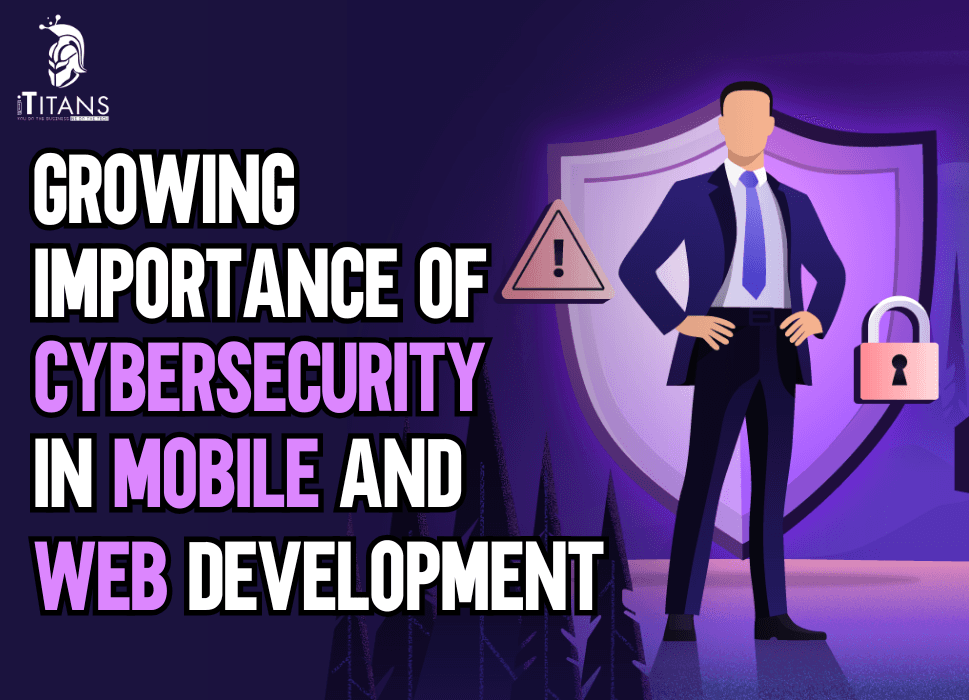
The digital age is here, and the data is all over its landscape at every shifting update. As mobile and web development continue to reshape the way we live, work, and connect, the question is no longer if cybersecurity should be a priority, but how high it should rank on the development checklist.
The growing importance of cybersecurity in website and mobile app development has become undeniable, driven by rising cyber threats, evolving technologies, and a heightened awareness among users and regulators alike. In this article, we are going to discuss several factors that define cybersecurity and should not be compromised when it comes to modern-day development practices.
Cybersecurity in Mobile and Web Development
Cybersecurity is all about protecting systems, networks, and programs from digital attacks. These attacks often aim to access, change, or destroy sensitive information, extort money, or interrupt normal operations. In mobile and web development, this translates into secure coding, architecture-level decisions, encrypted data transmissions, and robust user authentication protocols.
Today’s apps are not simple static pages, they’re sophisticated tools that process payments, store health records, and offer real-time messaging. As these functionalities grow, so does the attack surface. Mobile and web developers must now build with security baked in, not bolted on later.
The Escalating Cyber Threat Landscape
The threat landscape is evolving faster than ever. According to IBM’s 2023 Cost of a Data Breach Report, the average global cost of a breach reached $4.45 million, a 15% increase over the previous three years. Mobile-specific threats like man-in-the-middle attacks, malicious app clones, and data leakage through third-party SDKs are rising.
Cybersecurity Ventures estimates that global cybercrime costs will grow by 15% per year, reaching $10.5 trillion annually by 2025. For mobile and web developers, this isn’t just background noise it’s a call to enhance the security factors in both website and mobile.

Why Cybersecurity Can No Longer Be an Afterthought
Gone are the days when security was handled only by the IT team. Today, developers are frontline defenders. If a single line of insecure code can give attackers access to your backend servers, it’s clear that responsibility begins at the keyboard. Web and mobile developers now face expectations to:
- Integrate security into DevOps pipelines (DevSecOps)
- Perform static and dynamic code analysis
- Adopt secure coding standards like OWASP
- Security-first development is the new normal. Period.
- Mobile App Vulnerabilities You Can’t Ignore
Mobile apps come with their own set of challenges. Insecure storage, weak server-side controls, and improper platform usage are just the tip of the iceberg. According to a 2023 report by NowSecure, 87% of mobile apps tested had at least one security flaw. Some common mobile app vulnerabilities include:
- Insecure data storage: Storing sensitive data without encryption.
- Inadequate authentication: Using predictable login credentials.
- Unintended data leakage: From ad networks or analytics SDKs.
Security frameworks like Apple’s App Transport Security (ATS) and Android’s Network Security Configuration are crucial. But developers must go beyond guidelines and build proactive defense strategies.
Web Development and the Rise of Zero Trust Architecture
For web applications, cybersecurity now leans heavily on Zero Trust principles. The idea is simple: trust nothing, verify everything. That means:
- Authenticating users and devices at every point
- Using multi-factor authentication (MFA)
- Encrypting all data in transit and at rest
- Monitoring all user behavior continuously
Frameworks like HTTPS, Content Security Policy (CSP), and Subresource Integrity (SRI) play vital roles. But at the center of it all is the developer’s commitment to secure code.
The Impact of Regulations on Web and Mobile Security
With regulations like GDPR, HIPAA, and CCPA, data protection is not just a best practice—it’s law. Mobile and web developers must ensure compliance from day one. Non-compliance can mean massive fines, reputational damage, and even legal actions.
In 2021, Amazon was fined €746 million for GDPR violations. For startups or mid-size businesses, even a fraction of that can be catastrophic. Regulatory compliance must be woven into the development lifecycle.
The Role of DevSecOps in Modern Development
DevSecOps is a movement that integrates security practices into every phase of software development. It’s not about slowing down developers with endless checklists—it’s about enabling them with tools and culture. Key benefits of DevSecOps include:
- Early vulnerability detection
- Automated security testing
- Continuous compliance
CI/CD tools like GitHub Actions and GitLab CI now support security plugins for SAST (Static Application Security Testing) and DAST (Dynamic Application Security Testing), making secure development more seamless than ever.
User Awareness: The First Line of Defense
No matter how secure your code is, a single click on a phishing link can render all efforts useless. Educating users is as important as securing infrastructure. Developers should implement:
- Friendly but firm password policies
- Real-time phishing alerts
- Regular user re-authentication on sensitive actions
The human element remains the most unpredictable variable. Bridging the gap between tech and behavior is crucial.

How to Make Websites and Mobile Apps Secure?
Implement Secure Authentication and Authorization
To safeguard both websites and mobile apps, developers must implement robust authentication mechanisms such as multi-factor authentication (MFA) and OAuth. These systems ensure that only legitimate users can access sensitive areas or perform critical actions.
Secure authentication goes hand-in-hand with authorization, where user roles are clearly defined to restrict access based on privileges. By separating what users can do from who they are, apps can prevent unauthorized actions even if accounts are compromised.
Encrypt Data in Transit and at Rest
Data encryption is crucial in protecting sensitive information from cybercriminals. All communication between users and servers must be encrypted using protocols like HTTPS/TLS to secure data in transit. Likewise, data stored in databases, local storage, or cloud environments should be encrypted using standards like AES-256. Encrypting both static and dynamic data ensures that even if attackers intercept or access it, the content remains unreadable without the decryption keys.
Regularly Update Software and Patch Vulnerabilities
Outdated software is one of the easiest targets for cyberattacks, as known vulnerabilities can be exploited within seconds. Regular updates for operating systems, frameworks, plugins, and libraries are essential for maintaining security. Developers should also subscribe to vulnerability alerts for third-party tools they use. By consistently applying patches and software updates, organizations reduce the risk of known exploits affecting their digital products.
Use Secure APIs
APIs are the backbone of modern mobile and web applications, but they are also a common attack vector. Developers must use secure APIs that require proper authentication tokens and are rate-limited to prevent abuse. It’s also vital to avoid exposing internal APIs or giving unnecessary access to external ones. Implementing API gateways, input validation, and consistent versioning can further enhance API security and maintain system integrity.
Secure the Backend and Server-Side Code
While front-end security is visible, backend vulnerabilities often go unnoticed and exploited. Server-side code should be written with secure coding practices to prevent logic flaws, SQL injections, and command executions. Access to the server should be restricted with firewalls, strong SSH keys, and minimal port exposure. Regular code reviews, penetration testing, and the use of static analysis tools can help developers identify and fix hidden issues in backend logic.
Use Web Application Firewalls (WAF)
Web Application Firewalls (WAFs) offer a proactive layer of defense by filtering and monitoring incoming traffic. They help detect and block common threats like cross-site scripting (XSS), SQL injection, and DDoS attacks. WAFs sit between the user and the application, analyzing every request to ensure malicious payloads never reach the core systems. When configured correctly, a WAF can drastically reduce the number of successful attacks.
Validate and Sanitize All User Inputs
User input is one of the most common sources of application vulnerabilities, especially when it’s not properly validated or sanitized. Developers should never trust input from users without rigorous checks to ensure it follows expected formats. Sanitizing inputs helps prevent injection attacks such as XSS or SQL injections. Whether it’s a contact form, login page, or search bar, validation must occur both client-side and server-side for maximum protection.
Implement Secure Session Management
Session hijacking and fixation are real threats to users if sessions are not managed securely. Developers must use secure, encrypted cookies with flags like HttpOnly and Secure to prevent session data theft. Session timeouts, re-authentication for sensitive actions, and token rotation further reduce the risk. Secure session management ensures that once a user logs in, their data and identity remain safe throughout their interaction with the app.
Conduct Regular Security Audits and Penetration Testing
No system is perfectly secure, which is why continuous testing is vital. Security audits examine system configurations, codebases, and architectures for vulnerabilities. Penetration testing simulates real-world attacks to uncover exploitable flaws before malicious actors do. Performing these regularly—especially after major updates—helps organizations stay a step ahead. Reporting and remediating issues proactively ensures long-term security and user trust.
Follow Secure Coding Standards
Developers must adhere to secure coding guidelines like OWASP’s Top 10 to avoid introducing vulnerabilities during development. These standards outline common threats and best practices to prevent them, such as proper error handling, secure database queries, and least privilege principles. Training development teams in secure coding ensures a baseline level of security across all projects and helps build a security-first development culture.
Store Minimal User Data
One of the most effective ways to reduce risk is by limiting the amount of sensitive data an application collects and stores. Developers should adopt a data minimization approach—only requesting information that is absolutely necessary for functionality. Storing minimal user data reduces the potential fallout from breaches and simplifies compliance with data protection regulations such as GDPR and HIPAA.
Secure Third-Party Dependencies
Modern apps often rely on third-party libraries, SDKs, and frameworks, which may carry their own security risks. Developers should vet these tools carefully and use only those that are actively maintained and trusted. Regular scanning for vulnerabilities using tools like Snyk or OWASP Dependency-Check helps identify outdated or compromised packages. Keeping dependencies up-to-date and monitoring for advisories ensures they don’t become a backdoor into the system.
Enable Logging and Monitoring
Logging provides visibility into user activities and system behavior, which is essential for detecting unusual or malicious behavior. However, logs must also be handled securely—sensitive data should never be logged in plain text. Monitoring tools can alert administrators about suspicious patterns, login attempts, or unauthorized access. Combined, logging and monitoring form the backbone of a real-time security response strategy.
Educate Development and Operations Teams
Security is a shared responsibility that goes beyond developers alone. Educating both development and DevOps teams about current security threats, safe practices, and compliance requirements can significantly enhance the security posture. Regular workshops, training sessions, and certifications help build awareness and ensure everyone in the workflow is aligned with cybersecurity goals.
Use Containerization and Sandboxing
Containerization technologies like Docker help isolate application components, making it harder for attackers to escalate privileges or move laterally in a system. Similarly, sandboxing can confine code execution to a restricted environment, preventing malicious scripts or apps from affecting other parts of the system. These methods offer a layered approach to security by minimizing the impact of potential breaches.
Use Secure Payment Gateways and PCI Compliance
For apps and websites handling financial transactions, security becomes even more critical. Using trusted, secure payment gateways like Stripe or PayPal ensures that sensitive card data is never handled directly by your systems. Additionally, adhering to PCI DSS (Payment Card Industry Data Security Standard) compliance helps businesses follow best practices for storing, processing, and transmitting credit card information securely.
Implement Access Controls and Role-Based Permissions
Controlling who has access to different parts of the application is vital for internal and external security. Role-based access control (RBAC) restricts access to resources based on a user’s role or group, ensuring that no one has more permissions than they need. Fine-grained access policies prevent privilege escalation and limit the damage a compromised account can cause.
Avoid Insecure Data Storage on Client Devices
Especially for mobile apps, storing sensitive data like passwords, tokens, or personal information on the client-side can lead to major breaches if not done carefully. Use secure storage mechanisms like Keychain (iOS) or Keystore (Android), and never store credentials in plaintext. Implement device-level encryption and biometric protections wherever possible to safeguard user data on mobile devices.
Protect Against Reverse Engineering and Code Tampering
Mobile apps, once downloaded, can be decompiled and analyzed by attackers to find vulnerabilities or embed malicious code. Obfuscation tools, integrity checks, and code signing can make reverse engineering more difficult. Developers should also detect rooted or jailbroken devices and restrict functionality accordingly. By taking these measures, they can protect intellectual property and prevent tampering with core logic.
Stay Compliant with Security Regulations
Compliance with security standards and legal regulations builds trust and ensures that applications meet industry expectations. Depending on your industry or region, compliance with GDPR, HIPAA, CCPA, or ISO/IEC 27001 might be necessary. These frameworks offer guidelines for data protection, user rights, and breach notifications helping developers stay legally and ethically accountable.

How iTitans Reinforce Cybersecurity in Every Pixel
When it comes to integrating bulletproof cybersecurity in both mobile and web development, iTitans stands out as a pioneer. As a leading digital transformation company, iTitans is not just building software but building secure ecosystems for future focused businesses. Here’s how iTitans tackles cybersecurity head-on:
- Secure-by-Design Architecture: iTitans follows OWASP best practices and builds cybersecurity into the core of every project.
- Penetration Testing: Each product goes through rigorous testing to find and fix vulnerabilities before launch.
- Custom Solutions: Whether it’s a mobile fintech app or a scalable e-commerce platform, iTitans tailors security protocols to match industry-specific threats.
- DevSecOps Culture: Security is not a task but a mindset at iTitans. Their development pipelines integrate automated security scans, code reviews, and vulnerability assessments.
- Client Education: iTitans doesn’t just secure software—they empower clients with training and documentation to maintain ongoing security.
What the Future Holds for Cybersecurity in Development
Cybersecurity is no longer an add-on; it’s a foundation. With AI-powered threats, quantum computing on the horizon, and a rising dependence on mobile and web applications, the stakes will only get higher. We’ll see increased adoption of:
- AI-driven threat detection
- Blockchain for secure identity management
- Decentralized security protocols
- Privacy-enhancing technologies (PETs)
In this new era, developers are the architects of trust. Every line of code must be written with the assumption that someone will try to break it.
Prioritizing Cybersecurity is All About Maintaining Integrity
The growing importance of cybersecurity in mobile and web development is not a passing trend, it’s the ultimate shift towards a safer future. From preventing million-dollar breaches to complying with international laws, the role of cybersecurity has expanded beyond the backend. Today, developers are not just builders; they’re gatekeepers of delicate user data.
Organizations like iTitans are leading the charge, not just with cutting-edge development, but with unwavering dedication to digital safety. If you’re building for the future, you’re also building for a more secure world. Want to maintain the highest safety standards in your websites and mobile apps? Contact iTitans now and share your requirements to build interactive, high-performing, and secure web and mobile apps.
FAQs
Why is cybersecurity becoming more crucial in mobile and web development?
As digital footprints grow, so do the threats targeting them. The rise in cyberattacks, such as phishing, ransomware, and zero-day exploits, has made cybersecurity a top priority. According to a 2024 report by Cybersecurity Ventures, cybercrime is projected to cost the world $10.5 trillion annually by 2025. This has pushed developers to integrate security directly into the development lifecycle, especially with mobile apps and web platforms becoming gateways to sensitive user data.
What are the most common cybersecurity threats in mobile and web apps?
Mobile and web applications face a variety of threats. These include SQL injections, cross-site scripting (XSS), data breaches, and insecure APIs. For mobile apps specifically, man-in-the-middle attacks and malware are common culprits. In 2023 alone, over 33 billion records were exposed due to application vulnerabilities, proving just how widespread and dangerous these threats are.
Are mobile apps more vulnerable than web apps?
Not necessarily, but they do present different risks. Mobile apps often store data locally and use less secure network channels, making them prime targets. Additionally, users tend to grant extensive permissions without understanding risks. A 2023 McAfee study found that 85% of mobile apps tested had critical security flaws, compared to 70% of web apps. That said, both require equal attention but tailored strategies.
What role do APIs play in cybersecurity concerns?
APIs are the connective tissue of modern applications, but they also open doors to attackers if not properly secured. Vulnerable APIs can expose entire databases. In fact, API attacks rose by 400% in 2023, largely due to poor authentication and authorization. Implementing rate limiting, input sanitization, and token-based authentication (like OAuth) is essential to prevent exploitation.
How does encryption help in securing apps and websites?
Encryption is the backbone of data privacy. Whether it’s at rest or in transit, encrypting sensitive data ensures that even if intercepted, it’s unreadable to attackers. With TLS 1.3 adoption growing, modern websites can secure traffic with faster, more robust encryption protocols. Mobile developers also use AES-256 encryption for securing local storage. Remember: unencrypted apps are low-hanging fruit for cybercriminals.
What are some real-world consequences of ignoring cybersecurity in development?
The stakes are high. A data breach can lead to loss of customer trust, legal action, and hefty fines. The 2023 MOVEit breach affected over 2,500 organizations globally, leading to over $2 billion in losses. For small businesses, 60% go out of business within six months of a cyberattack. In short, ignoring security is a major risk factor.
How can user authentication be strengthened in apps?
Say goodbye to just usernames and passwords. Today, robust authentication includes multi-factor authentication (MFA), biometrics, and OAuth 2.0 protocols. Developers are increasingly implementing JWT (JSON Web Tokens) and certificate pinning to ensure secure identity verification. Moreover, tools like Auth0 or Firebase Authentication simplify adding strong auth layers to apps without compromising UX.
Related Posts