
Why US Startups Prefer Offshore Development Teams
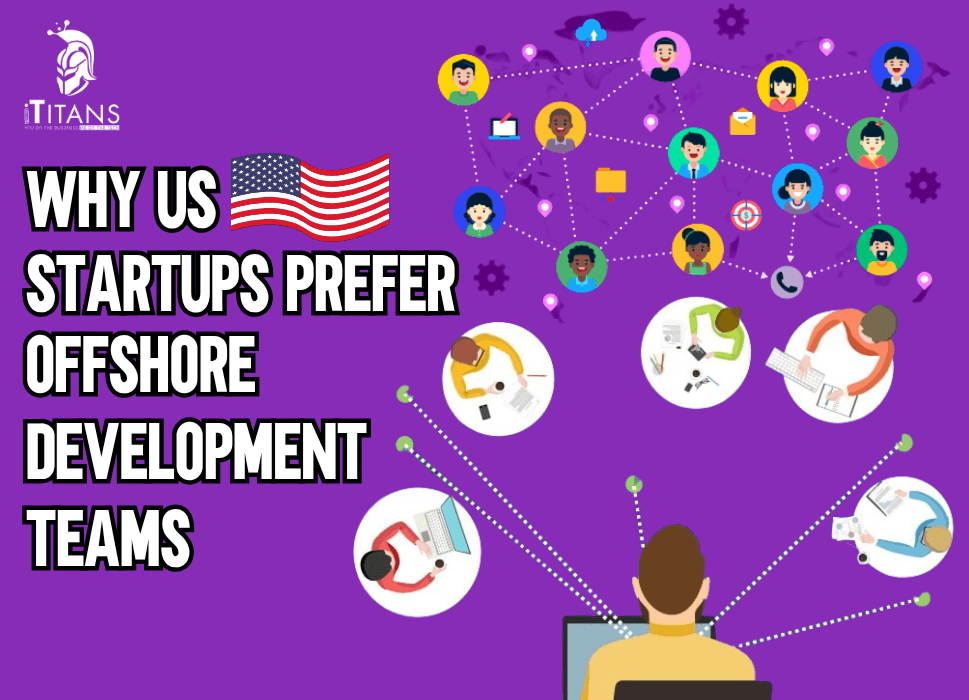
The startup ecosystem in the United States has become more competitive than ever. Founders are constantly racing against time to launch products faster, improve customer experiences, and scale operations while keeping costs under control. In this environment, offshore development teams have become a practical and strategic choice for startups looking to grow without exhausting their budgets.
From access to global tech talent to faster product development cycles, offshore software development is helping startups stay agile and innovative. Whether it’s building a SaaS platform, developing a mobile app, or creating a scalable web application, offshore teams are now deeply integrated into how modern startups operate.
Rising Demand for Offshore Development Services
Over the past decade, offshore software development has shifted from being a cost-saving tactic to a growth strategy. Startups across the United States are increasingly partnering with offshore development companies to accelerate product development and gain access to specialized expertise.
According to Statista, the global IT outsourcing market is projected to exceed $812 billion in 2029. This growth reflects how businesses worldwide, especially startups, are relying on offshore development services to remain competitive in rapidly evolving markets.
Suitable for Startups With a Low Budget
For startups operating with limited funding, hiring an in-house development team in cities like San Francisco, New York, or Seattle can quickly become financially overwhelming. Offshore development allows startups to access experienced developers, UI/UX designers, QA engineers, and DevOps specialists at significantly lower operational costs.
At the same time, offshore partnerships are no longer limited to coding tasks. Many offshore software development companies now contribute to product strategy, architecture planning, cloud migration, AI integration, cybersecurity, and long-term maintenance.

Reason #1: Access to Global Talent Without Geographic Restrictions
One of the biggest reasons US startups prefer offshore development teams is access to a much larger talent pool. Hiring locally often means competing with major tech giants like Google, Amazon, Microsoft, and Meta for the same developers.
Startups usually cannot match the salaries and benefits offered by these corporations. Offshore development changes that equation completely.
By working with offshore software developers, startups can hire highly skilled professionals from countries known for strong technical education and software expertise. Regions like Eastern Europe, South Asia, and Latin America have become global hubs for software engineering talent.
This approach gives startups immediate access to specialists in:
- Mobile app development
- SaaS product engineering
- Cloud computing
- Artificial intelligence
- Blockchain development
- Web application development
- DevOps and infrastructure management
- Quality assurance testing
Instead of spending months recruiting locally, startups can onboard offshore developers within weeks and start building products almost immediately.
Reason #2: Cost Efficiency Without Sacrificing Quality
Cost reduction remains one of the strongest drivers behind offshore development partnerships. Building a startup already involves major expenses including marketing, infrastructure, legal compliance, product research, and customer acquisition.
Development Costs in US Are Drastically High
Hiring developers in the US can be extremely expensive. According to Glassdoor and Indeed salary reports, senior software engineers in the United States often earn between $140,000 and $220,000 annually, excluding benefits and operational overhead.
For early-stage startups, this level of spending is difficult to sustain. Offshore development teams allow startups to significantly reduce costs while maintaining high-quality standards. Instead of hiring a full in-house department, founders can scale engineering resources according to project needs.
This financial flexibility enables startups to:
- Extend their runway
- Invest more in product innovation
- Allocate budget toward marketing and sales
- Experiment with new features faster
- Reduce hiring risks
Many offshore software development companies also operate with dedicated project management systems, agile methodologies, and transparent communication channels, ensuring startups maintain visibility throughout the development process.
Reason #3: Faster Product Development and Quicker Launches
Speed is critical in the startup world. Delays in launching a product can result in lost opportunities, reduced investor confidence, and stronger competition. Offshore development teams help startups accelerate time-to-market in several ways.
How Startups Should Approach
First, startups can instantly access pre-built technical teams instead of spending months hiring developers individually. This means projects begin faster and progress more efficiently.
Second, time zone differences can actually work as an advantage. Many startups use distributed development cycles where offshore teams continue working after US business hours end. This creates near 24-hour development productivity.
For example, a startup based in California may complete planning and review sessions during the day while its offshore team in Asia continues development overnight. By the next morning, progress updates and completed tasks are already available.
This continuous workflow often leads to:
- Faster MVP development
- Rapid feature releases
- Quicker bug fixes
- Shorter testing cycles
- Improved product iteration
For startups trying to validate ideas quickly, offshore development offers a major competitive advantage.
Reason #4: Offshore Teams Support Startup Scalability
Scalability is one of the most important priorities for startups. Business needs can change rapidly depending on funding rounds, market demand, or customer growth.
An offshore development model gives startups the flexibility to scale engineering resources up or down without the long-term commitments associated with in-house hiring.
For instance, a startup may initially require only:
- Two frontend developers
- One backend engineer
- One QA specialist
Expansion is Always an Option
As the business grows, the same offshore partner can quickly expand the team with additional developers, cloud engineers, UI/UX designers, or data specialists.
This flexibility helps startups remain lean during early stages while still being prepared for rapid growth.
It also minimizes operational complexity since offshore development companies often manage recruitment, onboarding, infrastructure, and administrative tasks internally.
Reason #5: Reduced Hiring Challenges for US Startups
The US tech industry continues to face significant talent shortages. Finding qualified developers has become increasingly difficult, especially for startups with limited recruitment resources.
According to a report by Korn Ferry, the global technology sector could face a shortage of more than 85 million workers by 2030.
This shortage directly impacts startups because larger corporations typically dominate the local hiring market.
Offshore software development provides startups with an alternative path to growth. Instead of competing in oversaturated local markets, founders can work with offshore partners that already have established engineering teams ready to contribute.
As a result, businesses can reduce:
- Recruitment delays
- HR costs
- Employee turnover risks
- Training expenses
- Administrative workload
Many offshore agencies also specialize in startup product development, meaning their teams understand agile environments, rapid iterations, and evolving business goals.
Reason #6: Focus on Core Business Activities
Building a startup involves much more than writing code. Founders must focus on investor relations, customer acquisition, branding, operations, partnerships, and long-term growth strategies.
Managing an in-house engineering department can consume a significant amount of time and energy.
By outsourcing software development, startup founders can concentrate on core business objectives while technical teams handle development tasks.
This division of responsibility improves operational efficiency and allows leadership teams to remain focused on growth opportunities.
Offshore development companies often provide:
- Dedicated project managers
- Agile sprint planning
- QA testing
- Technical consultation
- Infrastructure support
- Post-launch maintenance
This comprehensive support structure reduces pressure on startup founders and internal teams.
Reason #7: Offshore Development Encourages Innovation
Another misconception about offshore development is that it only supports basic coding tasks. In reality, many offshore engineering teams are deeply involved in innovation-driven projects.
Modern offshore developers work on technologies such as:
- Artificial intelligence
- Machine learning
- Internet of Things (IoT)
- Blockchain applications
- Cloud-native architecture
- Automation systems
- SaaS platforms
Because offshore development firms work with multiple industries and international clients, they often bring diverse perspectives and technical insights to startup projects.
This cross-industry experience can help startups improve product functionality, optimize infrastructure, and adopt modern development practices faster.
In many cases, offshore engineers actively contribute ideas that improve user experience and product scalability.
Reason #8: Better Risk Management Through Distributed Teams
Relying entirely on a local in-house team can create operational risks for startups. Unexpected resignations, hiring freezes, or economic downturns can disrupt development timelines.
Offshore development teams help diversify operational risk by distributing resources across different regions and time zones.
This model provides startups with greater business continuity and flexibility.
For example:
- If one region experiences disruptions, development can continue elsewhere.
- Distributed teams create backup operational capacity.
- Multiple technical experts reduce dependency on single employees.
This resilience became especially important after the COVID-19 pandemic, which accelerated remote work adoption worldwide.
Today, many startups intentionally build globally distributed teams from the beginning because remote collaboration has become normalized.
The Role of Agile Development in Offshore Partnerships
Agile development methodologies have transformed offshore collaboration. In the past, outsourcing was often associated with poor communication and delayed project delivery.
Modern offshore development companies now operate using agile frameworks such as Scrum and Kanban.
This means startups benefit from:
- Weekly sprint reviews
- Transparent workflows
- Real-time collaboration
- Continuous feedback loops
- Faster issue resolution
Tools like Jira, Slack, GitHub, Trello, and Zoom have made remote software collaboration highly efficient.
As a result, offshore teams now function as integrated extensions of startup companies rather than isolated external vendors.

Offshore Development and SaaS Startup Growth
The SaaS industry has particularly embraced offshore development models.
SaaS startups need continuous product updates, cloud infrastructure management, subscription system optimization, and rapid feature deployment. Offshore software engineers help SaaS businesses maintain development momentum without significantly increasing operational expenses.
Many successful SaaS startups use offshore teams for:
- Backend development
- API integrations
- Cloud deployment
- Mobile app synchronization
- Security monitoring
- Database optimization
Since SaaS products require ongoing iteration and maintenance, offshore partnerships often become long-term collaborations rather than temporary arrangements.
Why Startups Choose Dedicated Development Teams
Among different offshore engagement models, dedicated development teams have become especially popular.
In this approach, startups work with a committed offshore team that focuses exclusively on their product and business objectives.
Dedicated teams provide:
- Better product understanding
- Long-term consistency
- Improved communication
- Stronger accountability
- Faster collaboration
This model closely resembles having an internal engineering department while still benefiting from offshore cost advantages.
For startups building complex digital products, dedicated development teams often deliver greater efficiency compared to short-term freelance arrangements.
Security and Intellectual Property Protection
Security concerns once made some startups hesitant about offshore software development. However, modern offshore development companies now follow strict data security protocols and international compliance standards.
Reliable offshore partners typically implement:
- Non-disclosure agreements (NDAs)
- Secure cloud environments
- Access management systems
- Encrypted communication
- GDPR compliance
- Intellectual property protection policies
Many offshore software companies also maintain certifications related to information security and quality management.
As a result, startups now feel more confident sharing proprietary ideas, source code, and product roadmaps with offshore teams.
Offshore Development Supports Digital Transformation
Digital transformation has become a priority across industries, including healthcare, fintech, retail, logistics, and education.
US startups entering these industries often require advanced software systems capable of handling scalability, automation, analytics, and customer engagement.
Offshore development teams help startups build digital platforms efficiently by offering expertise in:
- Cloud migration
- Enterprise software development
- Mobile app engineering
- Custom web development
- Automation tools
- Data analytics systems
This allows startups to remain technologically competitive without building large in-house departments from scratch.
How iTitans Helps Startups Build Scalable Digital Products
iTitans has positioned itself as a trusted software development company for businesses looking to build innovative digital products with long-term growth potential.
Based in the USA with a global operational reach, iTitans works with startups and businesses across different industries to develop websites, mobile applications, SaaS products, and custom software platforms.
One of the key advantages of working with iTitans is their ability to combine technical expertise with scalable development practices. Their team includes experienced developers, designers, engineers, and digital specialists capable of supporting businesses throughout the entire product lifecycle.
iTitans offers services related to:
- Custom software development
- Web application development
- Mobile app development
- SaaS platform engineering
- UI/UX design
- Cloud integration
- Post-launch support and maintenance
- Digital transformation services
Models Designed for Startups
For startups, this means having access to a technical partner that understands fast-moving business environments and evolving product requirements.
Reliable Maintenance and Support
Beyond development capabilities, iTitans also focuses on long-term support, helping businesses maintain product performance, improve scalability, and adapt to changing market needs over time.
As startups increasingly seek reliable offshore and distributed development partnerships, companies like iTitans continue to play an important role in helping businesses accelerate digital growth while maintaining development efficiency.
Communication Has Improved Offshore Collaboration
Years ago, communication gaps were considered one of the biggest disadvantages of offshore development. Today, technology has dramatically improved remote collaboration.
Video conferencing, project management tools, cloud documentation systems, and instant messaging platforms now allow seamless interaction between startups and offshore teams.
Many offshore developers also possess strong English communication skills and experience working with international clients.
Successful offshore partnerships usually rely on:
- Clear project documentation
- Regular meetings
- Defined workflows
- Shared project goals
- Agile reporting structures
When communication processes are properly managed, offshore teams can integrate smoothly into startup operations.
Offshore Development Is No Longer Just for Large Companies
Initially, offshore software development was mostly used by enterprise-level organizations. Today, startups of all sizes are embracing offshore development models.
Even early-stage startups with small budgets now use offshore teams to build MVPs, test product-market fit, and launch scalable applications.
This shift has been driven by:
- Improved remote work culture
- Affordable collaboration tools
- Growing global talent availability
- Faster internet infrastructure
- Increased startup competition
As a result, offshore development has become a mainstream startup strategy rather than an alternative option.
Common Offshore Development Models Used by Startups
Different startups choose different offshore engagement structures depending on their goals and resources.
Staff Augmentation
In this model, startups add offshore developers to their existing internal teams. This helps companies quickly fill skill gaps without permanent hiring commitments.
Dedicated Development Teams
Dedicated teams work exclusively on a startup’s project over the long term. This model offers consistency and deeper product involvement.
Project-Based Development
Some startups outsource entire projects such as mobile app development or SaaS platform creation to offshore software companies.
Hybrid Development Teams
Hybrid teams combine local leadership with offshore engineering resources. Many startups prefer this model because it balances strategic oversight with development efficiency.

Challenges Startups Should Consider
Although offshore development offers many advantages, startups still need to manage partnerships carefully.
Potential challenges may include:
- Time zone coordination
- Cultural differences
- Communication misunderstandings
- Quality inconsistencies with inexperienced vendors
However, most of these issues can be minimized through proper planning, clear expectations, and selecting experienced offshore development partners.
Successful startups usually invest time in:
- Defining project goals clearly
- Establishing communication routines
- Using agile project management
- Conducting regular performance reviews
- Maintaining collaborative relationships
When managed correctly, offshore development partnerships can become highly productive and long-lasting.
The Future of Offshore Development for US Startups
The future of offshore software development looks incredibly strong as startups continue prioritizing flexibility, scalability, and speed.
Emerging technologies like artificial intelligence, cloud computing, and automation are increasing the demand for specialized technical talent worldwide.
At the same time, remote work acceptance has permanently changed how startups build teams.
US startups prefer offshore development teams because they provide access to global talent, faster product development, operational flexibility, and cost efficiency. In today’s competitive market, startups need the ability to move quickly while maintaining high-quality product experiences.
With digital partners like iTitans, businesses can demonstrate how globally connected development services can help startups build scalable digital products while maintaining long-term technical support and operational efficiency.
Contact iTitans today and experience working with offshore development companies that contributes to real growth.
FAQs
How do offshore development teams help startups reduce operational costs?
Offshore development teams help startups cut expenses related to salaries, office space, employee benefits, and infrastructure. Developers in countries like India, Pakistan, Ukraine, and the Philippines often charge lower rates than developers in the United States. This cost advantage allows startups to invest more in marketing, product innovation, and business growth.
Are offshore developers skilled enough for complex startup projects?
Many offshore developers are highly experienced in technologies such as AI, cloud computing, mobile app development, and cybersecurity. Offshore development companies often employ certified professionals who have worked with international clients for years. Startups benefit from a global talent pool with specialized expertise that may be difficult or expensive to find locally.
How do time zone differences benefit US startups working with offshore teams?
Time zone differences can actually improve productivity when managed correctly. Offshore teams can continue working after the US-based team ends its workday, creating a nearly 24-hour development cycle. This speeds up software development, bug fixes, and project delivery timelines.
How do startups ensure quality when outsourcing software development offshore?
Startups maintain quality by setting clear project goals, defining coding standards, and implementing regular testing procedures. Many offshore development companies follow international quality assurance practices and agile development methods. Frequent progress reviews and transparent reporting help startups monitor performance closely.
How does offshore development improve startup scalability?
Offshore development teams allow startups to quickly increase or decrease team size based on project needs. This flexibility is especially useful for startups experiencing rapid growth or changing market demands.