
Integrating Secure Payment Gateways into Mobile Apps
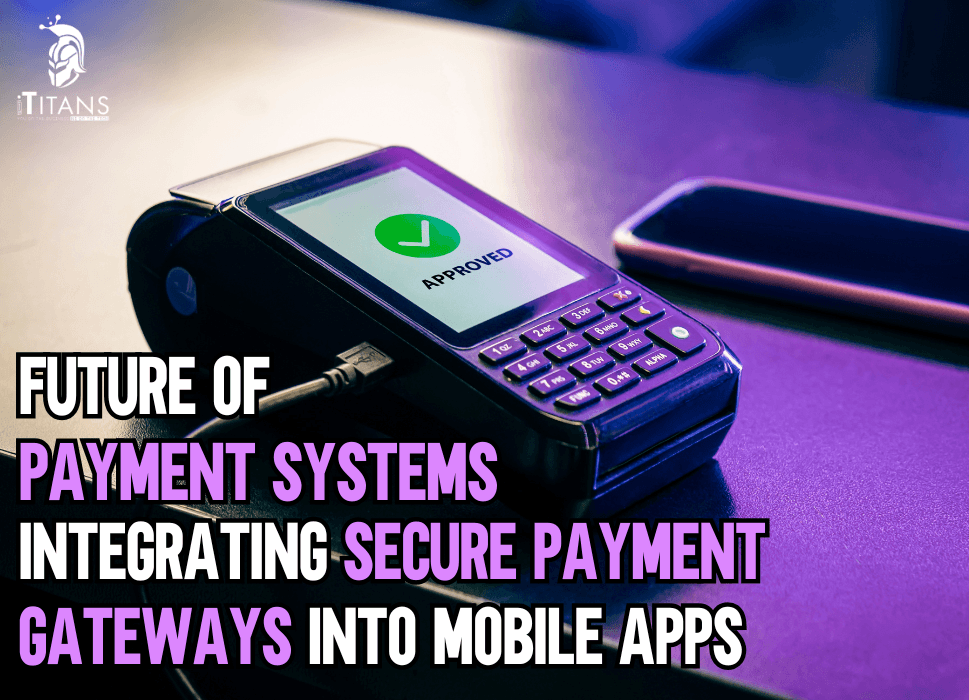
The landscape of payment systems is undergoing a transformative shift, driven by technological advancements and changing consumer behaviors. Mobile applications have become central to this evolution, offering users the convenience of conducting transactions anytime and anywhere.
As digital payments become more prevalent, the integration of secure payment gateways into mobile apps is not just a feature but a necessity. This article explores the future of payment systems, the importance of secure payment gateway integration, and how companies like iTitans are at the forefront of this digital revolution.
Evolution of Digital Payments in the Modern-Day Era
Digital payments have seen exponential growth over the past decade. In 2024, approximately 75% of adults worldwide adopted some form of digital payment method, marking a significant shift from traditional cash transactions.
Emerging markets have experienced a 20% year-over-year increase in digital payment adoption, primarily driven by mobile payment solutions. This surge is attributed to the convenience, speed, and security that digital payments offer.
In the United States, the usage of digital payments for in-app purchases reached 60% in 2024, an increase of 8 percentage points since 2019. This trend is mirrored globally, with the Asia-Pacific region experiencing a 25% increase in digital payment transactions in 2024, driven by countries like China and India.

Mobile Apps: The New Payment Hubs
Mobile applications have become the primary interface for digital transactions. The integration of payment gateways into mobile apps allows users to make purchases, transfer funds, and manage finances seamlessly. In 2024, over two billion people used mobile payments, contributing to a transaction volume of $7.39 trillion, a 14% annual increase.
Business of Apps
The convenience of mobile payments is further enhanced by features such as biometric authentication, real-time notifications, and integration with digital wallets. These features not only improve user experience but also bolster security, making mobile apps the preferred platform for digital transactions.
Fintech Innovation and Integration
Financial technology, has rapidly democratized financial services. Innovative startups are rolling out mobile apps that not only process payments but also provide budgeting tools, investment options, and crypto trading capabilities.
Many of these apps utilize API integration to connect with banks, credit card providers, and e-commerce platforms. This interconnected ecosystem allows users to manage all aspects of their finances from a single interface. In essence, mobile payment apps have evolved into comprehensive financial dashboards.
Digital Wallets: A Growing Trend
Digital wallets like Apple Pay, Google Wallet, and Samsung Pay are leading the charge in mobile payments. These apps store users’ payment information securely, enabling swift transactions at physical and online checkouts.
Their growing popularity is underpinned by their security features—tokenization, encryption, and biometric verification. Digital wallets not only replace physical wallets but enhance them by offering real-time tracking, reward integrations, and customizable controls.
Retailers and the Mobile App Economy
For retailers, mobile payment apps offer a treasure trove of opportunities. From reducing cart abandonment to personalizing marketing campaigns, these apps provide actionable insights based on user behavior. Many retailers have developed their own branded apps that incorporate loyalty programs, exclusive deals, and frictionless payment options.
The integration of payment systems into mobile apps also allows retailers to reduce their reliance on third-party payment processors, thereby lowering transaction fees and improving profit margins.
The Role of Super Apps in Payments
The concept of “super apps” has gained traction, particularly in Asia. These multifunctional platforms combine messaging, shopping, transportation, and payment services within a single app. WeChat and Alipay are perfect examples.
In Western markets, companies like Uber and PayPal are taking notes, embedding more services to keep users within their ecosystem. As super apps proliferate, they reinforce the notion that mobile apps are the future of payments and beyond.
Security and Trust in Mobile Payment Apps
One of the biggest challenges for mobile payment adoption is security. Fortunately, the industry has responded with robust measures such as multi-factor authentication, end-to-end encryption, and AI-driven fraud detection.
App developers are now focusing on building trust by prioritizing transparency, offering real-time alerts, and allowing users to manage permissions easily. Trust is the currency of digital transactions, and mobile apps that ensure a secure experience often enjoy higher user retention rates.
Cross-Border Transactions Made Easy
Traditionally, sending money across borders was a tedious and expensive process. Mobile apps have streamlined this significantly. Services like Wise (formerly TransferWise) and Payoneer offer low-fee international transfers with real-time tracking and multi-currency support.
The global reach of mobile payment apps is making financial inclusion a reality for millions, especially in underserved markets with limited access to traditional banking infrastructure.
Cryptocurrency Integration into Mobile Payments
Another game-changing feature of modern mobile apps is cryptocurrency integration. Apps like Coinbase, Cash App, and Binance are bridging the gap between fiat and digital currencies, allowing users to buy, sell, and spend crypto with ease.
Some are even enabling direct crypto-to-fiat transactions at point-of-sale terminals. This opens up new possibilities for digital economies and signals the growing maturity of cryptocurrency in mainstream finance.

Regulatory Landscape and Compliance
With innovation comes responsibility. As mobile payment apps gain traction, they attract scrutiny from regulatory bodies worldwide. Compliance with KYC (Know Your Customer), AML (Anti-Money Laundering), and GDPR (General Data Protection Regulation) is now non-negotiable.
Developers and companies must navigate this regulatory maze carefully. Many are adopting “compliance-as-a-service” solutions to ensure their apps meet evolving legal requirements without sacrificing user experience.
The Road Ahead for Mobile Payment Apps
Looking forward, the trajectory for mobile payment apps is clear: more features, broader adoption, and deeper integration into daily life. As AI and machine learning continue to advance, apps will become smarter, offering predictive analytics, voice-activated payments, and even financial coaching.
The future may hold frictionless transactions powered by facial recognition or embedded microchips. While these concepts sound futuristic, the pace of innovation in the mobile app ecosystem suggests they may be closer than we think.
The Imperative of Secure Payment Gateways
As digital transactions become more prevalent, the importance of secure payment gateways cannot be overstated. Payment gateways act as intermediaries between the user and the financial institution, ensuring that sensitive information is transmitted securely. They employ encryption, tokenization, and fraud detection mechanisms to protect against unauthorized access and cyber threats.
In 2024, the integration of AI and machine learning into payment gateways has enhanced their ability to detect and prevent fraudulent activities. Advanced algorithms analyze transaction patterns in real-time, identifying anomalies and flagging suspicious activities. This proactive approach to security is essential in maintaining user trust and safeguarding financial data.
Emerging Trends in Payment Systems
1. Biometric Authentication
Biometric authentication methods, such as fingerprint scans and facial recognition, are becoming standard in mobile payment systems. These methods offer a higher level of security compared to traditional passwords and PINs, reducing the risk of unauthorized access.
2. Integration of Cryptocurrencies
The acceptance of cryptocurrencies in mainstream transactions is on the rise. Payment gateways are adapting to this trend by enabling cryptocurrency transactions, providing users with more options and flexibility in their payment methods.
3. Expansion of Buy Now, Pay Later (BNPL) Services
BNPL services are gaining popularity, especially among younger consumers. Payment gateways are incorporating BNPL options, allowing users to make purchases and pay in installments, thereby enhancing affordability and customer satisfaction.
4. Real-Time Payments
The demand for real-time payments is increasing, with users expecting immediate transaction processing. Payment gateways are evolving to support instant payments, ensuring that funds are transferred and received without delays.

Challenges in Integrating Payment Gateways
While the integration of payment gateways into mobile apps offers numerous benefits, it also presents challenges. Ensuring compatibility with various devices and operating systems, maintaining compliance with regulatory standards, and managing the complexities of cross-border transactions are some of the hurdles developers face.
Security and Compliance Concerns
Integrating payment gateways into mobile apps requires strict adherence to data protection standards like PCI DSS (Payment Card Industry Data Security Standard). Developers must ensure that sensitive user information, such as credit card numbers, CVVs, and personal data is encrypted and securely transmitted.
Any vulnerability can lead to data breaches, financial fraud, and reputational damage. Moreover, staying updated with evolving regulations like GDPR or PSD2 adds another layer of complexity to ensure compliance and avoid legal issues.
Multiple Payment Methods and Platform Compatibility
Modern users expect flexibility, demanding multiple payment options—credit/debit cards, digital wallets, UPI, BNPL (Buy Now, Pay Later), and even cryptocurrency. Integrating such a wide range requires significant backend architecture and compatibility testing across both iOS and Android platforms.
A payment gateway that works seamlessly on a desktop browser might perform poorly on a mobile app due to SDK limitations or OS-specific issues. Ensuring smooth functionality across diverse devices and payment types remains a major hurdle.
User Experience (UX) and Interface Integration
A clunky or unintuitive payment interface can frustrate users, leading to high cart abandonment rates. Developers must embed payment processes smoothly within the app’s UI without compromising on security or design aesthetics.
Challenges arise when third-party gateway UIs do not match the app’s branding or when redirects break the transaction flow. Balancing speed, visual appeal, and transactional trust is a delicate task that requires UX design expertise and technical precision.
Latency and Downtime Issues
Payment gateways rely on real-time authorization and processing. However, if the gateway experiences latency or temporary downtime, it can lead to failed transactions, lost revenue, and unhappy customers.
Developers must account for failover mechanisms, retries, and asynchronous processing to minimize such risks. Ensuring high availability and consistent performance, especially during peak usage times, is crucial but technically demanding for any mobile app integration.
Currency Conversion and Localization
For apps catering to international markets, integrating global payment support means handling multiple currencies, tax structures, and language preferences. Real-time currency conversion rates, local taxes (like VAT or GST), and country-specific compliance requirements must all be factored into the payment system.
Payment gateways that don’t support localization can limit market reach. Developers must therefore ensure that the payment experience is tailored to each region, which involves additional layers of complexity and testing.
Integration with Backend Systems
A payment gateway must seamlessly connect with backend systems like order management, CRM, inventory, and accounting. Poor integration can result in transaction mismatches, unfulfilled orders, or delayed confirmations.
Developers must write custom APIs or use third-party SDKs to bridge communication between the mobile front-end and back-end systems. Maintaining real-time data synchronization while managing potential API failures becomes a technically intensive task.
Fraud Detection and Risk Management
Mobile apps are increasingly targeted by fraudsters exploiting vulnerabilities in payment systems. Developers need to integrate fraud detection mechanisms such as anomaly tracking, IP monitoring, device fingerprinting, and AI-driven risk scoring.
However, configuring these tools within the payment gateway integration without introducing delays or false positives is complex. Striking the right balance between proactive fraud detection and a frictionless user experience remains a persistent challenge.
Maintaining Tokenization and Secure Storage
Modern gateways offer tokenization, replacing sensitive data with encrypted tokens, to enhance transaction security. However, developers must ensure that tokenized data is stored and handled securely within the app and backend systems.
Any failure in managing token lifecycles or encryption keys can expose data to unauthorized access. Additionally, not all payment gateways offer uniform tokenization services, leading to inconsistencies in multi-gateway setups.
Scalability for Future Growth
As the app gains more users or expands into new markets, the payment system must scale accordingly. However, some gateways are not built to handle high volumes or geographically diverse user bases.
Developers need to future-proof their integrations with flexible architecture, scalable APIs, and modular services. Failure to do so can result in performance bottlenecks, payment delays, and reduced customer satisfaction during periods of rapid growth.
Costs and Hidden Charges
Integrating payment gateways often involves setup fees, transaction charges, international processing fees, and even currency conversion costs. These expenses can add up quickly, especially for startups or small businesses.
Moreover, hidden charges from third-party vendors or for premium support can affect profit margins. Developers and stakeholders must thoroughly analyze the cost structure and ensure the integration delivers a positive ROI while remaining budget-conscious.
SDK Limitations and Documentation Gaps
Most payment gateways provide Software Development Kits (SDKs) for easier integration, but these SDKs often have limitations, such as lack of platform support, poor documentation, or buggy performance. This makes it difficult for developers to implement advanced features or customize user flows.
Poor documentation increases development time and leads to implementation errors, which could compromise security and UX. Ensuring thorough testing and choosing a well-supported SDK is crucial.
Managing Refunds and Chargebacks
Once payments are processed, handling refunds or chargebacks presents another layer of technical and operational complexity. Developers must set up workflows to manage partial refunds, customer communications, and chargeback dispute documentation.
Some gateways offer limited support or require manual intervention for such processes, which can delay resolution times. A poor refund experience can damage brand trust and customer loyalty.
Legal and Tax Implications
Payment processing involves navigating a complex web of financial regulations, tax laws, and eCommerce mandates that vary across countries. Developers need to account for digital tax collection, jurisdictional compliance, and reporting obligations during the integration phase. Failure to comply with local laws can result in penalties or bans. Partnering with a legal advisor and ensuring tax modules are properly configured within the payment system is essential.
Vendor Lock-In Risks
Some payment gateways use proprietary technologies or APIs that make it difficult to switch providers later. This vendor lock-in can limit flexibility, increase costs, and stifle innovation. Developers must evaluate whether the gateway allows easy data export, third-party integrations, and multi-gateway support. Building a loosely coupled architecture with interchangeable modules helps reduce long-term dependency on any single vendor.
Testing in Sandbox vs. Production
Most payment gateways offer a sandbox environment for testing, but the behavior in production can differ significantly. Delays, unhandled edge cases, or error codes that weren’t visible during testing may only appear in real-world scenarios.
Mobile app developers must conduct thorough end-to-end testing with real payment scenarios before launch. Monitoring tools should also be in place post-launch to detect and resolve production issues swiftly.

iTitans: Pioneering Secure Payment Integration
iTitans stands at the forefront of digital transformation, offering reliable mobile app development services which integrate secure payment gateways into mobile applications. With a team of experienced developers and a deep understanding of the fintech landscape, iTitans ensures that businesses can provide their users with safe, efficient, and user-friendly payment options.
Custom Payment Gateway Integration
iTitans specializes in custom payment gateway integration, tailoring solutions to meet the unique needs of each client. Whether it’s integrating popular gateways like Stripe, PayPal, or developing proprietary solutions, iTitans ensures seamless and secure transactions within mobile apps.
Compliance and Security
Understanding the importance of compliance, iTitans ensures that all payment integrations adhere to industry standards such as PCI DSS. The company employs advanced encryption methods, tokenization, and multi-factor authentication to safeguard user data and maintain the integrity of transactions.
User-Centric Design
iTitans emphasizes user experience, designing payment interfaces that are intuitive and accessible. By streamlining the payment process and minimizing friction, iTitans enhances user satisfaction and encourages repeat usage.
Continuous Support and Maintenance
Recognizing that the digital landscape is ever-evolving, iTitans offers ongoing support and maintenance services. The company proactively monitors systems, implements updates, and addresses any issues promptly, ensuring that payment systems remain secure and efficient.
FAQs
What is the future of payment systems in mobile apps?
The future of payment systems lies in faster, more secure, and seamless transactions. Innovations like biometric authentication, AI-driven fraud detection, and blockchain are reshaping mobile payments. Users will experience contactless, real-time payments through integrated digital wallets, making transactions effortless and highly secure.
Why is integrating secure payment gateways essential for mobile apps?
Secure payment gateways ensure that sensitive customer data, such as credit card details and banking information, is encrypted and transmitted safely. This builds user trust, reduces fraud risks, and complies with financial regulations like PCI-DSS. Without secure integration, apps may face data breaches and reputational damage.
What technologies are driving the evolution of payment systems?
Technologies like NFC (Near Field Communication), biometric verification, blockchain, and tokenization are major drivers. These enhance transaction speed, reduce fraud, and eliminate the need for physical cards or manual data entry. AI and machine learning also help in predictive fraud prevention and personalization of payment experiences.
How can developers ensure payment security in mobile apps?
Developers can enhance security by using PCI-compliant gateways, implementing SSL encryption, and utilizing tokenization. Features like two-factor authentication, biometric verification, and real-time monitoring should be integrated. Regular security audits and updates are also essential to protect against evolving cyber threats.
What are the best payment gateways for mobile app integration?
Popular and secure gateways include Stripe, PayPal, Square, Braintree, and Razorpay. These gateways offer robust SDKs, global currency support, and advanced fraud protection features. The best choice depends on the app’s target market, transaction volume, and required payment methods.
How do mobile payment systems benefit businesses and customers?
For businesses, they increase conversion rates, improve user experience, and expand global reach. Customers benefit from quick, convenient, and secure transactions using methods like digital wallets, QR codes, or one-click payments. This mutual convenience fosters loyalty and boosts app engagement.
What role does AI play in modern payment systems?
AI enhances security by detecting fraudulent patterns in real-time and reducing false declines. It also personalizes payment experiences based on user behavior, suggesting preferred methods or currencies. AI’s predictive capabilities streamline backend operations, improve efficiency, and ensure smoother transactions.
Are cryptocurrencies shaping the future of mobile payments?
Yes, cryptocurrencies are gradually influencing mobile payment systems by offering decentralized, low-cost, and borderless transactions. Integration of crypto wallets in mobile apps allows users to pay using Bitcoin, Ethereum, or stablecoins. However, regulatory clarity and volatility are key challenges to widespread adoption.
Conclusion
The future of payment systems is inextricably linked to the integration of secure payment gateways into mobile applications. As consumers increasingly rely on digital transactions, businesses must prioritize the development of secure, efficient, and user-friendly payment solutions.
With iTitans play a crucial role in this transformation, providing the expertise and technology necessary to navigate the complexities of digital payments. By adapting these advancements, businesses can enhance customer satisfaction, foster trust, and stay competitive in the rapidly evolving digital economy. Contact iTitans now and let us help your future ready mobile apps that offer safe and secure payment integrations.
Related Posts