
Importance of Mobile-First Design in 2025
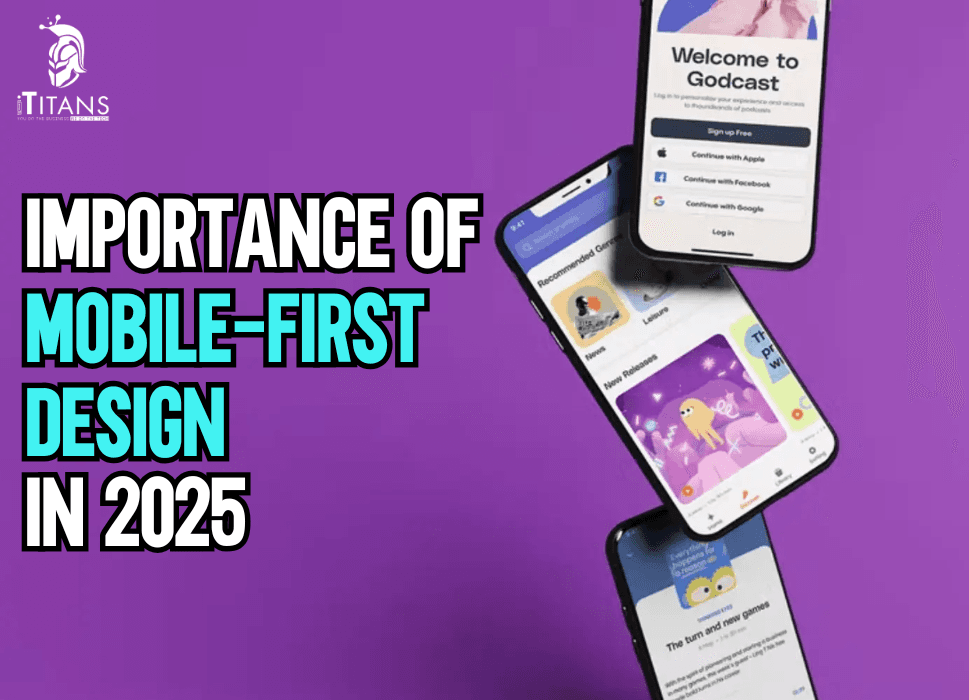
The digital landscape in 2025 is dominated by smartphones. With mobile devices accounting for over 58% of global web traffic (Statista, 2025), there’s no denying the shift in how people interact with online content. Whether users are shopping, browsing, or binge-watching, they’re doing it from the palm of their hands. Having access to an intuitive design makes it easier for the user to make the right decision.
From a business standpoint, not prioritizing mobile experiences in this era is like opening a shop with no door. With a poorly designed, you can lose customers, fall behind on the search engine rankings, and struggle with converting leads. Therefore, it’s important to focus on mobile-first design in 2025
Mobile-First Design: What It Really Means
At its core, mobile-first design means building websites and apps starting with mobile devices in mind—before scaling up to tablets, desktops, and other larger screens. It’s the opposite of the traditional method, which started with desktop layouts and “squeezed” them into smaller formats.
This approach emphasizes content hierarchy, speed, accessibility, and usability, things that are mission-critical on smaller screens. In 2025, with the growing number of foldable smartphones and tablets, wearables, and IoT devices, a mobile-first mindset ensures adaptability and preparedness for the future.
Mobile-first design is exactly what it sounds like: it’s a design philosophy that prioritizes the mobile user experience before scaling up for larger screens like tablets or desktops. Rather than trying to retrofit a desktop layout into a mobile screen, designers start small and work their way up. This approach ensures that the most important content is front and center, navigation is simple, and load times are lightning fast.

The Influence of Mobile First Design in 2025
Here are some facts about how mobile first design is reshaping the revenue and future of businesses in 2025:
· Over 5.5 billion people use mobile devices globally.
· Mobile commerce accounts for 72% of all online purchases.
· Google’s Core Web Vitals heavily favor mobile-optimized pages in search rankings.
These figures underscore the importance of meeting users where they are. Whether it’s a teenager shopping for sneakers or a CEO managing finances, most digital journeys now begin on a smartphone.
User Behavior is Based on Mobile First Design
The numbers don’t lie. According to DataReportal’s 2025 digital report, over 93% of internet users access the web via mobile. Whether it’s Gen Z scrolling through social media, millennials shopping online, or baby boomers checking the news, mobile is the preferred gateway.
Interestingly, 67% of users said they are more likely to buy from a business with a mobile-friendly website. That statistic alone should be enough to make any brand take mobile design seriously. Hence the mobile-first design is a long-term investment and the first impression of your business front as well.
Google Loves Mobile-First Design
Since Google’s switch to mobile-first indexing in 2019, its crawlers primarily use the mobile version of your content for indexing and ranking. Fast forward to 2025, and Google now ranks mobile UX among its top SEO factors. Search engine optimization is crucial for
If your site isn’t optimized for mobile, it might not show up at all in mobile searches—which are the majority. Poor loading speeds, difficult navigation, and clunky layouts can all tank your rankings. On the flip side, a snappy, responsive site built for mobile can climb search results with ease.
Prioritizing Speed with Mobile First Design
Remember the days when you’d wait 10 seconds for a page to load? Not anymore. In 2025, 53% of users will abandon a site if it takes longer than 3 seconds to load, according to Google’s latest web vitals.
Mobile-first design helps eliminate unnecessary bloat. Images are optimized, scripts are minimized, and navigation is streamlined. This not only helps with user retention but also aligns with Google’s Core Web Vitals—metrics that directly impact your search rankings.
eCommerce With Interactive Mobile Design
Ecommerce has gone pocket-sized. By 2025, mobile commerce is expected to make up 73% of total ecommerce sales worldwide (eMarketer, 2025). This includes everything from buying groceries to booking flights.
A mobile-first website ensures that users can scroll, tap, buy, and browse without friction. Think of one-click checkouts, thumb-friendly buttons, and responsive images. If you’re not optimized for mobile, you’re leaving money on the table that counts as your ultimate loss.
Social Media Lives on Mobile
Platforms like Instagram, TikTok, and Snapchat are designed for mobile-first interactions. And now with shoppable posts and integrated payment features, social platforms are not just places to browse—they’re major drivers of conversion.
A mobile-first design ensures your site integrates smoothly with social platforms. It also helps maintain interactive UX/UI when users jump from a social post to your landing page, which can drastically reduce bounce rates and improve engagement.
The Rise of Voice and AI Assistants
Voice search has gone mainstream. With AI assistants like Siri, Alexa, and Google Assistant handling billions of queries, your site’s mobile-friendliness directly influences voice search rankings.
Mobile-first design means optimizing for natural language queries, fast-loading content, and structured data, key ingredients for voice SEO. Plus, conversational interfaces are becoming standard, demanding streamlined, tap-and-talk navigation.
Better Accessibility and Inclusivity
Designing with mobile in mind naturally encourages inclusive practices—larger fonts, simplified navigation, and clearer calls-to-action. This benefits all users, including those with visual or motor impairments.
In 2025, inclusivity is something expected by every user upon interaction with the website. Governments and organizations are implementing stricter accessibility regulations, and mobile-first design helps meet these standards effortlessly.
Cost-Effective Development
Here’s something many overlook: mobile-first design often leads to cheaper, faster development cycles. Starting with the smallest and the most constrained version of your site helps prioritize essential content and functionality. This is the point where you can do more in less time by starting slow and going strong.
Once that’s nailed down, scaling up becomes a process of enhancement rather than redesign. This modular approach saves teams time, reduces technical debt, and ensures consistency across all screen sizes.

Future-Proofing Your Brand
Mobile devices are only the beginning of the handheld devices era. The future carries much more handheld devices like tablets, smartwatches and foldable devices. With emerging tech like AR glasses, smart TVs, and wearable displays, the principles of mobile-first design set a foundation for adaptable, device-agnostic experiences.
In other words, designing mobile-first today makes your content ready for tomorrow’s tech. With a smart and interactive design, businesses can make the right move to make their brand future proof for the upcoming challenges.
Design That Delivers Real Results
Mobile-first isn’t just a pretty buzzword. It delivers real return on investments for a longer time period. Businesses that adopt mobile-first design can deliver the following results:
· 20-40% increase in mobile conversions
· Lower bounce rates
· Better SEO performance
· Higher customer satisfaction scores
Real-life scenario: When Starbucks revamped its site with mobile-first principles, it saw a 16% increase in mobile order revenue within three months. That’s the kind of result that speaks volumes.
Closing the Gap Between Desktop and Mobile
It’s a myth that desktop design should come first. In 2025, most users won’t even touch your desktop version. They’ll make purchasing decisions, consume content, and even contact support directly from their phones.
So why design desktop-first and retrofit for mobile? That’s like building a house and then squeezing it into a tent. The idea is to provide a similar interactive experience for users on mobile devices with the ease of access that you get on a desktop.
Performance Optimization Starts with Mobile
When you build for mobile, performance becomes a natural focus. Lighter assets, fewer animations, and efficient scripts translate to better performance across all devices. Performance optimization is crucial as the user will only stay on the website as long as it quickly responds upon each interaction.
Better better-performing user interface translates into higher engagement, better SEO, and more conversions. Think of it as killing three birds with one mobile-optimized stone. So, you made a website that performs well on handheld devices and on desktop devices as well, no matter the browser or operating system.

How iTitans Focuses on Mobile First Design in Development?
At iTitans, we follow principles that result in development of powerful mobile-first designs in 2025, where user expectations are higher, competition is stiffer, and the mobile experience often defines a brand’s first impression. By implementing these practices, businesses and developers can stay ahead of the curve and deliver modern, efficient, and engaging mobile-first digital experiences.
Start with the Smallest Screen First
In 2025, mobile devices account for over 65% of global web traffic, according to Statista. Therefore, designing for the smallest screen first ensures that your content, layout, and user journey work seamlessly on smartphones, where most users begin their interaction. By prioritizing mobile layouts, designers naturally create a more focused, streamlined user experience that can be progressively enhanced for larger screens. This “progressive enhancement” approach prevents bloated interfaces and reduces unnecessary clutter.
Prioritize Core Content and Functions
On smaller screens, every pixel matters. That’s why it’s essential to identify and prioritize the content and features users need most. In mobile-first design, this usually means simplifying navigation, highlighting CTAs (call-to-actions), and trimming non-essential content. As users expect speed and simplicity on mobile, focusing on primary goals—like browsing products, reading key information, or submitting forms—ensures a frictionless experience.
Emphasize Touch-Friendly Design
With touch being the primary mode of interaction on mobile, interfaces must be optimized for fingers—not mice. In 2025, UI designers are adopting larger tap targets, generous spacing, and intuitive gestures like swipes and long-presses. Google recommends touch targets of at least 48×48 dp to avoid accidental clicks. Making buttons, icons, and menus thumb-friendly boosts usability and prevents user frustration.
Use Responsive Frameworks and Grids
Responsive design isn’t optional—it’s fundamental. Using flexible grids and frameworks like Bootstrap 5 or Tailwind CSS allows designers to build layouts that adapt across screen sizes. These frameworks simplify media queries and fluid scaling, making it easier to transition from mobile to tablet to desktop. With device fragmentation on the rise in 2025, a well-structured responsive base is key to consistency and scalability.
Optimize Load Times and Performance
Speed directly impacts user experience and SEO. In 2025, users expect mobile pages to load in under 2 seconds. Lightweight assets, lazy loading, and compressed images are crucial to meet these expectations. Tools like Google’s Lighthouse and Core Web Vitals help developers identify and fix performance bottlenecks. A fast-loading mobile design not only retains users but also earns favor with search engines.
Implement Adaptive Navigation Patterns
Navigation must feel intuitive and accessible on mobile. Patterns like bottom navigation bars, hamburger menus, or slide-out side menus are standard in 2025. However, it’s important to test which pattern best suits your audience and app context. The goal is to ensure users can find what they need without excessive tapping or scrolling. Clear labeling and concise menus contribute to smoother user journeys.
Leverage Mobile-Optimized Typography
Legible text is a non-negotiable for mobile-first design. Designers in 2025 are using scalable typography, larger font sizes, and increased line height to enhance readability on smaller screens. A base font size of 16px or higher is now standard practice. Moreover, choosing web-safe fonts and ensuring proper contrast ratios aligns with both accessibility standards and mobile usability best practices.
Design for One-Handed Use
Users often navigate their phones using one hand, especially on the go. Therefore, placing important buttons, menus, and interactions within the “thumb zone” makes your app or site easier to use. In 2025, ergonomic considerations are a core component of UI design. Designers use heatmaps and thumb reach maps to determine the most accessible areas on the screen and avoid placing crucial actions in hard-to-reach corners.
Use Progressive Enhancement for Larger Screens
Mobile-first doesn’t mean mobile-only. Once the mobile version is complete, designers progressively enhance the experience for tablets and desktops. This can include adding richer animations, multi-column layouts, or advanced interactions suitable for larger displays. By building up instead of scaling down, developers maintain a consistent UX while making full use of available screen real estate.
Conduct Mobile-Centric User Testing
Testing on mobile devices is more important than ever in 2025. With varied screen sizes, OS versions, and device capabilities, mobile-centric usability testing helps uncover real-world issues. Tools like BrowserStack and real-user session replays help ensure your mobile design performs under different conditions. Gathering feedback from actual mobile users allows you to fine-tune both design and performance.
Utilize Scalable Vector Graphics (SVGs)
To maintain visual clarity on high-resolution mobile displays, SVGs are preferred over PNGs or JPEGs for icons and illustrations. In 2025, SVGs will be widely adopted due to their scalability and low file size. They render crisply across all screen sizes and adapt well to dark mode—a growing preference among mobile users. Including SVG ensures a polished, professional look across the board.
Integrate Mobile-First SEO Practices
Search engines like Google prioritize mobile-friendly pages in their rankings, especially after the mobile-first indexing rollout. This means that your mobile version must be fully optimized—clean URL structures, fast load speeds, accessible navigation, and meaningful metacontent. A strong mobile-first SEO approach in 2025 drives organic traffic and aligns perfectly with user behavior patterns.
Design with Accessibility in Mind
Mobile-first design must accommodate all users, including those with disabilities. In 2025, accessibility compliance is both a legal requirement and a moral imperative. This includes features like proper alt text, high-contrast elements, keyboard navigation compatibility (for screen readers), and clear focus states. Building an inclusive mobile experience not only broadens your audience but enhances your brand reputation.

Prioritize Cross-Browser and Cross-Device Compatibility
Different browsers and devices render content differently. Mobile-first design in 2025 requires thorough cross-browser testing to ensure a consistent experience. This includes checking Chrome, Safari, Firefox, and Microsoft Edge across iOS and Android platforms. Using modern CSS techniques and fallbacks and avoiding deprecated HTML elements ensures seamless rendering across all environments.
Incorporate Modern Device Features
Smartphones in 2025 come with advanced capabilities—biometric authentication, haptics, voice input, and AI-based predictive UI. Mobile-first design means leveraging these features where appropriate to enhance user experience. For example, integrating voice commands or fingerprint login can speed up tasks and make interfaces more intuitive. Aligning with evolving mobile hardware unlocks innovative, user-friendly functionality.
Focus on Minimalist Aesthetic and UI Clarity
Minimalist design isn’t just a trend—it’s a necessity for mobile-first success. Reducing visual clutter, using whitespace effectively, and guiding users with clear visual hierarchies improve usability on small screens. In 2025, a flat design combined with subtle shadows and animations creates a clean, engaging UI. A minimal approach ensures that users can focus on what matters most without distraction.
Use Data Analytics to Refine Mobile UX
The mobile-first design doesn’t end at launch. By integrating analytics tools like Google Analytics 4 or Mixpanel, teams can track user behavior on mobile and identify drop-off points or friction areas. This data-driven approach helps you iterate and optimize continuously. In 2025, agile design teams will rely on behavioral insights to evolve the mobile experience in real-time.
Collaborate with Developers from the Start
A successful mobile-first project requires close collaboration between designers and developers. By involving front-end developers early, you ensure that the design is technically feasible and performance-friendly. In 2025, many teams will use design systems and Figma-to-code integrations to maintain consistency and speed up handoff. Clear communication bridges the gap between creative vision and functional reality.
To wrap things up, mobile-first design is not just about adopting a good practice. It’s a way of making your business more recognizable, retaining new customers, and converting leads. In a mobile-dominated world, brands that fail to adapt are left in the digital dust.
Whether you’re a startup, a content creator, or a multinational brand, embracing mobile-first principles is the smartest decision you can make in 2025. It’s not about chasing trends. It’s about meeting users where they are and let’s face it, they’re on their phones. So if you are ready to get a future ready mobile app for your business, feel free to contact iTitans and share your requirements to get a mobile app that resonates with your audience and your business.
FAQs
Why is mobile-first design more critical than ever in 2025?
Mobile-first design is essential in 2025 because over 60% of global internet traffic comes from mobile devices, according to Statista. With Google’s mobile-first indexing, your site is ranked primarily by how it performs on mobile. That means if your mobile experience stinks, your search rankings will too. It’s no longer optional—it’s the front door of your digital presence.
How does mobile-first design impact SEO rankings in 2025?
Google now uses the mobile version of your website for indexing and ranking, thanks to mobile-first indexing. So, if your mobile site is slow, hard to navigate, or stripped down compared to your desktop version, your SEO performance can tank. Sites optimized for mobile tend to have faster loading speeds, better UX, and lower bounce rates—all ranking signals Google loves.
What’s the difference between responsive and mobile-first design?
Responsive design adapts to fit any screen size, starting from the desktop down to mobile. Mobile-first, on the other hand, starts from the smallest screen up. That means designers prioritize core content and functionality for mobile users first, then enhance it for tablets and desktops. In 2025, mobile-first is winning because it ensures your site is streamlined, speedy, and user-friendly on smartphones—which is where most traffic comes from.
Are mobile-first websites faster than traditional ones?
Yes! Mobile-first sites are designed to be lightweight and fast, focusing only on essential elements first. This lean structure reduces page load time. According to Google, 53% of mobile users abandon sites that take over 3 seconds to load. Speed isn’t just about convenience anymore—it’s survival.
What are the top user experience benefits of mobile-first design?
Mobile-first design enhances readability, touch interactions, and navigation for users on small screens. It forces clarity by prioritizing concise content, intuitive layouts, and thumb-friendly buttons. In 2025, people expect seamless scrolling, fast responses, and content that “just works” on their phones—even in low-bandwidth environments.
Is mobile-first design essential for e-commerce success in 2025?
Absolutely. With over 70% of e-commerce sales now happening on mobile, a mobile-first approach can directly impact your bottom line. Mobile-first stores typically see higher conversion rates, better customer retention, and reduced cart abandonment due to frictionless checkout flows. Brands that ignore this trend risk losing out to more agile competitors.
What role does Core Web Vitals play in mobile-first design today?
Core Web Vitals—metrics like LCP (Largest Contentful Paint), FID (First Input Delay), and CLS (Cumulative Layout Shift)—are all about real user experience. These vitals are especially sensitive on mobile because screens are smaller and connections can be weaker. Google uses these as ranking factors, making them critical for mobile-first SEO strategies in 2025.
How can I tell if my website is mobile-first?
Check how your site loads on a mobile device. Ask: Is it easy to navigate with one thumb? Are fonts readable without zooming? Does it load in under 3 seconds? Use tools like Google’s Mobile-Friendly Test and PageSpeed Insights to measure performance. If your mobile site feels like an afterthought, chances are, it is.
Does mobile-first design reduce bounce rates?
Yes, when done right. Mobile-first websites are more likely to engage users quickly, thanks to faster loading, optimized visuals, and intuitive design. A study by Think with Google found that a 1-second improvement in load time can boost mobile conversion rates by up to 27%. That’s huge when it comes to keeping users around.
What industries benefit most from mobile-first design in 2025?
While all industries gain from mobile-first, retail, food delivery, real estate, travel, and healthcare see the biggest returns. These sectors rely on quick decision-making and on-the-go access. A clunky mobile site can mean lost leads or sales. In 2025, even B2B businesses are embracing mobile-first strategies to cater to time-strapped decision-makers.
Related Posts