
How Much Does It Really Cost to Build a SaaS Application?
If you’ve ever considered creating a SaaS application, one of the first questions that probably popped into your mind is: how much is this going to cost me? It’s a fair question and not a simple one.
Building a SaaS (Software as a Service) app is an exciting journey, but like any major endeavor, it involves careful financial planning. There’s no one-size-fits-all answer. The cost to develop a SaaS app can swing dramatically based on your goals, features, scalability, technology stack, and development team. For starters, you can go with MVP development with minimum cost and then go with full-scale development later.
Still, that doesn’t mean you have to venture into this blind. In this article, we’ll walk through the real-world factors that influence SaaS development costs, break down actual estimates based on industry trends, and help you understand what you’re really paying for.
Let’s do a complete breakdown of the dollars and sense behind building a SaaS product in 2025.
SaaS Development in 2025: A Growing Market with High Stakes
Before we break down the costs, it’s worth noting that SaaS isn’t just a buzzword anymore, it’s a booming industry just like website and mobile app development.
According to a recent report by Statista, the global SaaS market is projected to reach $247.1 billion by the end of 2025, up from $197 billion in 2023. Startups and enterprises alike are moving to cloud-based platforms faster than ever.
This explosive growth comes with opportunity and competition. That means your app not only needs to be functional, but also polished, secure, scalable, and user-friendly. That level of refinement doesn’t come cheap, and the price tag will reflect that.
7 Core Factors That Influence SaaS Application Costs
Building a SaaS product isn’t just about hiring a couple of developers and cranking out code. You’re creating a digital business, and each component has a cost associated with it from the tech stack to the user experience.

Let’s talk about the factors that influence cost of SaaS application development in 2025:
1. Scope and Complexity of Features
The most obvious factor? What your app actually does. A simple SaaS platform with basic user registration, dashboards, and subscription management will cost far less than a full-blown enterprise-grade app with AI integrations, real-time collaboration, custom analytics, and third-party API support.
Typically, these features include:
- User authentication and authorization
- Admin dashboards
- Analytics and reporting
- Notifications (email, SMS, in-app)
- Subscription and billing systems
- Integrations with other platforms (e.g., CRM, marketing tools)
- Mobile app counterparts (iOS/Android)
The more features you need, the more time and talent it will take to build and that raises the cost.
2. Design: UI/UX is Not Optional
In today’s SaaS landscape, good design is a must, not a luxury. According to Adobe, companies that invest in user experience see a 400% higher conversion rate than those that don’t. That’s a game-changer.
Creating a seamless, intuitive experience requires collaboration between UI/UX designers and front-end developers. You’ll want clickable prototypes, wireframes, branding guidelines, and accessibility testing. These activities not only enhance the look and feel but also reduce churn.
- Estimated design cost: Anywhere from $10,000 to $50,000, depending on complexity and number of screens.
3. Development Team: Who’s Building It?
This is where the numbers can really fluctuate. Who you hire makes a huge difference in cost? You essentially have three options:
- Freelancers: Cheaper, but riskier. Coordination, quality, and scalability can be issues.
- In-house team: Great for control and long-term ownership, but expensive to maintain (salaries, benefits, hiring time).
- Outsourced development company: A balanced middle ground offering speed, quality, and flexibility—often at a better price.
In the U.S., average hourly rates for experienced SaaS developers range between $80–$150/hr. Offshore teams (e.g., Eastern Europe, South Asia) may charge $30–$60/hr, but you’ll want to vet them for quality and communication.
4. Backend Infrastructure and Hosting
SaaS apps are cloud-native by default. You’ll need to choose where your backend lives—Amazon Web Services (AWS), Google Cloud Platform (GCP), or Microsoft Azure are the big players.
Then there are the add-ons: CI/CD pipelines, serverless functions, Kubernetes orchestration, monitoring tools like Datadog, and database management systems.
This is what you should expect to pay:
- $500 to $5,000/month for cloud infrastructure at MVP stage
Higher as your user base grows (e.g., storage, compute, bandwidth costs)
5. Security, Compliance, and Data Privacy
Handling user data responsibly is non-negotiable. Whether it’s GDPR, HIPAA, or SOC 2 compliance, you’ll need to implement security features like encryption, multi-factor authentication, access control, and secure APIs.
Security-related development can add 10-15% to your budget, but it’s worth every penny to avoid legal headaches or data breaches.
6. Marketing, Analytics, and SEO
- A SaaS product doesn’t just sell itself. You’ll need:
- Performance tracking (Google Analytics, Mixpanel)
- Marketing integrations (email marketing tools, CRMs)
- SEO optimization (especially for SaaS products with web portals)
- Landing pages and conversion funnels
Early marketing integration can add $5,000–$20,000, but it helps position your product right from day one.
7. Maintenance and Continuous Development
SaaS isn’t a “set it and forget it” type of platform. You’ll need constant monitoring, regular updates, feature rollouts, and user support. Post-launch maintenance can cost about 15-20% of the initial development budget per year.
Let’s say you spend $200,000 to launch your app—you can expect around $30,000–$40,000 annually to keep it running smoothly.
So… What’s the Bottom-Line Cost?
Let’s put all that together. Based on recent industry data, here’s what you can expect:
- Basic SaaS MVP: $60,000 – $120,000
- Mid-range SaaS Product: $120,000 – $250,000
- Enterprise-level SaaS Platform: $250,000 – $500,000+
These figures reflect the total cost, including design, development, infrastructure, testing, and initial marketing, from ideation to launch.
If you go the in-house route in the U.S., the costs could be even higher. On the other hand, partnering with a globally-savvy agency like iTitans can bring efficiency and savings without compromising quality.

Why iTitans is a Smart Choice for SaaS Development?
Here’s where iTitans enters the conversation. Based in the United States and with a global reach, iTitans has positioned itself as a go-to partner for startups and enterprises building high-quality digital products, including SaaS apps.
Here is what sets iTitans apart from rest of the SaaS development companies:
End-to-End Expertise: From UI/UX design to backend architecture, iTitans covers the full development lifecycle.
MVP-Friendly: If you’re just testing your product in the market, iTitans specializes in lean MVP development to get you up and running fast, without burning through your budget.
Cross-Platform Strength: Their mobile and web development teams are proficient in technologies like React, Flutter, Node.js, Python, and more.
Strategic Digital Marketing: Beyond development, iTitans supports your launch with services like SEO, paid ads, and social media marketing.
Flexible Collaboration Models: Whether you need a fully managed team or staff augmentation to complement your in-house talent, iTitans adapts to your business needs.
Their track record includes eCommerce platforms, enterprise software, and mobile apps, all built with a deep focus on scalability, performance, and user experience.
If you’re looking for a trusted tech partner to build your SaaS app, iTitans offers the perfect blend of cost-efficiency, technical expertise, and market understanding.
How to Lower the SaaS Application Development Costs Without Sacrificing Quality?
When it comes to building a SaaS application, the costs can range anywhere between $25,000 to $700,000, depending on features, team structure, and tech complexity. However, even with such a broad range, many startups and businesses often overspend unnecessarily.
The good news? You can significantly reduce your SaaS development expenses without cutting corners on quality. Below are practical, data-backed strategies to help optimize your budget wisely. Here are the 17 ways you can save both quality and cost in SaaS app development.
1. Define a Clear Product Vision and Scope
Unclear product goals lead to feature creep and increased rework. Before any coding begins, create a detailed Product Requirements Document (PRD) outlining core features, user flows, and desired outcomes.
According to CB Insights, 35% of startups fail due to no market need, often caused by poor planning. A well-defined scope saves time, reduces unnecessary features, and aligns the team on what to build and why.
2. Start with a Minimum Viable Product (MVP)
An MVP allows you to test your idea with minimum features while collecting user feedback early. Developing a full product upfront often leads to waste if it doesn’t resonate with users. Building an MVP can reduce costs by up to 60%, according to DevSquad. Focus on building only the core features needed to solve your audience’s primary pain point, then scale as needed.
3. Use Agile Development Methodology
Agile allows incremental progress through short development cycles called sprints. This method helps identify issues earlier and enables flexibility to adapt.
According to the Project Management Institute, agile projects are 28% more successful than traditional ones. Agile reduces costly rework, shortens time to market, and improves resource efficiency through regular testing and feedback loops.
4. Leverage Open-Source Tools and Frameworks
Using open-source technologies like React, Node.js, PostgreSQL, or Firebase can cut licensing costs significantly. These tools offer robust community support and scalability for most SaaS needs. Studies by Red Hat indicate that 80% of modern IT infrastructure relies on open-source software, reducing both direct and indirect expenses without compromising performance.

5. Outsource to Cost-Effective Regions
Hiring developers from high-cost regions like the US or Western Europe can inflate your budget. Instead, consider skilled professionals from Eastern Europe, Southeast Asia, or Latin America.
According to Accelerance, outsourcing to countries like India or Ukraine can reduce development costs by 40-70%, while still accessing experienced talent.
6. Adopt a Microservices Architecture
Instead of a monolithic structure, microservices break your app into independent, modular services. This approach enhances scalability, fault isolation, and simplifies updates. Though initial planning may take time, long-term maintenance becomes easier and cheaper. A report from IBM states that microservices reduce development and maintenance time by up to 30%.
7. Reuse Existing Code and Components
Don’t reinvent the wheel. Use pre-built components, UI kits, or design systems to save development and design time. Platforms like GitHub, Material-UI, and Bootstrap offer reusable assets that reduce front-end development costs by up to 25%. It also speeds up prototyping and ensures design consistency across your SaaS product.
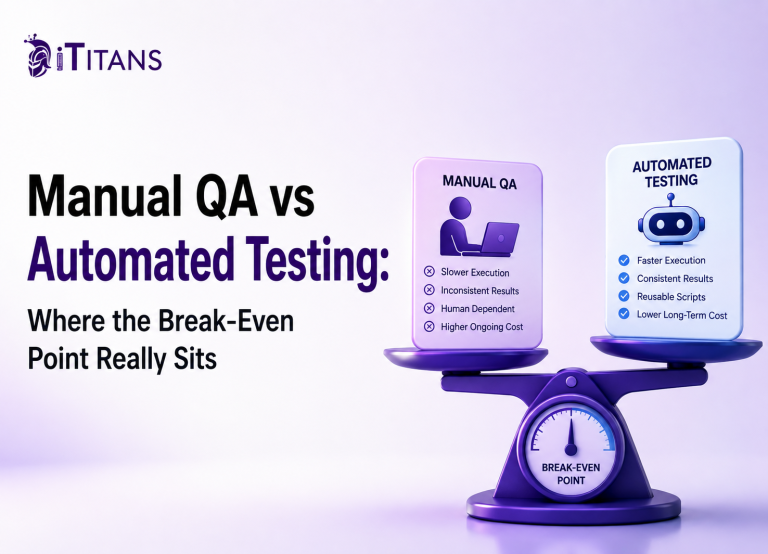
8. Automate Testing and Deployment
Manual testing and deployment slow down progress and increase labor costs. Automated testing tools like Selenium, Jest, or Cypress allow for faster bug identification and quality assurance.
Continuous Integration/Continuous Deployment (CI/CD) pipelines also reduce human error. McKinsey reports companies using DevOps automation achieve 20-25% shorter delivery cycles and reduced defect rates.
9. Opt for Cloud Infrastructure with Usage-Based Pricing
Avoid upfront costs by leveraging cloud service providers like AWS, Azure, or Google Cloud. Use pay-as-you-go pricing models to pay only for what you use. Gartner reports that businesses using cloud platforms reduce infrastructure costs by up to 30%, while gaining flexibility and scalability.
10. Use No-Code/Low-Code Platforms for Prototyping
Platforms like Bubble, OutSystems, or Webflow allow teams to quickly build and iterate prototypes without extensive coding. These tools are especially effective in the early stages and can save up to 70% of development time, according to Forrester. This means faster market entry and lower development overhead.
11. Conduct Regular Code Reviews and QA
Code reviews help detect bugs early and ensure best practices are followed. Combined with ongoing QA testing, they prevent major system failures or costly rewrites later on.
According to SmartBear, companies with strict code review protocols reduce post-release defects by up to 50%, which ultimately cuts maintenance costs.
12. Monitor Application Metrics from Day One
Integrating analytics tools like Mixpanel, Google Analytics, or Datadog early helps you monitor feature usage, user behavior, and performance. This allows data-driven decision-making and eliminates investments in unused or underperforming features.
Studies show that data-driven companies are 23 times more likely to acquire customers and 19 times more likely to be profitable.
13. Choose the Right Tech Stack
A wrong tech stack can increase development complexity and hinder performance. Always pick technologies that match your team’s expertise and app requirements. A lightweight, modern stack like MERN (MongoDB, Express, React, Node.js) or LAMP can minimize server costs and scale effectively, lowering the total cost of ownership.
14. Implement Scalable DevOps Practices
DevOps ensures smooth collaboration between development and operations teams, automating infrastructure and streamlining workflows. Tools like Docker, Kubernetes, Jenkins, and Terraform allow fast deployment and rollback with minimal cost.
According to the Puppet State of DevOps report, high-performing DevOps teams deploy code 46 times more frequently with 5 times fewer failures.
15. Maintain a Lean Team Structure
Instead of hiring large teams upfront, start with a cross-functional core team comprising a developer, designer, and product manager. Supplement with freelancers or contractors as needed. A lean structure improves communication and speeds up execution. TechCrunch reports that many SaaS unicorns began with teams of 5-10 people, proving quality doesn’t require size.
16. Validate Your Idea with Target Users Early
User interviews, surveys, and landing page experiments can confirm demand before you build anything. Early validation avoids spending months building features nobody wants.
According to the Lean Startup method, validated learning can reduce product failure rates by up to 60%, making it one of the most cost-effective strategies.

17. Use Subscription-Based SaaS Tools Instead of Building Everything
Don’t build internal tools when SaaS products can do it better and cheaper. For instance, use Auth0 for authentication, Stripe for payments, and SendGrid for email services. These tools cost less than building from scratch and offer security, compliance, and updates out of the box.
It’s Not Just a Product, It’s a Long-Term Business
Building a SaaS application isn’t just about writing code, it’s about creating a digital business from the ground up. The costs involved are real and significant, but they reflect the value you’re creating for your users and, ultimately, for your company.
Don’t fall into the trap of thinking cheaper is always better. Instead, think long-term: who can help you build a product that not only launches but also lasts?
Whether you’re just starting out or planning to scale, understanding the cost of SaaS development arms you with the clarity and confidence to move forward. And with experienced teams like iTitans by your side, that journey becomes a lot more manageable and a lot more exciting.
Ready to get your next SaaS built while saving cost and time? Contact now and share your requirements to get a free consultation for what’s best for your business.
FAQs
What’s the average cost to build a SaaS application in 2025?
On average, building a SaaS application in 2025 can cost anywhere from $70,000 to $250,000, depending on complexity, features, and development team location. A simple MVP might be done for under $100K, while enterprise-level platforms with integrations, AI, and custom dashboards can easily surpass $500K. The rise of no-code tools is helping startups reduce costs, but full-scale builds still require experienced dev teams.
Why is there such a wide range in SaaS development costs?
The cost difference usually comes down to three major things: feature set, technology stack, and the team you hire. A basic app with a login and dashboard is much cheaper than one with real-time analytics, advanced permissions, or custom APIs. Additionally, hiring a U.S.-based team can cost 2-3x more than working with developers in Eastern Europe or Asia.
How much does it cost to build an MVP (Minimum Viable Product) for a SaaS app?
An MVP for a SaaS app typically ranges between $20,000 and $100,000. This version includes only core features like user registration, authentication, basic dashboard, and minimal integrations. It’s the quickest and most budget-friendly way to test market demand before investing heavily in development.
Does using no-code or low-code platforms significantly reduce costs?
Absolutely! No-code and low-code tools like Bubble, OutSystems, or Webflow can reduce development costs by up to 70%, especially for early-stage startups. These platforms allow faster prototyping and reduced reliance on engineering teams. However, they may have limitations in scalability and customization compared to traditional coding.
How do developer rates impact the total cost of building a SaaS product?
Developer rates can make or break your budget. In 2025, U.S. developers typically charge $100–$250/hour, while offshore developers in Eastern Europe or South Asia might charge $25–$80/hour. If your project takes 1,000 hours, you’re looking at anywhere from $25,000 to $250,000, purely based on geography and experience level.
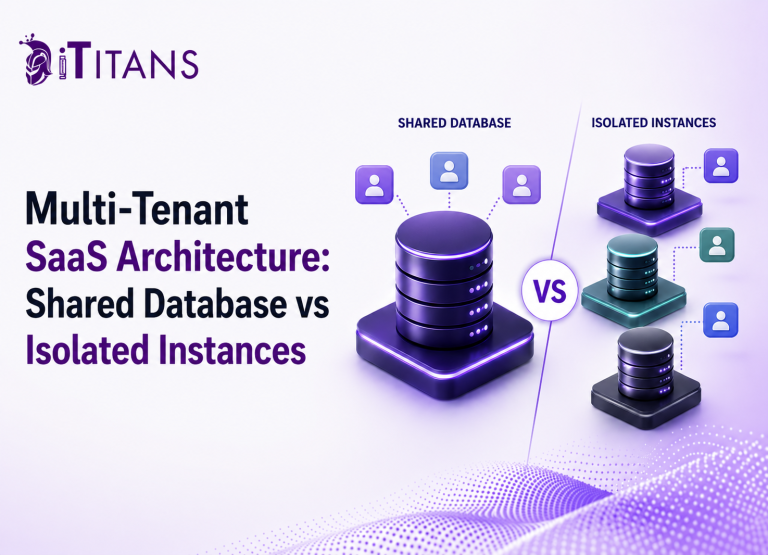
What features usually cost the most in a SaaS application?
Complex features like real-time data syncing, multi-tenant architecture, advanced reporting, payment integrations, and role-based access control often spike development costs. Also, incorporating AI or machine learning, even at a basic level, can add $10,000–$50,000 to your overall budget depending on the level of customization.
How do design and UX/UI affect SaaS app development costs?
A well-designed UX/UI isn’t cheap, but it’s crucial. High-quality design can add $10,000 to $40,000 to the total budget. Custom design takes time and impacts user retention, onboarding, and overall experience. Skipping on this might save you money upfront but hurt you in the long run with higher churn rates.
Are there any hidden or recurring costs after launching a SaaS product?
Yes, and they add up quickly! You’ll need to budget for server hosting (e.g., AWS, Azure), maintenance, customer support, marketing, and third-party integrations. On average, monthly maintenance and cloud hosting can cost $1,000 to $5,000, depending on traffic and storage requirements.
How long does it take to build a SaaS application from scratch?
Time is money here. A basic SaaS app can take 3 to 6 months, while more complex platforms may require 9 to 18 months. This timeline includes planning, design, development, testing, and initial deployment. Longer timelines also mean higher costs, especially when paying hourly rates.
Is it cheaper to outsource SaaS development or hire an in-house team?
Outsourcing is typically cheaper and faster, especially for early development. Hiring in-house might cost more upfront (due to salaries, benefits, and overhead) but offers more control in the long run. Many startups begin with outsourced teams and then transition in-house once they achieve product-market fit.
Related Posts