
How Mobile Apps Are Powering the GCC Startup Economy
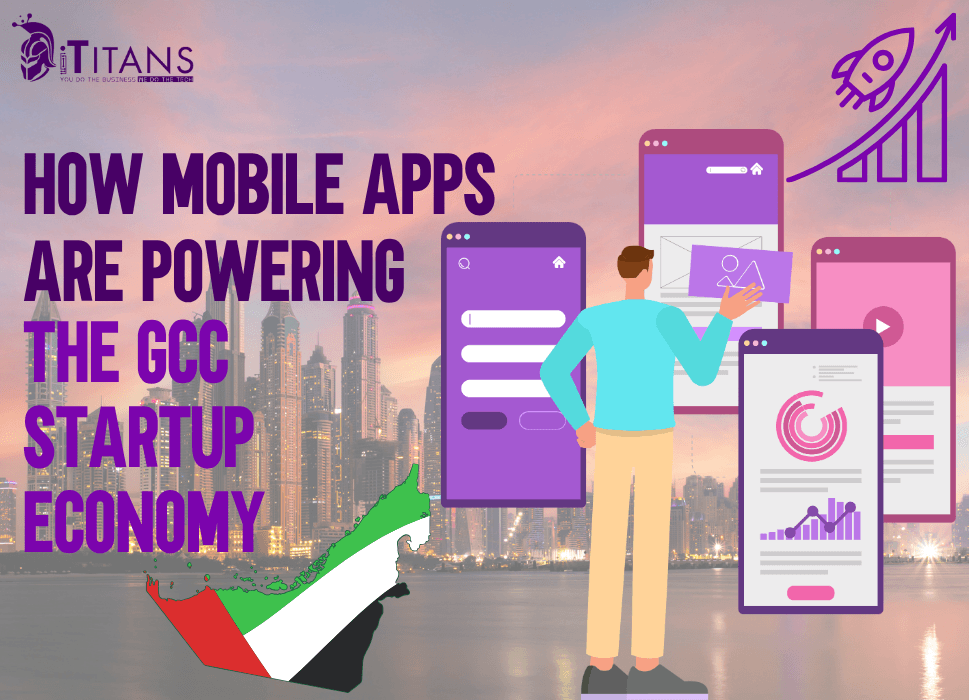
The GCC startup ecosystem is moving faster than ever, and mobile apps are right at the center of that growth. Across countries like Saudi Arabia, United Arab Emirates, Qatar, Bahrain, Kuwait, and Oman, startups are using mobile technology to reach customers faster, launch digital products with lower operational costs, and build scalable businesses from day one.
Whether it’s fintech, food delivery, eCommerce, healthcare, logistics, or EdTech, mobile-first platforms are helping entrepreneurs turn ideas into revenue-generating businesses. With smartphone penetration above 90% in most GCC nations and governments actively investing in digital transformation, the region has become one of the world’s most exciting startup markets for mobile innovation.
The Rise of the GCC Startup Ecosystem
Over the last decade, the GCC region has transformed into a major hub for startups and technology-driven businesses. Governments across the Gulf are pushing ambitious economic diversification plans to reduce dependence on oil revenues, and digital entrepreneurship has become a major part of that vision.
Saudi Arabia’s Vision 2030 and the UAE’s ongoing digital economy initiatives are encouraging startups, venture capital firms, and tech entrepreneurs to invest heavily in mobile-driven businesses. This has created a strong environment for mobile app development, SaaS platforms, AI-powered products, and on-demand services.
How GCC Apps are Contributing to the Economy?
According to recent market reports, GCC app downloads are growing five times faster than the global average, while in-app revenue has crossed $700 million in a single quarter. These numbers clearly show that mobile apps are no longer optional for startups in the Gulf. They are becoming the main channel for customer engagement, transactions, and business growth.
GCC Apps and Consumer Behavior
Another major reason behind this startup boom is the region’s young population. In countries like Saudi Arabia, a large percentage of the population is under 35 years old, creating a digitally active audience that prefers mobile experiences over traditional services.
This shift in consumer behavior has pushed startups to prioritize iOS app development, Android app development, cross-platform app development, UI/UX design services, and cloud-based mobile platforms from the very beginning of their journey.

Why Mobile Apps Are Essential for GCC Startups
In the GCC market, customers expect convenience. They want services instantly, and they want them on their smartphones. That’s exactly why mobile apps have become critical for startups trying to compete in industries that are rapidly becoming digital-first.
How Startups Benefit
A startup with a strong mobile application can directly connect with customers, gather user behavior data, process payments, send notifications, and personalize experiences in real time. Compared to traditional business models, mobile apps allow startups to scale much faster without requiring massive physical infrastructure.
For example, a food delivery startup in Dubai can onboard thousands of restaurants and customers through a mobile platform without opening physical branches. Similarly, fintech startups in Riyadh can offer digital banking experiences entirely through mobile apps.
This flexibility gives startups the ability to experiment, improve features quickly, and respond to market trends almost instantly.
Impact of Smartphone Penetration
The GCC region also has one of the highest smartphone penetration rates globally. In the UAE, smartphone penetration exceeds 96%, while Saudi Arabia remains above 95%. These numbers create the perfect environment for mobile-first businesses.
Consumers in the Gulf are already comfortable using apps for:
- Banking
- Online shopping
- Food delivery
- Ride-hailing
- Government services
- Entertainment
- Healthcare consultations
- Education platforms
That existing behavior makes it easier for startups to enter the market with innovative mobile experiences.
Fintech Apps Are Changing the Startup Landscape
One of the fastest-growing sectors in the GCC startup economy is fintech. Mobile banking apps, payment gateways, digital wallets, investment platforms, and Buy Now Pay Later services are rapidly gaining traction across the region.
Saudi Arabia and the UAE have become key fintech hubs because regulators are actively supporting innovation through digital banking licenses and fintech sandboxes.
Finance apps in the GCC have recorded more than 30% annual growth in recent years. This surge is creating massive opportunities for startups focused on digital payments, expense management, lending, cryptocurrency platforms, and AI-driven financial services.
Consumers are increasingly moving away from traditional banking systems and preferring mobile-friendly financial tools that offer convenience and faster transactions.
This trend has significantly increased demand for:
- Fintech app development
- Secure payment gateway integration
- Mobile wallet development
- Banking software development
- AI-powered financial apps
- Blockchain app development
Startups entering the fintech space now understand that mobile experience plays a huge role in customer trust and retention. A poorly designed app can quickly drive users away, while a seamless user interface can help startups gain rapid market adoption.
Role of eCommerce Apps in GCC Startup Growth
eCommerce has exploded across the GCC, especially after businesses and consumers shifted heavily toward digital purchasing behavior.
Today, startups are launching mobile shopping platforms for everything from fashion and electronics to groceries and luxury products. Customers in the GCC expect smooth checkout experiences, fast delivery tracking, Arabic language support, and personalized product recommendations.
This demand has accelerated the growth of custom mobile app development services throughout the region.
Saudi Arabia alone has seen major growth in social commerce and mobile shopping behavior. Startups are now combining social media engagement with mobile commerce features to drive conversions directly through apps.
The success of these startups depends heavily on factors like:
User Experience
A simple and intuitive interface increases customer engagement and retention.
Mobile Payment Integration
Customers expect secure and quick digital payment options.
Scalable Infrastructure
As startups grow, apps must handle increased traffic and transactions without performance issues.
Localization
Arabic-first experiences and local payment support are becoming essential in GCC markets.
This has made mobile commerce app development one of the most requested digital services across the Gulf region.
How Super Apps Are Influencing Startup Strategies
The concept of super apps is becoming increasingly popular across the GCC. Instead of using separate apps for food delivery, transport, payments, and shopping, users prefer integrated ecosystems that offer multiple services within one platform.
This trend is shaping how startups build their digital products.
Rather than focusing on a single feature, many GCC startups now design mobile ecosystems that allow users to access several services through one application.
For example, a startup may begin as a ride-hailing app but later expand into grocery delivery, mobile payments, loyalty programs, and insurance services.
This strategy increases user engagement while reducing customer acquisition costs.
To support these business models, startups are investing heavily in:
- API integration services
- Cloud app development
- AI integration
- Real-time analytics
- Scalable backend development
- Cross-platform mobile frameworks
The super app trend is also pushing startups to think beyond local markets and build platforms capable of regional expansion.
Government Initiatives Supporting Mobile Innovation
Governments across the GCC are heavily investing in digital transformation, and this support is giving startups a major boost.
Saudi Arabia’s Vision 2030 initiative has accelerated investment in technology infrastructure, smart cities, and entrepreneurship. The UAE has positioned itself as a global innovation hub with startup-friendly regulations and digital business initiatives.
These government-led projects are increasing opportunities for startups in sectors like:
- Smart mobility
- HealthTech
- EdTech
- GovTech
- AI-driven automation
- Logistics technology
As governments digitize services, startups are finding opportunities to create supporting mobile platforms that improve accessibility and user convenience.
Qatar’s National Vision 2030 and Oman’s Vision 2040 are also driving demand for digital services and mobile platforms.
The result is a growing demand for:
- Enterprise mobile app development
- SaaS application development
- AI-powered business tools
- Mobile-first customer platforms
- Digital transformation services
This environment creates enormous opportunities for startups with innovative mobile business ideas.

AI and Mobile Apps Are Fueling the Next Growth Phase
Artificial intelligence is quickly becoming part of the GCC startup ecosystem. Startups are integrating AI into mobile apps to improve personalization, automate customer support, enhance recommendations, and optimize operations.
From AI-powered shopping assistants to fintech fraud detection systems, AI is helping startups deliver smarter mobile experiences.
Recent reports show AI-powered software apps contributed to a 77% increase in in-app revenue growth in the region.
This rapid AI adoption is increasing demand for:
- AI app development
- Machine learning integration
- Chatbot development
- Predictive analytics
- Intelligent automation
- AI-driven customer engagement tools
The combination of AI and mobile technology is allowing GCC startups to compete on a global scale while serving local markets more effectively.
Growing Importance of Arabic-First Mobile Experiences
Localization matters a lot in the GCC market. Users prefer apps that understand regional behavior, language preferences, and cultural expectations.
Many startups entering the GCC are now designing Arabic-first mobile experiences instead of simply translating English interfaces.
This shift has changed how businesses approach:
- UI/UX design
- Mobile content strategy
- Customer onboarding
- Voice search optimization
- Digital payment integration
Apps that feel local tend to perform better because users trust platforms that reflect their preferences and daily habits.
This growing emphasis on localization is creating opportunities for companies specializing in mobile app design services, UX research, multilingual app development, and user-centric digital experiences.
How Mobile Apps Are Helping GCC Startups Scale Internationally
One of the biggest advantages of mobile-driven startups is scalability. A startup built around a digital platform can expand into new cities and countries much faster than traditional businesses.
This is especially important in the GCC, where startups often aim to expand across multiple Gulf countries after achieving traction in one market.
Mobile apps make regional expansion easier because businesses can:
- Add multilingual support
- Integrate regional payment gateways
- Customize services by location
- Launch digital marketing campaigns quickly
- Gather market data in real time
Cloud infrastructure and scalable mobile architecture also help startups manage growth without massive upfront investments.
This regional scalability has attracted strong investor interest in GCC startups focused on mobile technology.
According to reports, GCC startup infrastructure and SaaS adoption continue to grow rapidly, with billions invested in the ecosystem.
The Impact of Mobile Apps on Employment and Entrepreneurship
Mobile technology is not just creating businesses in the GCC — it is also creating jobs and entrepreneurial opportunities.
The growth of startups has increased demand for:
- Mobile app developers
- UI/UX designers
- Product managers
- AI engineers
- Cloud architects
- Digital marketers
- Cybersecurity experts
Freelancers and small development agencies are also benefiting from the region’s expanding startup ecosystem.
As more entrepreneurs launch digital businesses, the demand for software development services continues to increase across the Gulf region.
This growth is helping the GCC transition toward a knowledge-based economy driven by technology and innovation.
Challenges GCC Startups Face in Mobile App Development
Despite the opportunities, startups in the GCC still face several challenges when building mobile products.
- One major challenge is competition. As the market grows, users have higher expectations regarding app quality, performance, and user experience.
- Consumers in the GCC compare local apps with global platforms like ride-hailing giants, international banking apps, and leading eCommerce brands. That means startups must deliver polished digital experiences from day one.
- Another challenge is compliance and data regulations. Countries in the GCC are strengthening digital privacy and cybersecurity frameworks, especially in fintech and healthcare sectors.
Startups must invest in:
- App security testing
- Data encryption
- Secure cloud infrastructure
- Compliance-focused development practices
Performance optimization is also becoming increasingly important because users quickly uninstall apps that are slow or unstable.
This is why startups are partnering with experienced software development companies that understand scalable architecture, security, and regional market expectations.
Why Post-Launch Support Matters for GCC Startups
Launching an app is only the beginning. Many startups fail because they underestimate the importance of post-launch maintenance and updates.
In the GCC startup ecosystem, customer expectations evolve quickly. Apps need continuous improvements, feature enhancements, bug fixes, and security updates.
Startups that actively optimize their apps based on user feedback tend to retain customers more effectively.
That’s why businesses increasingly look for partners that provide:
- Mobile app maintenance
- Performance optimization
- Cloud monitoring
- App analytics
- Ongoing technical support
- Feature expansion services
Long-term technical support plays a major role in helping startups remain competitive in fast-changing markets.

How iTitans Supports the GCC Startup Economy
iTitans is helping businesses and startups adapt to the fast-moving digital economy by offering a wide range of software development services tailored to modern business needs.
What Does iTitans Has to Offer?
As a full-service software development company based in the USA with a global reach, iTitans works with businesses looking to build innovative websites, mobile apps, and SaaS products that support long-term growth.
For startups in the GCC region, having the right technology partner can make a major difference. Mobile-first businesses require scalable architecture, user-friendly interfaces, secure infrastructure, and reliable technical support to compete effectively.
How Can iTitans Contribute to Middle East?
As Gulf startups continue investing in fintech, eCommerce, AI-powered platforms, healthcare apps, logistics systems, and on-demand services, companies like iTitans play an important role in helping businesses bring innovative ideas to market faster.
Beyond development services, iTitans also focuses on reliable support that helps businesses scale efficiently over time. For startups operating in highly competitive industries, continuous improvement and technical reliability can directly impact customer retention and business growth.
Future of Mobile Apps in the GCC Startup Ecosystem
The future looks extremely promising for mobile-driven startups in the GCC. The region is rapidly becoming one of the world’s fastest-growing digital economies, supported by strong government initiatives, increasing venture capital activity, and high smartphone adoption.
Several trends are expected to shape the next phase of growth:
AI-Driven Mobile Experiences
AI integration will continue transforming customer interactions, personalization, and automation.
Expansion of Super Apps
More startups will move toward integrated ecosystems instead of single-purpose applications.
Growth in Fintech and Digital Payments
Cashless economies and digital banking adoption will accelerate mobile innovation.
Cloud-Native Startups
Cloud infrastructure will allow startups to scale faster across multiple markets.
5G-Powered Applications
Advanced connectivity will improve app performance and enable richer mobile experiences.
Rise of Industry-Specific Apps
Healthcare, logistics, education, and real estate startups will increasingly rely on custom mobile platforms.
As these trends continue, demand for mobile app development services, SaaS development, AI integration, cloud architecture, and digital transformation expertise will keep growing across the Gulf region.
With smartphone penetration among the highest in the world and governments heavily investing in digital transformation, the GCC has created the ideal environment for mobile-first entrepreneurship.
From fintech and eCommerce to healthcare, logistics, and AI-powered platforms, mobile apps are helping startups build scalable businesses with regional and global potential.
Are you ready to enter this global market that is projected to make billions in the upcoming future? Contact iTitans today and share your requirements to build innovative mobile apps that contribute to GCC startup economy.
FAQs
How do mobile apps help GCC startups attract more customers?
Mobile apps allow startups to engage directly with customers through personalized notifications, loyalty programs, and seamless digital experiences. Businesses can offer faster services, easier payments, and 24/7 accessibility, which improves customer satisfaction. In the GCC market, where consumers expect convenience and speed, apps help startups stand out from competitors.
How are GCC governments supporting mobile app-based startups?
Governments across the GCC are heavily investing in digital economies through smart city initiatives, startup incubators, and innovation funds. Programs such as Saudi Vision 2030 and the UAE Digital Economy Strategy encourage entrepreneurship and technology adoption. Many governments also provide startup-friendly regulations, funding opportunities, and free economic zones that attract tech entrepreneurs.
Why is the GCC considered a strong market for app-based businesses?
The GCC offers a highly connected population with strong purchasing power and widespread internet access. Consumers in the region are comfortable using digital services for daily activities, making it easier for startups to launch app-based solutions. Additionally, the young population is highly active on smartphones and social media, increasing demand for innovative mobile experiences.
How do mobile apps contribute to startup scalability in the GCC?
Mobile apps allow startups to scale their operations without requiring large physical infrastructure investments. Businesses can serve thousands of customers simultaneously through automated systems and cloud-based technologies. Apps also provide valuable customer data that helps startups improve services and expand strategically.
What challenges do GCC startups face when developing mobile apps?
Despite strong growth opportunities, startups often face challenges such as high development costs, cybersecurity concerns, and intense market competition. Businesses must also adapt to changing consumer expectations and comply with regional data privacy regulations.