
Detailed Guide To Hiring Remote Mobile Developers In USA
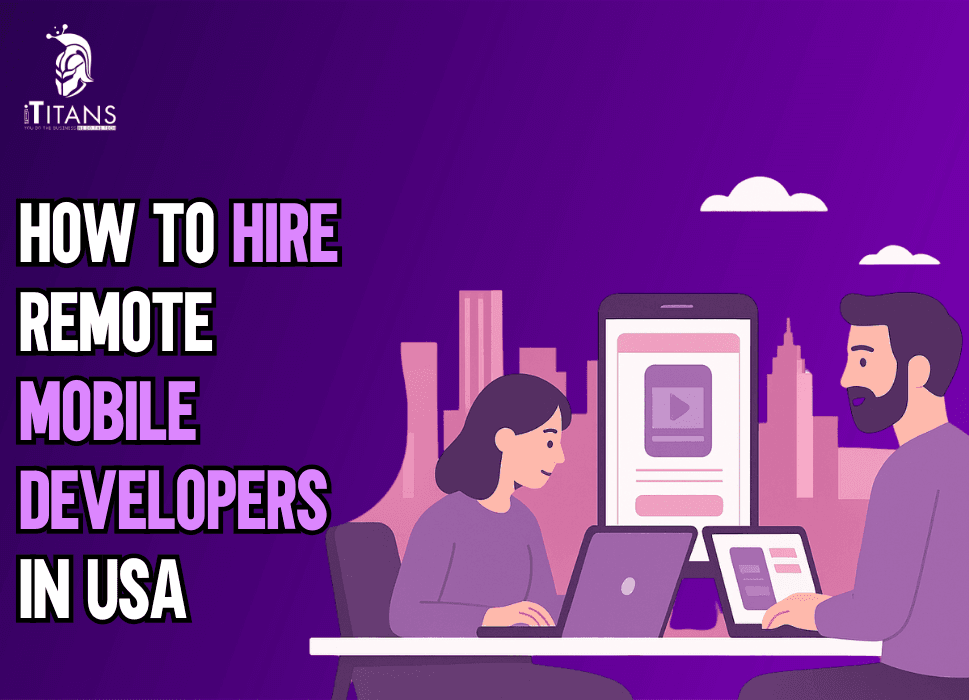
Building a mobile app isn’t just about writing code; it’s about finding the right people who can turn your business idea into a fully functional product. Many companies across the United States are now choosing to hire remote mobile developers in USA instead of limiting themselves to local talent pools.
Why? Because the demand for skilled developers has grown much faster than the available supply. This gap pushes businesses to look beyond their city and even across state lines to bring in professionals who can get the job done.
If you’re a startup founder, a business owner, or even part of an enterprise team, chances are you’ve already faced the question: Should I hire mobile app developers remotely or build an in-house team? The answer isn’t simple. It depends on your budget, deadlines, project scope, and the level of flexibility you need.
By the end of this post, you’ll have a clear roadmap to confidently hire and manage your remote mobile app development team in the US.

Why Businesses in the USA Are Moving Towards Remote Hiring
A decade ago, hiring remote teams was considered risky. Today, it has become mainstream. Companies from Silicon Valley startups to New York-based enterprises are actively hiring remote professionals because it solves three major challenges:
- Access to a larger talent pool: When you’re only looking within your city, the number of developers who can work with you is limited. Expanding to a remote model allows you to find the best mobile app developers across the entire USA.
- Cost flexibility: Salaries in San Francisco or New York are significantly higher compared to developers based in smaller cities. Remote hiring helps balance budgets while still maintaining quality.
- Faster time-to-market: With the right setup, businesses can onboard and start working with remote mobile developers in weeks instead of months.
This shift is not only about saving money. It’s about gaining agility in a competitive market where time and talent directly affect growth.
Where to Find Remote Mobile Developers
The big question most companies ask is: Where do I actually find reliable developers? Let’s break it down by options that are popular in the US:
1. Freelance Platforms
Websites like Upwork, Freelancer, and Fiverr are filled with profiles of developers who offer mobile app services. While this option can work for small projects, it’s not always the best for long-term collaborations. Vetting freelancers can be difficult, and commitment levels vary.
2. Specialized Marketplaces
Platforms such as Toptal or Arc.dev focus on pre-vetted professionals. They match you with experienced remote mobile developers who have passed strict skill tests. While the hourly rates here can be higher, the quality assurance reduces risk.
3. Dedicated Development Agencies
Agencies like iTitans offer teams of developers with different skill sets — from iOS developers to Android developers and even cross-platform specialists in React Native or Flutter. This option is often more reliable for long-term projects since agencies provide accountability, project management, and backup resources.
4. Job Boards & Networking
Sites like Indeed, AngelList, and LinkedIn allow you to post job openings for remote positions. While this approach gives you direct control over hiring, the process can be slower and requires strong HR involvement.
Costs of Hiring Remote Mobile Developers in the USA
One of the most common questions is: How much does it cost to hire a remote mobile developer in the USA?
Mobile app development cost in the USA varies based on skill level, technology, and location. Here’s a quick breakdown of average rates:
- Junior developers (1–2 years experience): $30–$50 per hour
- Mid-level developers (3–5 years experience): $50–$80 per hour
- Senior developers (5+ years experience): $80–$150+ per hour
Specialized roles such as hire iOS developer remote or hire Android developer remote may command higher rates, especially in regions with high demand. For example, a senior remote React Native developer could charge upwards of $120 per hour in competitive states like California or New York.
It’s also important to note that many companies choose monthly contracts instead of hourly rates. A mid-level developer in the US may cost between $8,000 to $12,000 per month. While this may seem high compared to offshore rates, hiring within the USA often provides stronger alignment in terms of time zones, language, and compliance with employment laws.
Native vs Cross-Platform: Which Developer Do You Need?
Before you start looking to hire mobile app developers, you must first decide what kind of app you’re building. This choice determines the type of developer you should bring on board.
- iOS Developers: If your primary users are iPhone owners, you’ll want to hire iOS developer remote who works with Swift or Objective-C.
- Android Developers: If your audience is mainly Android, then it makes sense to hire Android developer remote with strong skills in Kotlin or Java.
- Cross-Platform Developers: If you want a single codebase for both iOS and Android, hiring a remote React Native developer or Flutter developer is the way to go.
Each option has pros and cons:
- Native apps usually perform better and can take full advantage of device features.
- Cross-platform apps save time and money by allowing you to target both iOS and Android at once.
The decision comes down to your project goals, target audience, and budget.
Challenges of Hiring Remote Developers
While the benefits are strong, you should also be aware of the challenges when you hire remote mobile developers in USA.
- Time zone differences: Even within the USA, teams may work across three or four time zones.
- Communication barriers: Misaligned expectations can cause delays. Clear documentation and regular check-ins are essential.
- Hiring quality: Without a proper vetting process, you risk hiring underqualified developers who may slow down your project.
- Legal and compliance issues: Hiring as a contractor vs full-time employee changes your responsibilities regarding tax and benefits.
The good news is that all these challenges can be managed with the right processes, contracts, and tools. We’ll go deeper into this in later sections.
How to Create a Clear Hiring Framework
Before you even post a job ad or approach an agency, prepare a framework that answers:
- What type of app are we building? (iOS, Android, or cross-platform)
- What is our budget and preferred payment model? (hourly, monthly, or fixed project)
- What experience level do we need? (junior, mid, senior)
- How will we interview and evaluate candidates?
- Who will manage the developer once hired?
Having these answers ready makes it much easier to evaluate candidates and reduces the risk of poor hiring decisions.
Screening and Interviewing Remote Mobile Developers
Finding developers is one thing; making sure they are the right fit is another. Many companies make the mistake of hiring based only on a résumé or portfolio. When you hire remote mobile developers, screening becomes even more important because you can’t rely on in-person meetings to assess skills and professionalism.
Step 1: Resume and Portfolio Review
Start by looking for evidence of real-world apps. Ask candidates to provide links to the App Store or Google Play Store. A strong portfolio should show apps that are live, functional, and used by real users. Pay attention to the number of downloads, ratings, and reviews — these say a lot about a developer’s quality of work.
Step 2: Technical Skills Assessment
If you’re hiring for a specific stack, test directly in that stack. For example:
- Hire iOS developer remote: Test Swift and Objective-C knowledge.
- Hire Android developer remote: Assess skills in Kotlin and Java.
- Hire React Native developer remote: Check proficiency with JavaScript, TypeScript, and cross-platform integration.
Practical coding tests or small assignments (2–4 hours maximum) work better than long, unpaid projects. Keep it short but relevant to your real project needs.
Step 3: Behavioral & Soft Skills Interview
Working remotely requires strong communication. Ask situational questions:
- How do you handle a bug that delays a release?
- What tools do you use to manage tasks and updates?
- How do you handle working across time zones?
The goal here isn’t just to test skills but to see if the developer will be reliable in a remote setup.
Step 4: References and Background Check
Always request references from previous clients or employers. Speak directly with them about the developer’s reliability, communication, and ability to deliver on deadlines. This final step weeds out candidates who might look great on paper but don’t perform in practice.
What Questions Should You Ask Developers?
Here are some proven questions to ask when you’re about to hire remote mobile developers in USA:
- Can you walk me through a mobile app you’ve built from scratch?
- What was the most challenging problem you faced, and how did you solve it?
- Which mobile frameworks do you prefer and why?
- How do you handle app updates and version control in a remote setup?
- What tools do you use for communication and project management?
- How do you ensure code quality when working without direct supervision?
- Are you comfortable with daily standups and weekly sprint reviews?
These questions don’t just test technical knowledge; they give you insights into their work style and compatibility with your team.
Contracts and Legal Considerations
When you hire mobile app developers remotely, contracts become your safeguard. They protect your business, your intellectual property, and your relationship with the developer.
Key Elements to Include in Contracts
- Scope of Work: Clearly define what the developer will deliver (e.g., build an iOS app with payment integration).
- Payment Terms: Specify whether payments are hourly, weekly, or per milestone.
- Intellectual Property Rights: Ensure that all code and assets created belong to your company once payment is made.
- Confidentiality Agreement (NDA): Prevents developers from sharing sensitive business information.
- Termination Clause: Defines the notice period and reasons for contract termination.
For businesses in the USA, you must also decide whether you are hiring as a contractor or as a full-time employee. This decision affects payroll taxes, benefits, and compliance with labor laws.
Employer of Record (EOR) vs Contractor
One challenge businesses face when they hire remote mobile developers in USA is compliance. If the developer is in another state, you may have to register to handle payroll and taxes there.
This is where an Employer of Record (EOR) comes in. An EOR acts as the legal employer for your developer, handling payroll, benefits, and compliance, while you manage their day-to-day work.
Alternatively, if you work with the developer as a contractor, you simply pay them and file a 1099 form at the end of the year. Contractors usually mean less administrative work but also less control.

Payment Models for Remote Developers
Another decision is how to pay your developers. The three most common models are:
- Hourly contracts: Pay for the exact hours worked. Great for flexible projects but can lead to budget surprises.
- Fixed-price contracts: Pay a set fee for a defined deliverable. Works best when the project scope is very clear.
- Monthly retainer: Pay a flat monthly fee to keep the developer dedicated to your project. Ideal for ongoing work like app updates and scaling.
For example, many startups prefer a retainer model when they hire dedicated mobile developers USA so they can ensure steady support after launch.
Onboarding Remote Mobile Developers
Hiring doesn’t end when the contract is signed. To get the most out of your new team member, you need to onboard them effectively. A poor onboarding experience can lead to confusion, delays, and even early resignations.
Checklist for Onboarding
- Provide access to tools immediately: Set them up on Slack, Jira, GitHub, or whatever tools your team uses.
- Share documentation: API docs, coding standards, design guidelines, and product roadmaps.
- Define communication routines: Daily check-ins, weekly sprint meetings, and preferred response times.
- Set up a buddy system: Pair new developers with an existing team member for the first month.
- Outline KPIs: Define what success looks like for the first 30, 60, and 90 days.
Managing Remote Developers Effectively
Hiring the best people won’t mean much if you don’t manage them well. The key to managing remote mobile developers is building structure without micromanaging.
Tools for Remote Collaboration
- Communication: Slack, Microsoft Teams, Zoom
- Project Management: Jira, Trello, Asana
- Code Management: GitHub, GitLab, Bitbucket
- Testing & CI/CD: Jenkins, CircleCI, Firebase Test Lab
Best Practices for Remote Management
- Clear goals: Developers should know exactly what to work on each week.
- Regular updates: Short daily standups keep everyone aligned.
- Transparency: Track progress through task boards, not constant pings.
- Performance reviews: Monthly or quarterly check-ins to review progress, challenges, and goals.
- Recognition: Acknowledge good work publicly in team channels to boost morale.
Common Mistakes to Avoid When Hiring
Even experienced companies fall into traps when trying to hire remote mobile developers in USA. Avoid these pitfalls:
- Hiring too quickly: Rushing the process often leads to the wrong hire.
- Ignoring cultural fit: Skills matter, but so does work ethic and communication style.
- Skipping test projects: Without testing, you’re relying only on resumes.
- Poor onboarding: Not giving enough support in the first 30 days leads to high turnover.
- Micromanagement: Remote developers thrive with trust and structure, not constant monitoring.
Common Mistakes Businesses Make When Hiring Remote Mobile Developers in USA
Even though hiring remote mobile developers in USA opens the door to incredible opportunities, many companies fall into traps that cost them time and money. Avoiding these mistakes can save you from frustration and missed deadlines.
1. Focusing Only on Cost
Many startups and businesses chase the lowest hourly rate without considering the developer’s experience or portfolio. Cheap doesn’t always mean efficient. A junior developer might need double the time of an experienced one, making the final cost higher than expected.
2. Ignoring Time Zone Overlaps
Remote doesn’t mean disconnected. If you’re based in the USA and hire someone working in an opposite time zone with no overlap, communication becomes a nightmare. Always ensure at least a few working hours overlap daily for smooth collaboration.
3. Skipping a Trial Project
Hiring based only on resumes and interviews is risky. A small trial task reveals far more about coding style, communication, and professionalism. Many companies skip this and regret it later.
4. Not Having Clear Documentation
If you fail to provide clear requirements, even the most skilled remote app developers in USA won’t deliver what you expect. Misaligned expectations lead to delays and rework.
5. Overlooking Cultural Fit
Technical skills are essential, but collaboration suffers if developers don’t align with your company’s communication style or work ethic. Remote teams need cultural compatibility to thrive.
Cost Breakdown of Hiring Remote Mobile Developers in USA
The cost of hiring mobile app developers in USA varies depending on several factors:
1. Developer Type and Skill Level
- Junior Developer (0–2 years): $25–$50/hour
- Mid-Level Developer (2–5 years): $50–$100/hour
- Senior Developer (5+ years): $100–$200/hour
Specialized skills like AI integration, fintech app security, or AR/VR can raise the rates even further.
2. Engagement Model
- Hourly Basis: Flexible but unpredictable in terms of total cost.
- Dedicated Developer: Fixed monthly fee for full-time focus on your project.
- Project-Based Contract: Predefined cost based on scope, usually higher upfront but predictable.
3. Platform Complexity
- Simple apps (basic UI + limited features): $10,000–$25,000
- Mid-level apps (APIs, payments, dashboards): $30,000–$70,000
- Complex enterprise apps (real-time sync, advanced security, integrations): $80,000+
When outsourcing, many businesses compare remote app development USA costs to offshore pricing. While offshore may seem cheaper, hidden costs (time zone misalignments, rework, poor quality) often make local or nearshore developers a smarter investment.
How to Onboard Remote Mobile Developers Successfully
Hiring is only half the battle. Onboarding sets the tone for long-term success. Here’s how to ensure smooth integration of your remote mobile app developers in USA.
1. Provide Access and Tools on Day One
Set up accounts for project management tools, repositories, and communication platforms in advance. Avoid delays where developers spend the first week waiting for access.
2. Clarify Expectations
Explain your coding standards, communication frequency, and delivery milestones. Setting expectations early reduces miscommunication.
3. Use Collaboration Tools Effectively
Tools like Slack, Jira, Trello, or Asana keep remote teams aligned. For version control, GitHub or GitLab ensures code quality and transparency.
4. Schedule Regular Check-ins
Weekly or bi-weekly video calls maintain alignment and prevent bottlenecks. Short daily standups (even 10 minutes) keep progress visible.
5. Encourage Open Communication
Remote developers should feel comfortable raising questions and concerns. Companies that discourage questions often face last-minute surprises.
Future Trends in Remote Mobile Development Hiring
The demand for remote app developers in USA continues to grow, but the hiring landscape is evolving. Here’s what to expect in the coming years:
1. AI in Hiring
Recruiters will increasingly use AI tools to assess coding skills, detect fake resumes, and match developers with projects more accurately.
2. Demand for Multi-Skilled Developers
Companies now prefer developers who can work across platforms (Android, iOS, cross-platform frameworks) rather than single-skill specialists.
3. Remote-First Mindset
Post-2025, businesses won’t treat remote hiring as an alternative — it will become the default. Companies offering flexible work models will attract better talent.
4. Increased Focus on Cybersecurity
As remote teams handle sensitive data, businesses will prioritize developers with strong security expertise in mobile development.
5. Expansion of Nearshore Hiring
While USA developers remain in high demand, nearshore regions (Latin America, Canada) are gaining popularity for cost-effective yet skilled talent with minimal time zone issues.

Step-by-Step Checklist for Hiring Remote Mobile Developers in USA
To simplify everything, here’s a quick checklist you can use:
- Define project scope clearly (features, platforms, timeline).
- Choose the right hiring platform (freelance site, agency, or direct hire).
- Shortlist candidates based on experience and portfolio.
- Check technical expertise with coding tests or trial projects.
- Assess communication skills during interviews.
- Discuss budget and engagement model upfront.
- Confirm availability and time zone overlap.
- Negotiate terms and sign an agreement.
- Set up tools and grant access before the first day.
- Begin onboarding with clear expectations and regular check-ins.
Following this checklist increases your chances of hiring a developer who not only codes well but also fits seamlessly into your workflow.
Build Your Remote Mobile Development Team Today
Hiring the right remote mobile developers in USA can make or break your app’s success. At ITitans, we connect businesses with expert developers who specialize in building high-performing, scalable apps.
Get in touch with ITitans today and start building your mobile development team with confidence.
Frequently Asked Questions (FAQs)
Q1: How much does it cost to hire remote mobile developers in USA?
Hiring costs range from $25/hour for junior developers to $200/hour for senior experts, depending on experience and project complexity.
Q2: Where can I find reliable remote mobile app developers in USA?
You can hire through freelance platforms, agencies, or IT solution providers like ITitans that specialize in mobile app development.
Q3: What skills should I look for in a remote mobile developer?
Look for expertise in Android/iOS, cross-platform frameworks, UI/UX, API integration, database management, and strong communication.
Q4: How do I ensure productivity when working with remote app developers in USA?
Use collaboration tools like Slack, Jira, or Trello, set clear milestones, and schedule regular check-ins to track progress.
Q5: Should I hire a freelancer or a dedicated developer for my mobile app project?
Freelancers are suitable for small tasks, but dedicated remote app developers in USA are better for long-term projects requiring continuous support.
Q6: What is the best way to onboard remote developers quickly?
Prepare tools and accounts in advance, define expectations clearly, and start with a trial project to ensure alignment.
Q7: Are remote mobile developers as reliable as in-house teams?
Yes, when hired correctly with clear agreements and good communication, remote developers deliver results as reliable as in-house teams.