
25 Inspiring Web App Ideas to Consider in 2025
The world of web development is evolving at groundbreaking speed, and 2025 promises to be no exception. With the rise of AI, big data, remote work, and global interconnectivity, the demand for intuitive, scalable, and impactful web applications is exploding.
So, what makes a web app idea inspiring? It’s not just about being trendy; it’s about solving real problems, creating new opportunities, and improving lives. This list of 25 inspiring web app ideas isn’t your average compilation. We’re diving deep into market potential, user needs, and tech trends, and presenting you with not just ideas but conversations. Consider this your innovation playbook for the coming year.

1. AI-Powered Personal Finance Manager
Picture a web app that does more than the budget you’re spending. Imagine it uses AI to predict your future financial behaviors, detect risks, suggest investment opportunities, and even nudge you before overspending. According to Statista, the global digital finance market is projected to hit $28.5 billion by 2026—this sector is ripe for disruption. Integrating OpenAI’s GPT or similar LLMs could make financial coaching deeply personalized and human-like.

2. Remote Work Culture Analyzer
With 59% of companies now embracing hybrid or fully remote models, leaders struggle to understand employee engagement. A web app that uses sentiment analysis from Slack, Teams, or emails to gauge morale and team dynamics could be revolutionary. Insights could help HR improve workplace culture, boost retention, and preempt burnout.

3. Decentralized Voting Platform
In the age of blockchain and digital trust, a secure voting platform for clubs, organizations, or even municipal elections is more relevant than ever. With the rise of DAOs (Decentralized Autonomous Organizations), this idea has both civic and crypto-native applications. Security, transparency, and immutability are the pillars here.

4. Mental Health Companion
Mental health is no longer taboo—and web apps are stepping up. What if you had a private AI-based journaling app that offered CBT (Cognitive Behavioral Therapy) strategies in real-time? With 1 in 5 adults in the U.S. experiencing mental illness annually, the market is immense and underserved.

5. Sustainable Living Tracker
Eco-consciousness is more than a buzzword. Consumers want to measure their carbon footprint, track waste reduction, and discover greener lifestyle swaps. A web app could pull in purchase data and suggest alternatives like swapping fast fashion for sustainable brands. Bonus points if you integrate APIs from carbon offset companies.

6. Niche Freelance Marketplace
Upwork and Fiverr are great but in general. What if there were web apps built for specific industries like culinary artists, AI prompt engineers, or 3D animators? These apps could provide tailored tools, contract templates, and niche-specific discovery features. The gig economy is expected to reach $455 billion by 2025, so there’s room for verticalized platforms.

7. AI Content Repurposer
Creating content is time-consuming. A web app that converts blog posts into social media snippets, email newsletters, or YouTube scripts automatically is gold for marketers. Add multilingual repurposing and integrate it with platforms like Notion, WordPress, or HubSpot, and you’ve got a content game-changer.

8. Crowdsourced Legal Help Platform
Legal help is often expensive and intimidating. A web platform where users submit their legal questions, and lawyers or law students provide basic guidance (possibly gamified or token-incentivized) could democratize justice. Think Quora meets RocketLawyer, but built on trust.

9. AI-Based Web Accessibility Tester
More than 97% of websites have accessibility issues. A web app that audits and suggests fixes—while explaining them in plain English can save companies from lawsuits and boost inclusion. Bonus if it simulates experiences for visually impaired users to demonstrate impact.

10. Hyperlocal News Aggregator
Global news is covered, but what about your neighborhood? A web app that scrapes, curates, and delivers hyperlocal news could be a gem, down to the block level. This could include updates from school boards, local council meetings, or crime alerts. Partner with local bloggers or journalists to keep the loop alive.

11. Learning Style Assessment Platform
We all learn differently, but education rarely adapts to that. A web platform that assesses your learning style (visual, kinesthetic, auditory, etc.) and suggests courses, learning apps, or even tutors accordingly could revolutionize personal development. Especially for neurodivergent learners, this app could be life-changing.

12. Interactive Habit Formation App
Habit apps exist, sure. But what if your web app used behavioral psychology and gamification to rewire habits complete with accountability partners, real-time tracking, and AI nudges? Think Duolingo for every habit, from flossing to mindfulness.

13. Real Estate Investment Simulator
New investors are scared of real estate but what if they could simulate investments in different markets based on real-time data? A web platform offering interactive simulations, learning modules, and property comparisons could demystify the space.

14. Subscription Manager + ROI Tracker
We’re drowning in subscriptions—from streaming to software to meal kits. A web app that not only tracks them but shows ROI (e.g., “You watched 2 hours of Netflix this month for $15—was it worth it?”) could nudge users toward smarter spending.

15. Online Classroom for Retired Professionals
Retired individuals hold decades of knowledge. A web app that lets them create simple courses, lectures, or mentorship sessions could add purpose to their lives and bring wisdom to the next generation. Monetize it with pay-per-class or donation models.

16. Live Code Collaboration Platform
Yes, GitHub and VS Code Live Share exist. But what about a simple, browser-based platform focused on teaching code with real-time audio, syntax guidance, and student-teacher roles? Especially for bootcamps and tutoring.

17. Donation Optimizer
Charity is good but confusing. A web app that helps users decide where to donate based on impact, transparency, and alignment with values would be timely. Integrate charity ratings and offer recurring giving tools.

18. Resume + Portfolio Enhancer with AI
Too many job seekers rely on outdated resumes. This web app could use AI to revamp resumes based on job listings, optimize LinkedIn profiles, and suggest portfolio enhancements. Tie it into real-world application trackers.

19. AI-Powered Meal Planner + Grocery List Generator
A platform that integrates dietary needs, local store prices, pantry inventory, and AI-generated recipes? Sounds like a dream. Health and finance rolled into one elegant dashboard.

20. Virtual Interior Designer
Upload your room photos and let AI reimagine the space based on style preferences and budget. Then offer links to buy furniture or book consultations. The AR angle (for previewing layouts) could be killer.

21. Emotional Journal with Sentiment Graphs
Journaling is therapeutic, but hard to maintain. A web app that uses mood tags, AI sentiment analysis, and color-coded graphs to visualize emotional trends would blend wellness with self-awareness.

22. Elderly Tech Literacy Platform
Technology moves fast, but not everyone does. A simple, friendly web app teaching seniors to use Zoom, set up email, or recognize scams—with visuals, voice narration, and quizzes—could change lives.
23. AI Writing Coach for Non-Native Speakers
English learners often struggle with tone, flow, and idioms. A web app that gives real-time suggestions, grammar context, and alternative phrasing can help them write like natives without feeling lost or judged.

24. Ethical Product Finder
Want to find sweatshop-free shoes or cruelty-free skincare? This app would scan product barcodes or site URLs to show ethical ratings, sustainability metrics, and better alternatives.

25. Crowdsourced Travel Risk Map
An interactive, real-time map where travelers report local safety issues, scams, or cultural tips. Think “Waze” for global backpackers. Data would be community-sourced, rated for accuracy, and visualized for clarity.
20 Essential Elements of a Winning Website in 2025
1. Clear and Compelling Value Proposition
A winning website starts with a crystal-clear value proposition that tells visitors exactly what the business or app does and why it matters. This message should appear prominently on the homepage—usually in the hero section—within a few seconds of landing. If users can’t figure out the core benefit of your service immediately, they’re likely to leave. A concise, benefit-driven headline can make a strong first impression.
2. User-Friendly Navigation
Intuitive navigation is the backbone of good user experience. Visitors should be able to find what they need within a few clicks, whether it’s a pricing page, contact form, or blog article. A top menu bar with clearly labeled categories, a search feature, and a mobile-friendly hamburger menu are essential. According to a GoodFirms study, 94% of users say easy navigation is the most important website feature.
3. Fast Loading Speed
Speed is non-negotiable in 2025. Users expect websites to load in under 3 seconds, and anything slower significantly increases bounce rates. Google also considers site speed as a ranking factor. Use optimized images, compressed files, and reliable hosting to enhance performance. Tools like Google PageSpeed Insights and GTmetrix can help you monitor and improve your load times.
4. Mobile Responsiveness
With over 55% of global website traffic coming from mobile devices, responsive design is essential. A winning website automatically adjusts its layout based on screen size, offering seamless browsing on smartphones, tablets, and desktops. Mobile responsiveness also plays a vital role in SEO and user retention, ensuring your site is accessible and engaging on all devices.
5. Strong Visual Design
Modern websites must look appealing to captivate visitors. High-quality visuals, consistent branding, color schemes, and typography create a professional image that builds trust. White space and visual hierarchy help guide users’ attention, making the site easier to scan. A visually stunning layout leaves a lasting impression and encourages visitors to explore further.
6. SEO Optimization
Search engine optimization (SEO) ensures your website ranks well on Google, helping users find your web app organically. On-page elements like meta tags, alt text, keyword-optimized headings, and quality content are vital. Technical SEO—such as clean URLs, XML sitemaps, and fast-loading pages—also improves visibility. A well-optimized site supports long-term traffic growth.
7. Engaging and Valuable Content
Content is more than just text—it’s your voice, message, and value delivered to users. Blogs, FAQs, video tutorials, case studies, and feature pages should educate, solve problems, or inspire your audience. High-quality, regularly updated content boosts SEO and keeps users returning for more. It’s one of the most effective ways to showcase your expertise and build authority in your niche.
8. Clear Calls-to-Action (CTAs)
A winning website guides users toward taking action. Whether it’s signing up for a demo, downloading an app, or subscribing to a newsletter, CTAs should be clear, concise, and strategically placed. Buttons like “Start Free Trial,” “Book a Demo,” or “Learn More” should stand out visually. Strong CTAs turn passive visitors into active users or customers.
9. Trust Signals and Social Proof
People are more likely to engage with a website they trust. Add testimonials, reviews, case studies, and client logos to demonstrate credibility. Awards, security badges, and affiliations with reputable organizations also enhance trust. Nielsen studies show that 92% of people trust peer recommendations—social proof can play a critical role in conversion rates.
10. Accessibility Features
An inclusive website design ensures people with disabilities can easily navigate and understand your content. Use proper contrast ratios, alt text for images, keyboard navigation, and screen-reader compatibility. Accessibility not only broadens your audience but also aligns your site with global regulations like WCAG 2.1 and the ADA. Inclusivity is now a core element of digital success.
11. Functional Contact and Support Options
Users should never struggle to find help. Whether it’s a simple contact form, live chat, or a dedicated support center, having multiple ways for users to reach you adds credibility and support. Chatbots and FAQ sections are now common, and real-time assistance can enhance user satisfaction and prevent churn.
12. Secure and Encrypted (HTTPS)
Security builds trust. A secure website with HTTPS ensures all data transmitted between the user and server is encrypted. This is especially important for apps handling sensitive data or online transactions. Google also favors HTTPS-enabled sites in search rankings. Make sure your SSL certificate is always valid and visible.
13. Scalable and Future-Ready Architecture
A winning website is built with scalability in mind. As your web app grows, your site should easily handle more content, users, and functionalities without breaking. Use modular design, robust backend infrastructure, and scalable hosting solutions. Future-ready design ensures your site stays relevant in the fast-evolving digital landscape.
14. Easy-to-Use CMS or Admin Panel
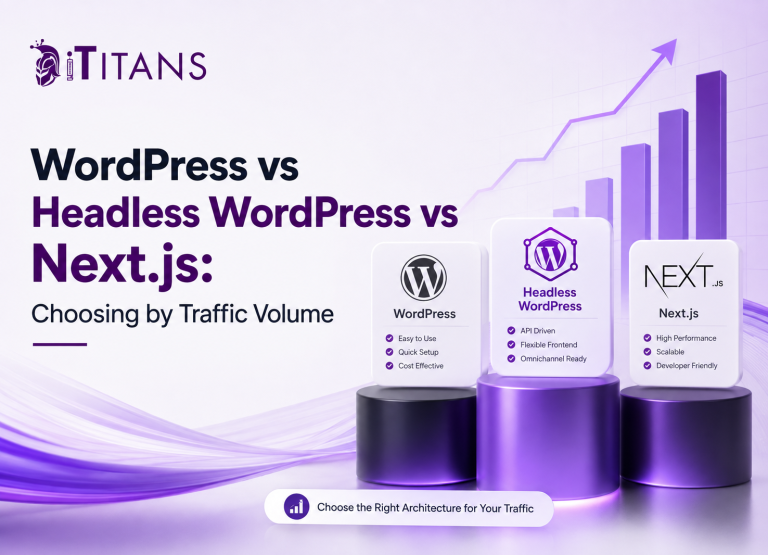
Behind every great website is a great content management system (CMS). Tools like WordPress, Webflow, or headless CMS platforms enable you to update content without needing a developer. A user-friendly backend streamlines workflows and empowers non-tech teams to contribute. Efficient content management can significantly speed up marketing efforts.
15. Analytics and Performance Tracking
You can’t improve what you can’t measure. Integrate tools like Google Analytics, Hotjar, or Mixpanel to understand user behavior, track KPIs, and refine your strategy. Knowing how visitors interact with your website helps you optimize pages for better results. A data-driven approach keeps your web app competitive and relevant.
16. Integration with Third-Party Tools
Modern websites benefit from seamless integration with tools like CRMs, email marketing platforms, payment gateways, and automation software. This improves user experience and operational efficiency. For example, integrating Stripe for payments or Mailchimp for newsletters allows you to offer more value without building everything from scratch.
17. Social Media Integration
Connecting your website to social platforms allows users to share content, follow updates, or log in using social credentials. Embedded social feeds, sharing buttons, or auto-posting blogs increase your digital presence. In 2025, social signals continue to impact brand visibility and traffic, making integration essential for engagement.
18. Minimal Pop-Ups and Ads
Pop-ups can drive conversions when used sparingly, but they can also be annoying. A winning website avoids excessive pop-ups and irrelevant ads that disrupt the user experience. Smart use of exit-intent popups, time-delayed offers, and newsletter prompts can boost engagement without driving users away.
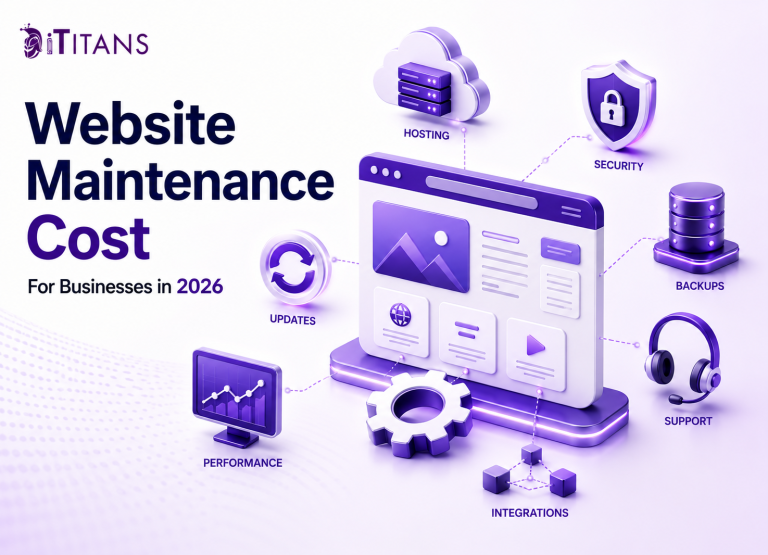
19. Regular Maintenance and Updates
Websites are never “set it and forget it” assets. Regular updates to plugins, themes, content, and backend software are crucial for security, speed, and functionality. Scheduled audits help identify bugs or broken links. A consistently maintained website performs better and protects your brand reputation.
20. Localized and Multilingual Support
For global or regional apps, localization is vital. Offering content in multiple languages and customizing offers based on region increases accessibility and conversion. Tools like Weglot or WPML can help you implement multilingual functionality easily. It demonstrates your commitment to serving diverse audiences.
Web App Potential in 2025
Every one of these ideas is a response to a cultural shift, market gap, or emerging tech trend. Whether you’re a solo developer, a startup founder, or a product visionary, 2025 offers a blank canvas for bold innovation. Start by choosing an idea that resonates deeply with a problem you care about.
Then validate it with real users. And remember—today’s billion-dollar apps began as “just an idea.” Do you have an idea that can solve a problem? Contact iTitans and let us help you turn the idea into a digital reality with the influence of modern-day technology and frameworks.
FAQs
What makes 2025 a great year to build a web app?
The digital landscape in 2025 is booming, driven by increased cloud adoption, AI integration, and remote-first business models. According to Statista, the global SaaS market alone is projected to exceed $300 billion this year. The appetite for automation, productivity, and real-time collaboration tools has never been stronger.
How do I validate a web app idea before development?
Start by identifying your target audience’s pain points, then build a minimum viable product (MVP). Use platforms like Google Trends, Reddit, and Product Hunt to gather interest. According to CB Insights, 35% of startups fail due to lack of market need—validation saves time and resources.
What are the best low-code or no-code tools for building web apps in 2025?
Webflow, Bubble, and OutSystems are leading the pack. These platforms now support AI integration, dynamic APIs, and responsive design with minimal coding. For instance, Bubble saw a 67% user growth rate in 2024 alone, proving its rising dominance in rapid app development.
Are AI-based web app ideas still relevant in 2025?
Absolutely! AI is hotter than ever, powering personalization, automation, and predictive analytics. From AI writing assistants to smart inventory trackers, these tools are evolving fast. OpenAI’s GPT-5 API has enabled even non-tech founders to launch intelligent, human-like applications with ease.
What are some underrated niches for web apps this year?
Hyper-niche B2B solutions like “wellness scheduling for remote teams” or “automated grant management for nonprofits” are gaining traction. These markets may be small but have high-paying clients and low competition. Micro-SaaS is one of the most promising business models in 2025.
How important is user experience (UX) for web apps in 2025?
UX is king. With 88% of users refusing to return to a site after a poor experience (source: Toptal), usability directly impacts retention. Mobile responsiveness, fast load times, and clean UI are non-negotiables. Tools like Hotjar and Figma help you optimize UX quickly.
What monetization models work best for new web apps?
Freemium-to-premium remains popular, but usage-based pricing and lifetime deals via platforms like AppSumo are trending. You can also monetize with affiliate links, ads, or white-labeled B2B solutions. Flexibility is key—tailor your model to your audience’s behavior.
How do I ensure my web app stands out in a saturated market?
Niche down, specialize, and focus on a killer user onboarding process. Use storytelling in your branding and gather testimonials early. According to HubSpot, users are 2.4x more likely to trust apps with strong social proof and clear value propositions.
Can a solo developer succeed with a web app idea in 2025?
Yes, solo developers are thriving thanks to tools like ChatGPT, GitHub Copilot, and AI-powered testing platforms. Many successful apps today began as side projects. Focus on solving one real problem well—simplicity can be your biggest asset.
Which industries are ripe for web app disruption in 2025?
Healthcare, education, remote work tools, legal tech, and creator economy platforms are booming. The rise of telehealth and e-learning has opened new gaps in security, scheduling, and content delivery—perfect for web apps tailored to each niche’s workflow.
Related Posts