
Future of Mobile Payments | Trends and Technologies
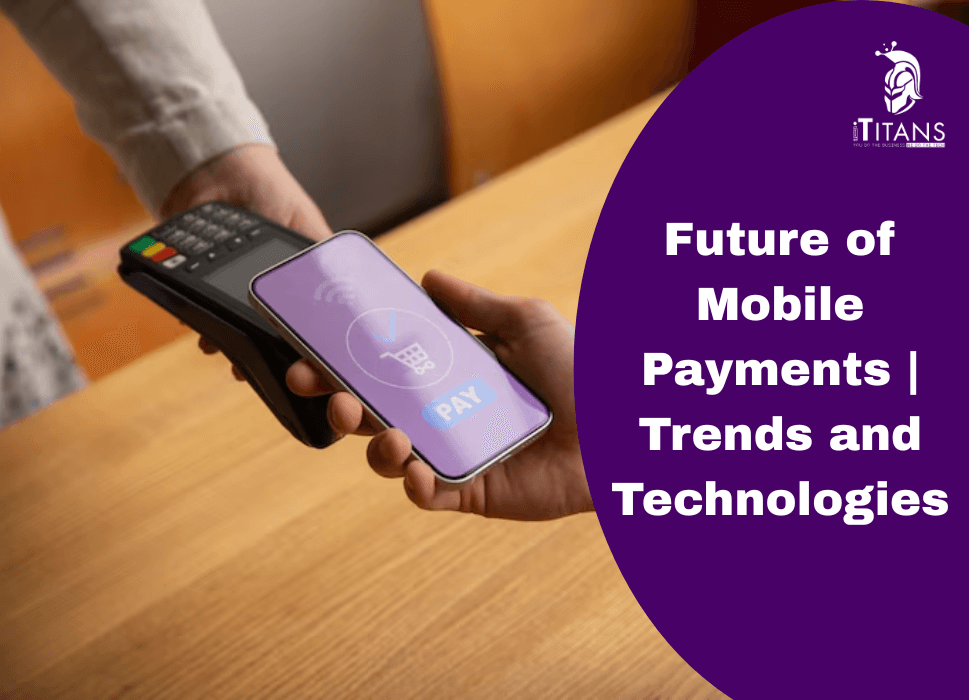
Once upon a time, paying for coffee meant digging through your wallet for loose change. Today, a quick tap of your phone gets the job done in seconds. Mobile payments have become the norm, not just in retail but across healthcare, transportation, hospitality, and even street food carts. The convenience is unbeatable. But this is only the beginning.
As more businesses embrace digital wallets and more consumers ditch cash entirely, mobile payment technology is entering a new era. We’re talking about facial recognition, invisible payments, wearable tech, and blockchain-backed transactions that settle instantly. The speed, security, and simplicity of mobile payments are about to hit a whole new level.
At iTitans, we’ve been building solutions that follow not just where payments are today, but where they’re going tomorrow. If you’re a business planning to integrate mobile payments or a curious entrepreneur exploring trends, this deep dive will show you what’s next and what really matters.

How Mobile Payments Evolved And Why It Matters
Mobile payments didn’t just show up out of nowhere. They evolved as a response to one thing: user demand. People wanted faster, easier, safer ways to pay without pulling out cash or typing card numbers. Let’s walk through the evolution briefly.
1. From Swipe to Tap
The first major leap happened with NFC (near-field communication) technology. Phones like the iPhone 6 and Samsung Galaxy S5 introduced secure NFC chips that made contactless payments possible. Suddenly, Apple Pay and Google Pay changed how we thought about checkout lines.
2. The Rise of Wallet Apps
After NFC came the rise of digital wallets. Apple Pay, Google Pay, Samsung Pay, PayPal, Venmo, and regional apps like M-Pesa (Africa) and Paytm (India) became the norm. These apps made peer-to-peer payments, online shopping, and in-store purchases feel seamless.
3. QR Code Boom
Asia, especially China, leapfrogged card-based payments almost entirely with QR codes. Apps like Alipay and WeChat Pay dominate everything from vending machines to taxis, and the rest of the world is catching on.
4. COVID-19’s Acceleration
Then came the pandemic. People wanted contactless everything, not just for convenience, but safety. Mobile payments became a necessity rather than a luxury.
Where Are Mobile Payments Headed? Key Trends to Watch
We’re standing at the edge of a much bigger transformation. Let’s explore the most exciting mobile payment trends that are already reshaping how businesses collect money, and how users spend it.
1. Biometric Payments Are Going Mainstream
Imagine walking into a coffee shop and paying with just your face. No phone. No card. No PIN. Just a glance at a sensor, and your coffee is paid for. It might sound futuristic, but it’s already being tested.
Biometric authentication (like fingerprint or facial recognition) is becoming the default security method for mobile payments. But now, it’s also becoming the payment method itself. Amazon One, for example, lets you pay with your palm in certain stores.
What This Means for Businesses: You’ll need payment systems that support biometric checkouts. These aren’t just faster, they’re more secure and harder to fake.
2. AI-Powered Payment Recommendations
AI is starting to influence mobile payment experiences in subtle but powerful ways. Think about apps that suggest the best card to use based on reward points, or warn you about suspicious activity before a transaction completes.
Apps are also becoming smarter about budgeting and expense tracking, helping users manage their money in real-time as they spend it.
For Businesses: Smarter apps means more engaged users. If your payment app or mobile platform integrates AI features, expect higher user retention and lower fraud risks.
3. Voice Payments
With the rise of voice assistants like Siri, Alexa, and Google Assistant, voice-activated payments are just a logical next step. Some banks and apps already support simple commands like:
- “Send $25 to Sam via PayPal.”
- “Pay my electricity bill.”
In the near future, voice commands will handle more complex transactions, all while maintaining security and user verification.
What to Know: Voice commerce is growing, especially in eCommerce. As it matures, expect voice to become a legitimate way to complete mobile payments.
4. Invisible Payments: The Rise of No-Checkout Experiences
You walk into a store, pick up what you need, and walk out, no lines, no terminals, no scanning. Sounds magical? Amazon Go already does this.
This “invisible payment” model works by linking your app to sensors, cameras, and smart shelves that track your actions and charge your account automatically.
The Big Picture: Invisible payments are becoming the next frontier of convenience. Businesses who master this early will win big with urban users who prioritize speed and ease.
5. Blockchain and Crypto-Based Payments
While cryptocurrencies have been volatile, the underlying payment technology, blockchain, is gaining real traction. Blockchain allows fast, transparent, and low-fee transactions, even across borders.
Stablecoins (cryptocurrencies tied to fiat currencies like USD or AED) are likely to become more mainstream in mobile payments, especially for international transfers and digital wallets.
Why It Matters: Decentralized apps (dApps) are starting to offer payment systems without banks in the middle. For some businesses, this means reduced fees and global reach.
6. Wearables Take the Lead
Smartwatches and fitness bands are now becoming wallets on your wrist. Users can tap to pay at stores using Apple Watch, Fitbit Pay, or Samsung Gear.
As these devices become more affordable and stylish, expect more consumers to adopt wearable payments, especially for quick transactions like transit, coffee, or groceries.
7. Real-Time Payments and Settlement
One major downside of traditional payments is delay. It can take 2–5 days for a transaction to clear. But with real-time payment infrastructure like FedNow (US), UPI (India), and RTP systems worldwide, the delay is disappearing.
In mobile apps, real-time payments will improve:
- Freelancer and vendor payouts
- Peer-to-peer transfers
- Refunds and cashbacks
For Users: This means money will move instantly, and that’s a game-changer, especially in eCommerce, services, and gig platforms.

The Role of Banks in the New Payment Landscape
Are banks still relevant in a mobile-first payment world? The short answer is yes, but they’re evolving.
Banks are becoming digital platforms rather than physical spaces. Many now offer APIs for third-party apps to process payments, manage budgets, and analyze spending. Some even launch their own wallets and budgeting tools.
Expect banks to play the role of enablers, offering infrastructure, compliance, and trust, while fintech and mobile-first apps dominate the user experience layer.
Industries Being Transformed by Mobile Payments
Let’s dig into the real-world impact. Mobile payments aren’t just a tech upgrade, they’re a business upgrade. Here’s how different sectors are responding.
1. Retail & eCommerce
This one’s obvious, but it’s also the most advanced. Mobile wallets and payment apps have shortened the checkout process and made impulse buying easier. Features like “Buy Now, Pay Later” (BNPL), one-click checkouts, and saved payment info make mobile shopping frictionless.
Retailers who accept Apple Pay, Google Pay, or even QR code-based payments often see higher conversions, especially among Gen Z and millennial users.
Key Insight: Customers who pay with their phones tend to spend more, likely because it feels less like parting with real cash.
2. Restaurants & Food Delivery
From Starbucks to your local burger joint, mobile payments have become part of the dining experience. Apps now let customers:
- Order ahead
- Pay before pickup
- Split bills with friends
- Earn and redeem loyalty points
Even food trucks now use QR codes and digital wallets instead of clunky POS terminals.
Emerging Trend: “Order & Pay at Table” is replacing waitstaff interactions in fast-casual restaurants. It’s faster, more efficient, and gives guests more control.
3. Transportation & Travel
Apps like Uber, Lyft, Careem, and Bolt made mobile payments the default. You enter your card once, and every ride after that is automatic. No wallet. No change. No awkward tipping.
Airlines and hotel chains are now doing the same. Loyalty apps and mobile checkouts streamline booking, upgrades, and in-flight purchases.
Future Prediction: Facial recognition at airport gates and mobile wallet check-ins means zero paperwork while traveling.
4. Healthcare
Yes, even hospitals and clinics are adopting mobile payment systems. Many now allow patients to:
- Pay medical bills online or via apps
- Set up automatic payment plans
- Use HSA/FSA cards through mobile wallets
Telehealth platforms also rely heavily on mobile payment integration, as do mental health apps offering subscription-based therapy or coaching.
Why This Matters: Mobile payments reduce billing errors and remove delays, which helps patients and providers alike.
5. Education & eLearning
Online learning platforms and universities are now offering students mobile ways to pay tuition, purchase learning material, or renew course access. Apps like Coursera, Udemy, and Skillshare let users subscribe, cancel, and upgrade, all through mobile.
What’s Next: School campuses are exploring mobile-based ID and wallet systems to pay for meals, print services, and events, all linked to a student account.
Small Businesses and Mobile Payments: Big Benefits
While big corporations are leading the way, small and medium-sized businesses (SMBs) are seeing the biggest gains.
Mobile payment systems help small businesses:
- Save on hardware costs (no need for expensive POS systems)
- Increase customer loyalty through digital wallets and point systems
- Speed up checkout lines, especially in crowded locations
- Accept payments remotely, which is perfect for home services, local delivery, and freelancers
Tip: Using tools like Square, Stripe Terminal, or PayPal Zettle, any small business can set up mobile payments in minutes, without hiring a tech team.
Subscriptions, Microtransactions & The New Payment Models
One of the major shifts driven by mobile payments is the rise of flexible payment models.
1. Subscriptions Are Everywhere
From music and meditation to workouts and software, the subscription model is booming. Mobile payments made it easy for users to sign up with one tap and forget about monthly billing.
This model works because:
- It’s convenient
- It smooths out cash flow for businesses
- It builds long-term customer relationships
Important Consideration: Auto-renewals must be transparent. Apps that make cancellations easy tend to keep more trust (and more users) in the long run.
2. Microtransactions and In-App Payments
In-app purchases and microtransactions are a mobile payment revolution in themselves. Whether it’s unlocking a new level in a game or buying filters in a photo app, these tiny payments add up to huge profits.
Common Use Cases:
- Games (coins, boosters, characters)
- Creator platforms (tips, badges, access)
- News sites (pay-per-article access)
In 2023, global in-app purchase revenue exceeded $170 billion, and most of it came from mobile.
3. Pay-Per-Use
This is a rising model in SaaS and digital services. Instead of a flat fee or subscription, users pay for what they use, tracked in real-time.
Think of:
- Cloud storage billed per GB
- Video editing software that charges per export
- Marketing tools billed per lead or campaign
Mobile apps allow real-time tracking and instant payments, making these models viable at scale.

Security and Trust Still Matter
With all this convenience, one thing businesses and users still care about deeply is security. And mobile payments must get it right.
Common Threats to Mobile Payments:
- Phishing attacks through fake payment pages
- Man-in-the-middle attacks on public Wi-Fi
- Stolen phones used for unauthorized purchases
- Fake apps mimicking real payment platforms
How Mobile Payments Stay Safe:
- Tokenization: Instead of sending actual card numbers, a token (random code) is sent during transactions.
- Two-Factor Authentication (2FA): Most mobile payments now require face/fingerprint unlocks.
- Instant Alerts: Apps notify you of every transaction, allowing instant fraud detection.
- Cloud Encryption: Sensitive data is stored in secure cloud environments, not on the phone.
For Businesses:
Make sure your app or POS integrates with PCI-DSS compliant payment gateways. Also, display trust badges and offer strong refund policies. This builds credibility, fast.
Case Studies: Mobile Payments That Made a Difference
To see all this in action, let’s look at how businesses around the world are already using mobile payments in clever ways.
1. Dunkin’
The Dunkin’ app turned mobile payments into a loyalty powerhouse. Customers pre-load funds, pay with a tap, and earn rewards every time. It’s seamless and keeps users coming back for more caffeine.
2. Zomato & Uber Eats
These food delivery giants offer one-tap checkout, promo wallets, and integrations with dozens of payment providers, reducing cart abandonment and improving UX.
3. Lime & Bird (eScooters)
These companies transformed urban transport by offering pay-per-minute rides via mobile. Their apps allow tap-to-pay with real-time billing, proving mobile payments can support even minute-by-minute service models.
4. iTitans Clients
At iTitans, we’ve helped businesses move beyond outdated checkout experiences and embrace mobile-first payment systems. From retail to logistics, our mobile app development team has built secure, fast, and user-friendly payment flows that match modern customer habits.
Whether it’s integrating Apple Pay into an eCommerce app or designing subscription logic for an on-demand platform, we build for today’s needs, and tomorrow’s expectations.
What’s Coming Next in Mobile Payments
Technology doesn’t stand still, and mobile payments are set for another leap forward. Let’s talk about what we’ll likely see between now and 2030.
1. AI-Powered Payment Experiences
Artificial intelligence isn’t just for chatbots and search results. In mobile payments, it’s going to power:
- Real-time fraud detection
- Personalized payment flows
- Smart spending recommendations
- Voice-activated transactions
Imagine this: You say, “Hey app, pay the water bill from my business account,” and it happens in seconds, securely and accurately.
What This Means for Businesses:
You’ll need to think about how payments can become smarter, not just faster.
2. Biometric Payments as Standard
Fingerprint unlocks and face scans are already part of mobile payments, but they’re about to go deeper.
Some banks and fintech apps are now testing:
- Palm recognition payments (just wave your hand)
- Retina scan verification
- Heartbeat-based identity tracking (yes, it’s real)
It’s about removing passwords and PINs while keeping things more secure than ever.
3. Cryptocurrency Integration
No, crypto didn’t go away. In fact, more countries are working on central bank digital currencies (CBDCs). Some regions are testing crypto payments for:
- Cross-border B2B transactions
- Retail payments with stablecoins
- Payroll in blockchain-based tokens
Major wallets are starting to include crypto options alongside regular debit cards. Businesses in tech, finance, and eCommerce are watching this space closely.
Tip:
You don’t need to accept Bitcoin tomorrow. But keeping an eye on stablecoins and regulatory changes is smart.
4. Contactless Everywhere
You’ve tapped your card or phone at a checkout. Soon, that tap might happen:
- At vending machines
- On outdoor ads with QR/NFC tags
- At public events, with entry and purchase access in one tap
- In your car, paying tolls and parking without apps
Future Vision:
Walk into a coffee shop, pick up your drink, and walk out. Payment happens automatically via sensors, no scanning, no tapping, just walking.
5. Voice and Wearable Payments
Smartwatches already let you pay in-store. The next step is voice-driven payments, where your smartwatch, glasses, or even smart ring acts as your wallet.
- “Alexa, pay for my monthly gym membership”
- “Siri, send $25 to Ahmed for the Uber”
Wearables with secure NFC chips are now becoming wallets on your wrist, and businesses must think about how to accept those payments.

How Businesses Can Get Ready
All of this sounds exciting, but what does it actually mean for your business? Let’s break it down into steps.
1. Start with User Behavior
Your customers will tell you what they prefer, by their habits.
- Are they mostly mobile users?
- Are they Gen Z or Millennials?
- Do they complain about checkout delays?
Answering these will help you decide which payment solutions make sense. Mobile-first isn’t a feature anymore. It’s a standard.
2. Offer Multiple Payment Options
No one wants to be locked into one method.
You should offer:
- Card payments
- Mobile wallets (Apple Pay, Google Pay)
- PayPal and Stripe
- BNPL (Buy Now, Pay Later)
- Localized wallets (like Mada, Paytm, or MoMo depending on your region)
Key Rule:
If a user has to leave your site or app to pay, you’ve lost a sale.
3. Invest in a Solid Mobile Experience
Your app or mobile website should load fast, feel secure, and make payment simple. This means:
- No forced signups
- Clear pricing
- One-click options
- Autofill and tokenized card saving
- Payment status updates and receipts
Pro Tip:
Every extra field during checkout means fewer completed payments. Keep it simple.
4. Stay Updated with Compliance
Regulations around mobile payments vary by region. Make sure your setup is:
- PCI-DSS compliant
- Following GDPR, CCPA, or regional privacy laws
- Integrated with certified payment gateways
Also, keep your customer data secure with encryption and backup.
5. Work With Experts
You don’t need to figure this all out on your own. Agencies and app development partners who specialize in secure mobile experiences can do the heavy lifting for you, like us at iTitans.
We don’t just build apps, we build full systems that think about security, scale, and real-world behavior. From one-tap checkout flows to complex subscription models, we’ve delivered solutions that drive business growth through smarter payments.

Mobile Payments Are Just Getting Started
Mobile payments are reshaping how people spend, shop, and connect with businesses every day. From tap-to-pay to voice-driven transactions and smart wearables, the future is all about speed, convenience, and trust.
Whether you’re a startup or an established brand, adapting to this shift isn’t optional anymore, it’s expected. Customers want options, secure experiences, and simple checkouts that just work.
And that’s exactly where iTitans comes in. If you’re ready to create smoother, smarter, and more powerful payment experiences inside your mobile apps or digital platforms, we’re here to build it with you, contact us today.
Related Posts