
Social Media Advertising VS Google Ads | Which Works Best for US Businesses?
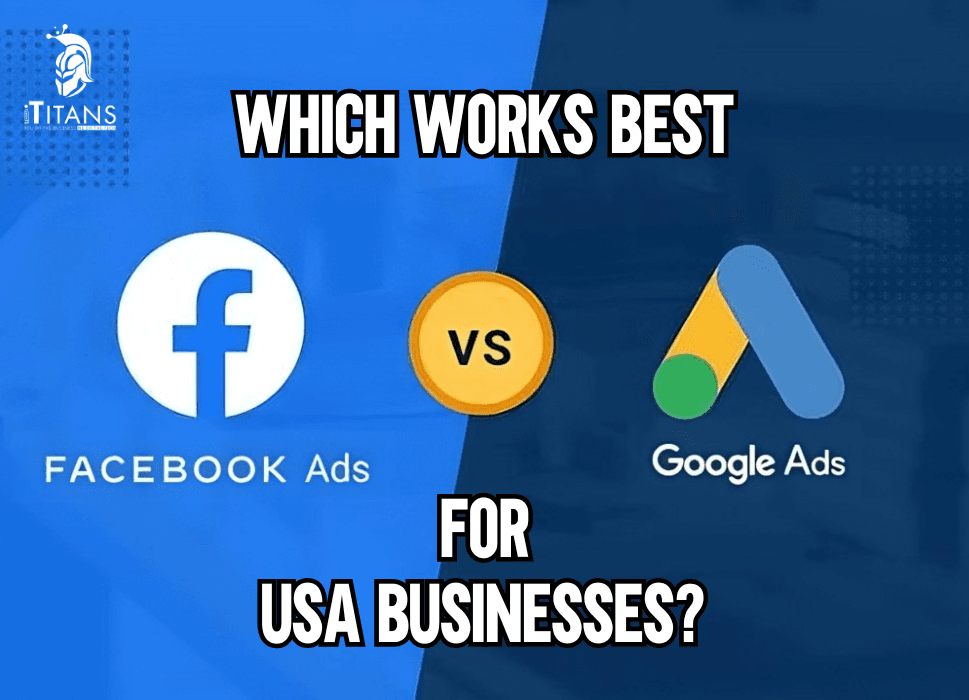
In the battle for digital dominance, US businesses face a critical crossroads: Do you chase customers where they’re casually scrolling—or intercept them when they’re actively searching? Social Media Advertising and Google Ads dominate the marketing arena, but their strengths clash like titans. Picture this: Facebook and Instagram ads dazzle users with hyper-targeted visuals as they binge reels, while Google Ads swoops in with laser precision to capture high-intent buyers typing ‘buy now’ into search bars.
The stakes? Nothing less than your ROI, brand visibility, and market share. With 74% of consumers discovering products via social media yet 68% of purchases starting with a search engine query, the dilemma is real. Are you targeting Gen Z trendsetters glued to TikTok, or busy professionals Googling solutions during their 9-to-5 grind? Does your e-commerce startup thrive on impulsive ‘Add to Cart’ moments, or does your B2B SaaS platform need decision-makers ready to convert?
In this no-holds-barred comparison, we dissect Social Media Advertising vs. Google Ads for US businesses—breaking down costs, audience intent, and campaign agility. Plus, discover how iTitans’ data-driven strategies can turn this ‘either/or’ debate into a ‘win-win’ powerhouse. Buckle up—your next click could redefine your revenue trajectory.
Understanding Social Media Advertising
Social media advertising involves paid promotions on platforms like Facebook, Instagram, LinkedIn, TikTok, and Twitter (X). These platforms allow businesses to target specific demographics based on user behavior, interests, and location.
Key Benefits of Social Media Advertising
- Advanced Targeting: Platforms like Facebook and Instagram allow advertisers to target users based on age, gender, interests, and even past interactions with similar brands.
- Visual Appeal: Ads on social media are highly engaging, featuring videos, carousels, and interactive content.
- Brand Awareness: Social media is excellent for increasing brand recognition and engagement.
- Cost-Effective: Compared to Google Ads, social media advertising can offer lower cost-per-click (CPC) and better ROI for some businesses.
- Retargeting Capabilities: Businesses can re-engage users who have interacted with their brand before, increasing conversion rates.

Best Use Cases for Social Media Advertising
- E-commerce Businesses: Selling products directly through social platforms like Instagram Shopping.
- Brand Awareness Campaigns: Creating viral content that increases audience engagement.
- Event Promotions: Driving attendance for live or virtual events.
- Lead Generation: Using lead forms on Facebook and LinkedIn to capture customer information.
Understanding Google Ads
Google Ads, also known as Google Pay-Per-Click (PPC) Advertising, is an online advertising platform where businesses pay to appear in Google search results, YouTube, and Google’s vast display network.
Key Benefits of Google Ads
- High Intent Traffic: Google Ads capture users actively searching for a product or service, making them more likely to convert.
- Search and Display Options: Businesses can choose between search ads (text-based) and display ads (image-based) to reach potential customers.
- Scalability: Google Ads can be adjusted based on budget and campaign performance.
- Better Control Over Ad Spend: Advertisers set bids based on keywords, controlling how much they pay per click.
- Performance Tracking: Google Ads provides detailed analytics, allowing businesses to measure conversions, impressions, and ROI.
Best Use Cases for Google Ads
- Local Businesses: Appearing in Google Search results for queries like “best restaurant near me.”
- High-Intent Sales: Capturing customers searching for specific products or services.
- B2B Companies: Using Google Ads for lead generation and professional service promotions.
- E-commerce Stores: Running Google Shopping campaigns to showcase products.
Social Media Advertising vs. Google Ads: Key Differences
| Feature | Social Media Advertising | Google Ads |
|---|---|---|
| Audience Targeting | Interest-based, behavioral targeting | Keyword-based, intent-driven targeting |
| Best for | Brand awareness, engagement, lead generation | Direct sales, high-intent leads, website traffic |
| Ad Format | Videos, images, carousels, stories, interactive content | Search ads, display ads, video ads, shopping ads |
| Cost Structure | CPC, CPM, CPA | CPC, CPM, CPA |
| Conversion Intent | Lower intent (users see ads while browsing) | Higher intent (users search for solutions actively) |
| Ad Placement | Facebook, Instagram, LinkedIn, TikTok, Twitter (X), YouTube | Google Search, YouTube, Google Display Network |
| Best for Small Businesses? | Yes, especially for engagement and brand-building | Yes, for local businesses and high-intent searches |
Which Works Best for US Businesses?
When to Choose Social Media Advertising
- If your goal is brand awareness and customer engagement.
- If you want affordable advertising with low CPC and high engagement.
- If you sell lifestyle products, fashion, or consumer goods that benefit from visual advertising.
- If you want to target younger audiences who actively use Instagram, TikTok, and Snapchat.
When to Choose Google Ads
- If your goal is direct sales and high-intent conversions.
- If you need to appear at the top of Google Search for relevant keywords.
- If you’re in professional services, B2B marketing, or local business marketing.
- If you want to increase website traffic quickly with scalable campaigns.
Why a Combined Approach Works Best
Instead of choosing one platform over the other, the best strategy is often a combination of both. Here’s why:
Google Ads Drive Immediate Sales, While Social Media Builds Brand Loyalty
Google captures people actively searching for your product, while social media keeps your brand in front of them over time.
Retargeting Works Best When You Use Both
Social media can retarget users who clicked on your Google Ad but didn’t convert.
Cross-Platform Marketing Maximizes Reach
Some users may see your brand on Google first and then interact with your social media ads later.
By integrating Google Ads with Social Media Advertising, businesses can optimize conversions and engagement simultaneously.

How iTitans Can Help Your Business with Advertising
At iTitans, we specialize in helping US businesses navigate the complexities of digital advertising. Whether you need Google Ads management or Social Media Advertising, we offer tailored solutions to help you achieve your marketing goals.
Our Services Include:
- Google Ads Management: Keyword research, campaign setup, and optimization.
- Facebook & Instagram Advertising: Creative ad design, audience targeting, and performance tracking.
- LinkedIn & TikTok Ads: B2B lead generation and engaging video ads.
- Retargeting & Remarketing: Bringing back lost visitors to increase conversions.
- Conversion Rate Optimization (CRO): Ensuring your ads generate measurable ROI.
Why Choose iTitans?
- Data-Driven Approach: We analyze performance metrics to maximize your ad budget.
- Custom Strategies: Every business is different, so we create advertising plans tailored to your goals.
- Experienced Team: Our experts stay updated on the latest trends and ad platform updates.
- Transparent Reporting: You’ll always know how your ads are performing with detailed reports.
If you’re ready to take your digital marketing to the next level, iTitans is here to help. Contact us today to start optimizing your Social Media Advertising and Google Ads campaigns!
FAQs
Which platform is most famous for social media marketing?
In the USA, Facebook and Instagram stand as the top brands of social media marketing with a broad reach at audience.
What is the success rate of social media ads?
Social media ads can earn you lucrative returns as more than 94% of social media users engage with the platform on monthly basis.
How many ads are published on social media?
Everyday, over 4000 to 10,000 ads are published and seen on social media, which gives businesses a chance to earn better engagement and returns on their investment.
Final Thoughts
Both Social Media Advertising and Google Ads are essential tools for US businesses. While Google Ads excels in high-intent search traffic, social media is unbeatable for engagement and brand awareness. The best approach is to leverage both platforms to maximize conversions, reach, and long-term customer loyalty.
If you’re unsure where to start, let iTitans guide you. We’ll create a custom strategy to ensure you get the best results from your digital advertising efforts. Reach out to iTitans today and take your business to new heights!Social Media Advertising VS Google Ads | Which Works Best for US Businesses?